The Definition Most People Get Wrong
Ask most people what a budget is, and they'll describe something restrictive - a list of things you're not allowed to buy, a spreadsheet that makes you feel guilty, or a financial diet that requires suffering. That framing is wrong, and it's the reason so many people avoid budgeting entirely.
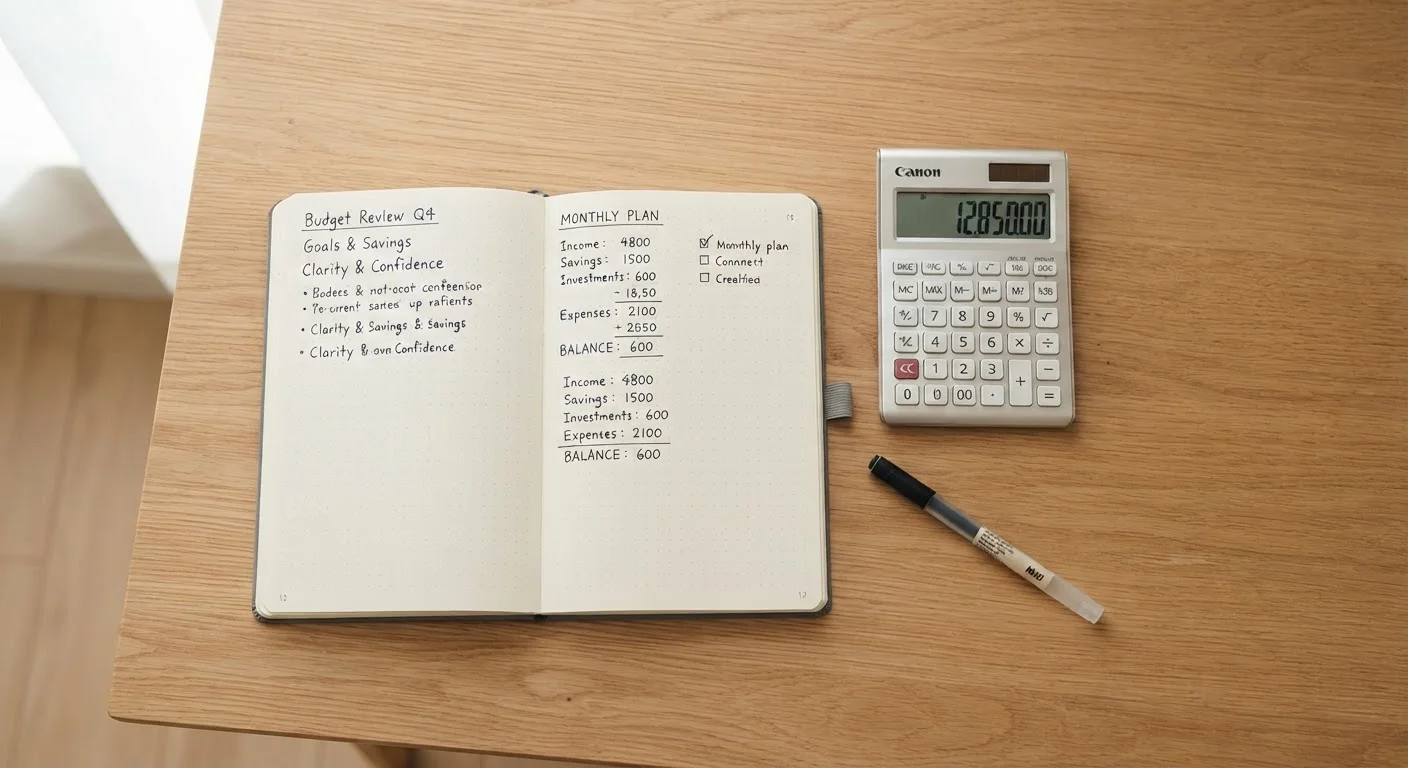
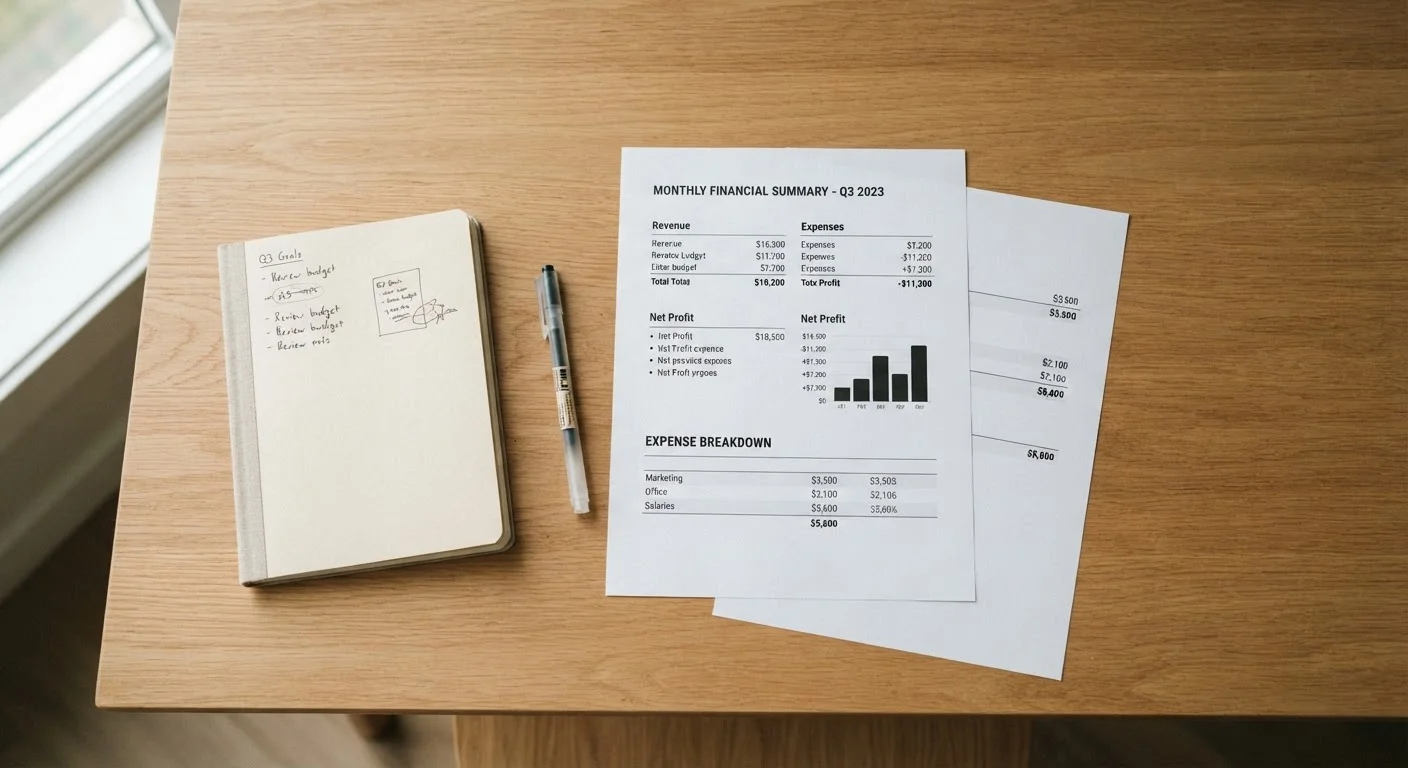
A budget is simply a plan for your money. It decides, in advance, how much of your income goes toward different categories of spending - rent, groceries, transportation, savings, and yes, things you enjoy. It doesn't eliminate choices. It organizes them.
The confusion comes from how budgets are often discussed - as tools for cutting back, clawing out of debt, or fixing bad habits. While a budget can help with all of those, that's not what it fundamentally is. At its core, a budget is neutral. It's a framework. What you do with that framework is entirely up to you.
Budgets Work With Any Income Level
There's a common misconception that budgets are only relevant when money is tight. In practice, people at every income level benefit from the visibility a budget provides. The structure matters more than the dollar amounts involved.
What a Budget Actually Contains
A personal budget has two sides: money in and money out.
- Income - The money you receive, typically from work, but also from freelance projects, side income, government benefits, or any other regular source. Budgeting works with take-home pay (after taxes), not gross salary.
- Expenses - Everything you spend money on. These are usually divided into fixed expenses (rent, loan payments - amounts that don't change month to month) and variable expenses (groceries, gas, dining - amounts that fluctuate).
The relationship between these two sides is what a budget reveals. If your expenses consistently exceed your income, that's important information. If you have money left over each month but can't figure out where it goes, a budget answers that question.
For a plain-language breakdown of the terms used in everyday budgeting, see Key Budgeting Terms Every Beginner Should Know.
~33%
Americans with a detailed household budget
Gallup polling has consistently found that fewer than one in three Americans maintain a detailed household budget, despite widespread awareness of the concept.
$1,000
Emergency savings many Americans lack
Bankrate surveys have found that a significant share of U.S. adults could not cover a $1,000 unexpected expense from savings - a gap budgeting is often designed to close over time.
What a Budget Is Not
Understanding what a budget isn't is just as important as knowing what it is.
It's not a punishment. A budget doesn't exist to shame you for past spending. It's a forward-looking tool - it starts fresh from wherever you are right now.
It's not permanent or rigid. Life changes. Income shifts. Expenses appear unexpectedly. A budget that worked in January may need to look different in July. A good budget adapts to your actual life, not an idealized version of it. The habit side of budgeting matters precisely because consistency - not perfection - is what makes a budget effective over time.
It's not only for people struggling financially. High earners benefit from budgets too. Without a plan, income at any level can disappear into spending that doesn't reflect your actual priorities.
It's not a financial plan. A budget is one component of a broader financial picture. A financial plan also addresses long-term goals, investments, insurance, and retirement - a budget alone doesn't cover all of that.
Start With One Month of Real Numbers
Before building any budget, spend a few minutes pulling up your last month of bank or credit card statements. Categorize what you actually spent - not what you think you spent. This baseline makes your first real budget far more accurate and easier to stick with.
Why the Right Definition Matters
When people think of a budget as a restriction, they resist making one. When they understand it as a plan - one they control, one that can include spending on things they value - they're far more likely to start and stick with it.
The most effective budget is one that reflects your real life: your actual income, your genuine fixed obligations, and your honest priorities. It doesn't have to look like anyone else's budget. It just has to account for your money before it's spent rather than after.
If you've never created a budget before, Your First Budget: A Plain-English Starting Point walks through the process from scratch - no prior financial knowledge required. And if hesitation is holding you back, common budget myths may be worth examining first.
This article is for general informational purposes only and does not constitute personalized financial advice. Consider speaking with a qualified financial professional regarding your specific circumstances.