How the Envelope System Works
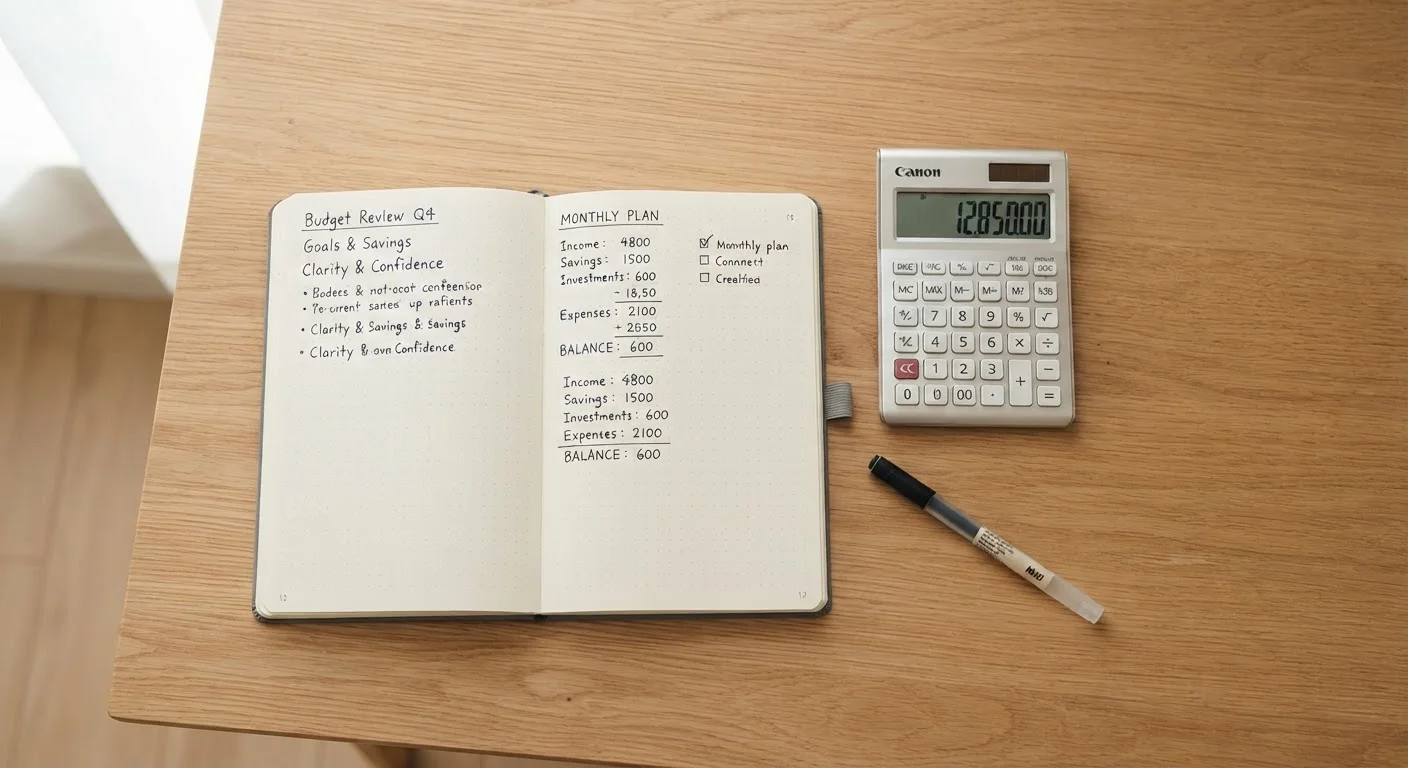
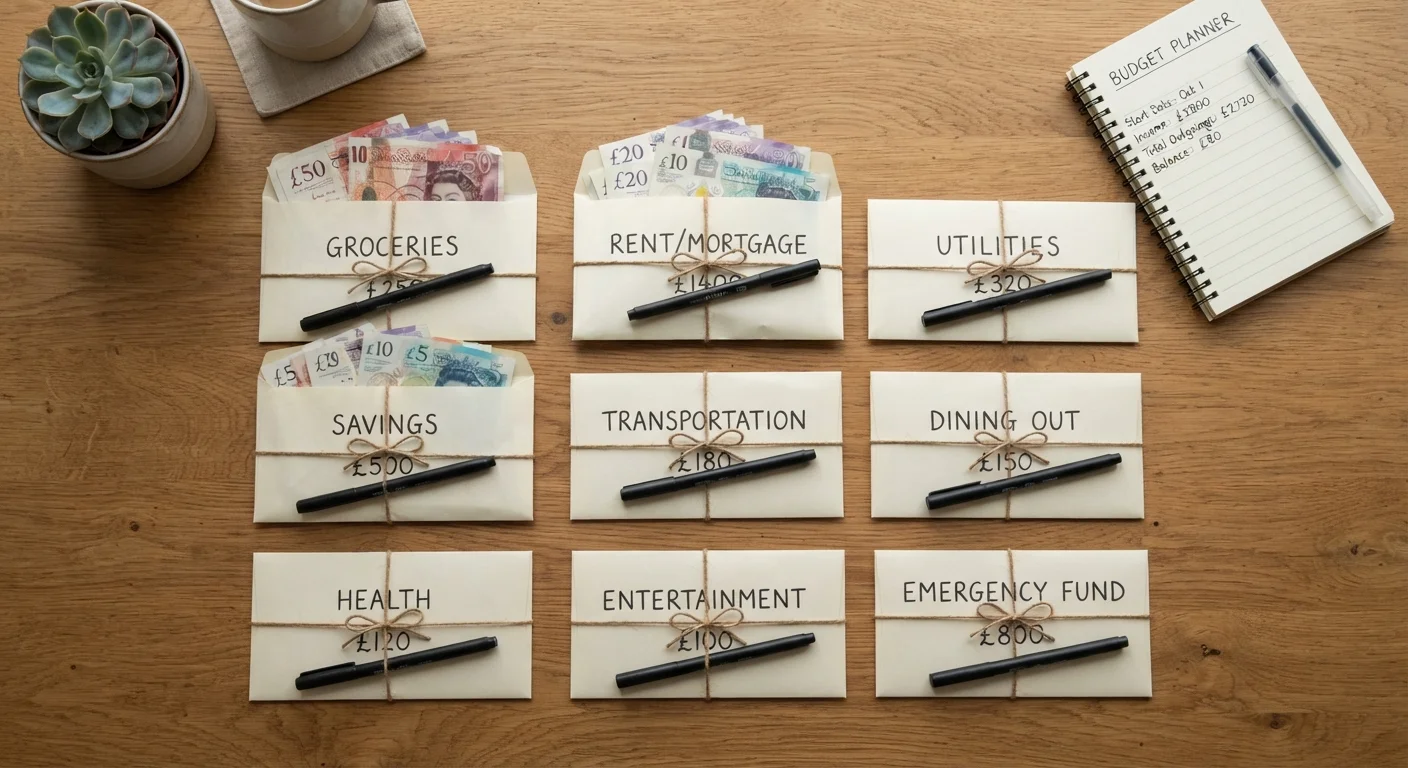
The mechanics of envelope budgeting are straightforward. At the start of each month, you review your expected take-home income and decide how much to allocate to each spending category. You then either place that amount of physical cash in a labeled envelope or create a digital equivalent - a budget line with a set cap.
Throughout the month, you spend only from the designated envelope for each category. Buy groceries? Pay from the grocery envelope. Fill the gas tank? Pull from the transportation envelope. The balance in each envelope updates in real time, giving you an immediate picture of how much remains in every category.
This real-time visibility is what separates envelope budgeting from looser approaches. Rather than reviewing spending at the end of the month and reacting to surprises, you see the constraint before making a purchase decision. Before you spend, you know whether the money is there.
Start With Your Problem Categories
Rather than building envelopes for every possible expense, identify the two or three categories where you consistently overspend. Focusing your early effort there gives you faster, more visible results and makes the system easier to maintain. You can expand to more categories once the habit feels natural.
For a grounding in the terms used throughout this method, the budgeting glossary for beginners covers concepts like discretionary spending and net income.
Why the Hard Limit Is the Point
The defining feature of envelope budgeting - and the source of most pushback against it - is that the envelope limit is meant to be final. When the dining-out envelope is empty on the 22nd of the month, the system says: no more dining out until the 1st.
That constraint is not a bug. Research in behavioral economics consistently finds that people spend more when paying with credit or debit cards than with cash, in part because digital transactions feel abstract. Physical cash - or a clearly depleting digital balance - creates a more visceral awareness of money leaving your hands.
~$1,000
Average American monthly discretionary spending
According to U.S. Bureau of Labor Statistics Consumer Expenditure data, a significant portion of household spending falls into variable categories most amenable to envelope-style controls.
18%
More spent with card vs. cash in studies
Multiple behavioral economics studies, including work published in the Journal of Consumer Research, have found that consumers tend to spend more when paying with cards compared to cash.
The discipline required by envelope budgeting is also why it pairs well with habit-building strategies. The system creates a feedback loop: you set limits, you encounter them, and over time those encounters reshape how you think about spending before it happens.
Physical Cash vs. Digital Envelopes
Both formats follow identical logic, but each has trade-offs. Physical cash envelopes are tactile and unmistakably concrete - there's no ambiguity about how much is left. They also eliminate the possibility of overdrafts in envelope categories, since you literally cannot spend money that isn't there.
The drawbacks of physical cash include security concerns, the inconvenience of withdrawing and sorting bills each month, and the growing reality that many transactions - online purchases, automatic payments - don't work with cash at all.
Digital envelope systems, replicated through budgeting apps or spreadsheets, solve those friction points while preserving the category-cap structure. The trade-off is that digital envelopes require more self-discipline to honor; it's easier to mentally override a number on a screen than an empty envelope in your hands. If you're weighing which format fits your life, comparing paper budgeting, spreadsheets, and apps offers a practical breakdown of each tool's strengths.
Setting Up Your Envelopes for the First Time
A common mistake when starting envelope budgeting is creating too many categories. Start with the five to eight areas where your spending is most variable and hardest to control - typically groceries, dining out, transportation, personal care, entertainment, and clothing. Fixed obligations like rent, insurance premiums, and loan payments don't need an envelope in the traditional sense; they're predictable and often handled automatically.
For each category, look at two to three months of actual past spending to set a realistic cap. Envelope limits that are arbitrarily low will fail quickly - the goal is a meaningful constraint, not an impossible one. Once you've completed a month, use that data to adjust. A monthly budget reset checklist can help you review results and recalibrate envelope amounts before the next month begins.
This article is for general informational and educational purposes only and does not constitute personalized financial advice. Consult a licensed financial professional for guidance specific to your situation.