How Each Method Actually Works
Understanding the mechanics of each approach is the first step to choosing the one that fits your life.
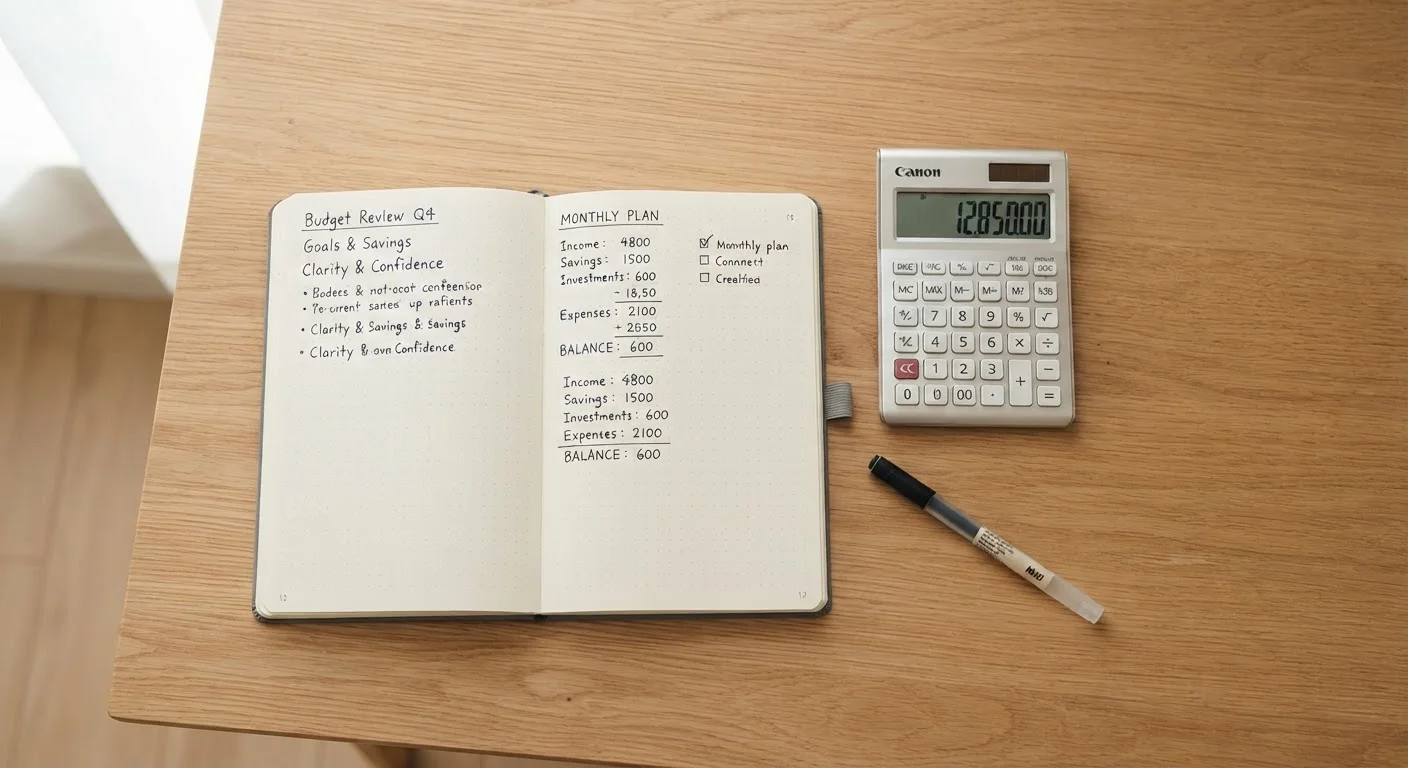
Zero-based budgeting (ZBB) starts with your expected take-home income for the month and assigns every single dollar to a category - groceries, rent, utilities, savings, entertainment, and so on - until the balance reaches zero. That doesn't mean you spend everything; money assigned to savings or an emergency fund still counts as "spent" in budgeting terms. You're simply giving each dollar a job before the month begins. If your income changes next month, you rebuild the budget from scratch.
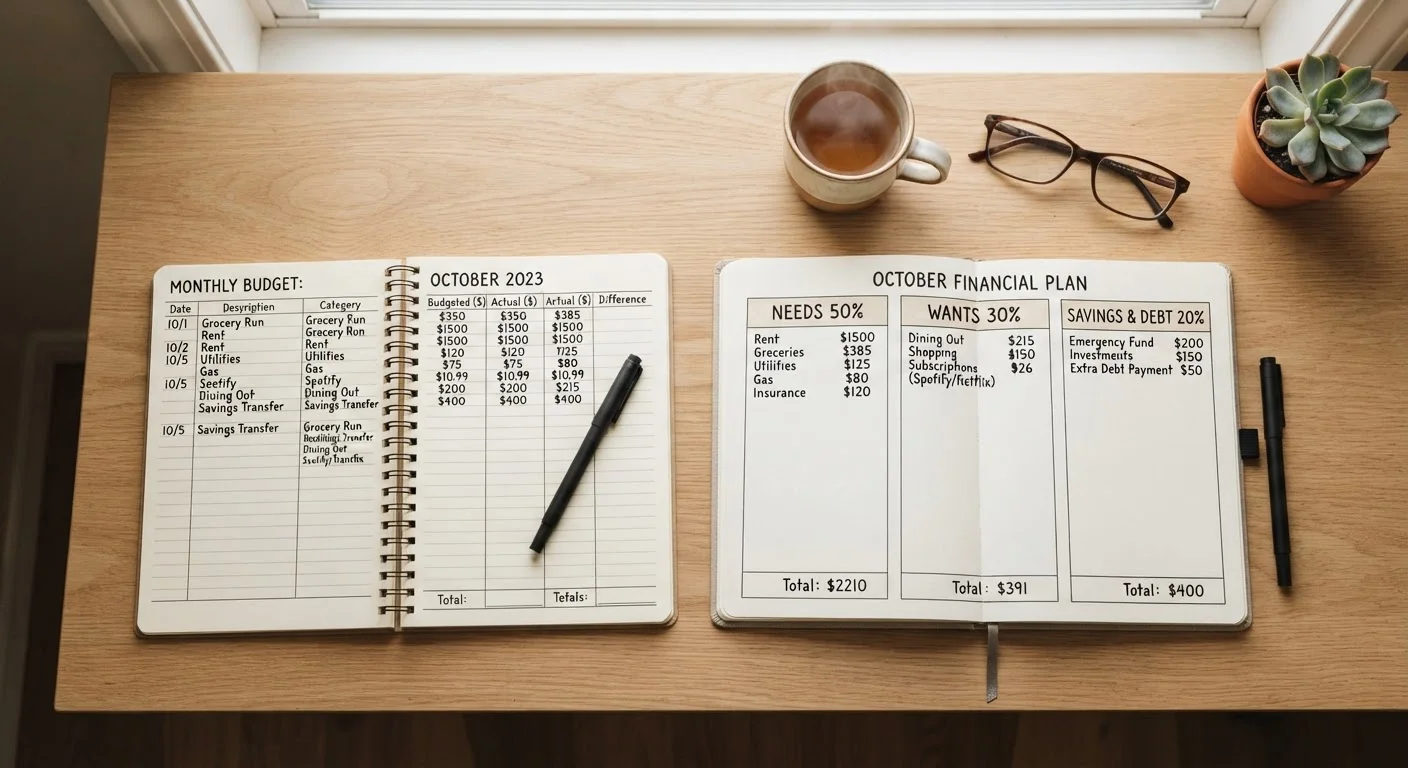
The 50/30/20 method works differently. It divides your after-tax income into three percentage-based buckets: roughly 50% toward needs (rent, groceries, insurance, minimum debt payments), 30% toward wants (dining out, subscriptions, hobbies), and 20% toward savings and extra debt repayment. You don't track individual line items - you track which category a purchase falls into. For a deeper look at how those three buckets are defined, see The 50/30/20 Rule Explained.
The core difference is granularity. ZBB demands that you account for every dollar in specific categories. The 50/30/20 method gives you wide lanes and lets you decide how to drive within them.
| Criterion | Zero-Based Budgeting | 50/30/20 Method |
|---|---|---|
| Core concept | Every dollar gets a specific job | Income split into three broad categories |
| Setup time | High - detailed monthly planning required | Low - simple percentages to calculate |
| Ongoing effort | High - must track each purchase by category | Moderate - track which bucket spending falls into |
| Best income type | Variable or irregular income | Steady, predictable paycheck |
| Spending visibility | Very detailed - line-item clarity | Broad - category-level awareness only |
| Flexibility | Rebuild budget each month as needed | Percentages adjust automatically with income |
| Beginner-friendliness | Steeper learning curve | Easy to understand and start immediately |
| Risk of overspending | Lower - every dollar pre-assigned | Moderate - wide lanes allow drift within categories |
Trade-Offs Worth Knowing Before You Choose
Both methods have genuine strengths - and real limitations that are worth naming honestly.
Zero-based budgeting gives you precise visibility into your spending habits. Many people who try it discover, often with some surprise, exactly how much they're spending on things they don't particularly value. That clarity is genuinely powerful. The downside is time: building a detailed monthly budget, tracking every purchase against its category, and reconciling at month's end takes real effort. If that friction discourages you from budgeting at all, it defeats the purpose.
The 50/30/20 method's simplicity is its biggest selling point. There's almost no setup time, and it scales with income changes automatically - earn more, each bucket simply grows. But that simplicity can also obscure problems. If your "needs" genuinely consume 65% of your income, the framework doesn't adapt well; it just tells you that you're over budget without offering granular guidance on where to cut. Common budget myths like "budgeting is only for people in debt" often keep people from trying either approach at all.
~33%
Americans with a detailed monthly budget
Gallup polling has consistently found that fewer than one-third of U.S. households maintain a detailed, written monthly budget.
78%
Workers living paycheck to paycheck
Various workforce surveys have found that a large majority of American workers report little financial cushion between paychecks, underscoring the importance of any structured budgeting method.
Neither method replaces the behavioral side of money management. As explored in The Habit Side of Budgeting, consistent small habits tend to matter more than which system you choose. And regardless of method, how you track your budget - paper, spreadsheet, or app - is a separate decision worth considering. See Paper Budgeting vs. Spreadsheets vs. Budgeting Apps for a comparison of tools.
This article is for general informational and educational purposes only and does not constitute personalized financial advice. Consider consulting a licensed financial professional for guidance tailored to your specific situation.