What an Emergency Fund Is Actually For
An emergency fund has one job: to keep an unexpected financial shock from derailing everything else you've built. It's the buffer between a bad week and a financial crisis. Without one, a sudden car breakdown or a gap in employment forces most people to reach for a credit card or loan - both of which add long-term cost to an already difficult moment.
It's important to be clear about what qualifies as an emergency. A true emergency is unplanned, unavoidable, and urgent - a burst pipe, a medical co-pay, or a job layoff. It is not a sale you don't want to miss or a vacation that came up last minute. For expenses you know are eventually coming, a sinking fund is a better tool.
Maintaining this distinction keeps your emergency fund intact and ready when you actually need it.
How Much Is Enough: The Three-to-Six Month Guideline
The most widely shared benchmark in personal finance is three to six months of essential living expenses - meaning the costs you absolutely cannot skip: rent or mortgage, utilities, groceries, transportation, insurance, and minimum debt payments. This is not your full monthly spending; it's a lean-but-sustainable baseline.
~4 in 10
Americans who couldn't cover a $400 emergency from savings
According to the Federal Reserve's Report on the Economic Well-Being of U.S. Households, a significant share of adults would struggle with an unexpected $400 expense.
3-6 months
Essential expenses recommended as an emergency fund target
This is the most commonly cited guideline from nonprofit financial educators and consumer financial protection resources in the U.S.
27%
Adults with no emergency savings at all
Bankrate's annual Emergency Savings Report has consistently found that roughly one in four American adults carries no emergency savings buffer.
Where you land within that range - or beyond it - depends on a few factors:
- Income stability: Salaried employees with steady paychecks can generally manage on the lower end. Freelancers, gig workers, and commission-based earners face more income volatility and are usually better served by a larger cushion.
- Household structure: A dual-income household has a natural buffer if one income is disrupted. Single-income households carry more risk and may want to aim higher.
- Job market conditions: If your industry or specialty has a longer average job search time, factor that into how many months you want covered.
- Dependents and health factors: Children, aging parents, or chronic health conditions can increase the likelihood and cost of unexpected events.
There's no universal right answer - the goal is a fund sized to your actual risk exposure, not someone else's.
Where to Keep Your Emergency Fund
The single most important quality of an emergency fund account is liquidity - you must be able to access the money quickly, without a penalty, when something goes wrong. That makes certain account types clearly unsuitable: retirement accounts carry early withdrawal penalties and tax consequences; brokerage accounts expose your money to market swings; certificates of deposit (CDs) often lock your money for a set term.
Keep Your Emergency Fund Separate
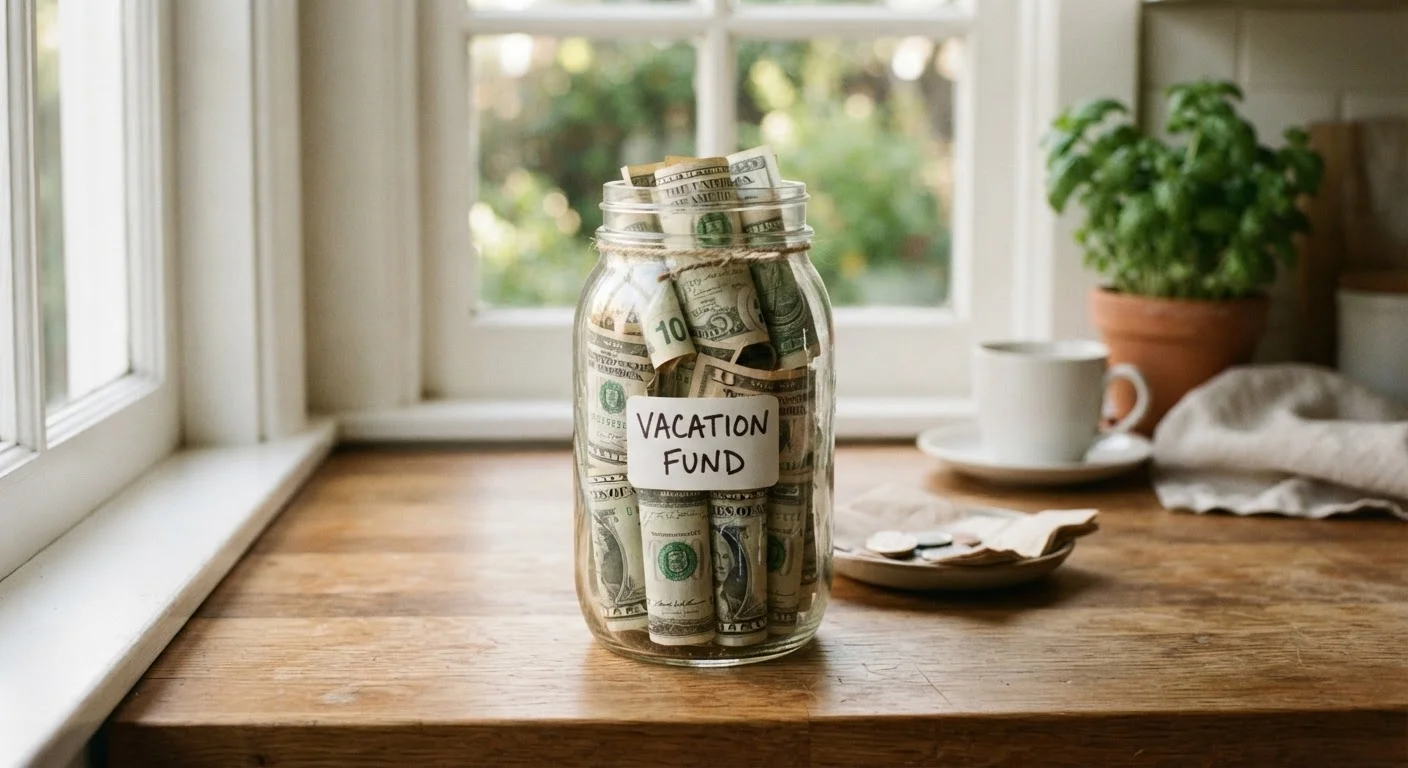
Storing your emergency fund in the same account as your everyday spending makes it too easy to spend inadvertently. Consider opening a dedicated savings account - ideally at a different bank - so the money stays psychologically and practically distinct from your regular finances.
Common accounts people use for emergency funds include:
- High-yield savings accounts: Offered by many online banks, these typically earn more interest than a traditional savings account while keeping funds fully accessible.
- Money market accounts: Similar to savings accounts in accessibility, often with check-writing privileges and competitive rates.
- Traditional savings accounts: Lower rates, but familiar and convenient, especially if held at your primary bank for easy transfer.
Keeping the fund at a different institution from your checking account adds a small layer of friction - which can be useful in resisting the temptation to dip into it for non-emergencies.
This is general information about account types, not a recommendation for any specific institution or product. Rates and terms vary, so reviewing federally insured options is a sensible starting point.
How to Build One When You're Starting From Zero
If saving three to six months of expenses feels out of reach right now, the most productive move is to start smaller and stay consistent. A widely used approach is to set an initial target of $500 to $1,000 - enough to handle a common emergency without resorting to debt - and then build from there.
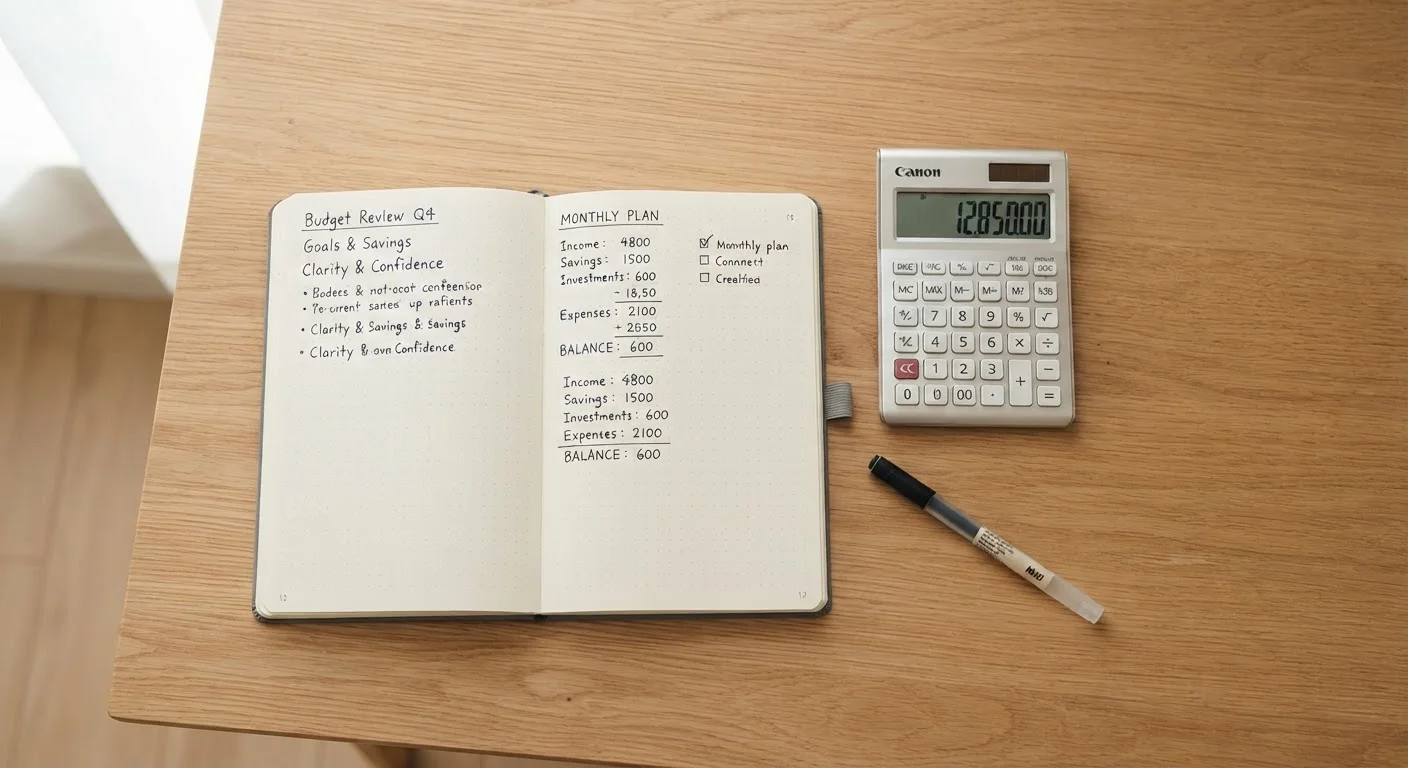
Automating a fixed transfer to your emergency fund each payday removes the temptation to spend that money elsewhere. Even $25 or $50 per paycheck accumulates meaningfully over time. Budgeting basics can help you identify where that money might come from in your current spending.
If you're also carrying high-interest debt, the decision of where extra money should go first isn't always obvious. That tradeoff is worth thinking through carefully - see Emergency Fund or Debt Payoff: Where Should Extra Money Go First? for a structured way to approach it.
An emergency fund is one of the foundational pieces of a sound financial plan. If you're building yours from the ground up, Financial Planning From Zero offers a grounded framework for setting priorities and making progress.
This article provides general financial education and is not personalized financial advice. For guidance specific to your situation, consider consulting a licensed financial professional.