Why Credit Card Myths Persist
Credit cards sit at the intersection of everyday spending and long-term financial health, which makes them fertile ground for misconceptions. Some myths originate from outdated advice; others spread because they contain a grain of truth that gets distorted over time. Either way, acting on bad information can mean paying hundreds - sometimes thousands - of dollars in unnecessary interest.
These myths also do real harm when they influence how people think about debt and savings. If you believe carrying a balance signals financial responsibility, you may never question the cost. The myth-busting pairs below address the most widely repeated misunderstandings, grounded in how credit scoring and card interest actually work. For context on how debt fits into broader financial decisions, see our guide on good debt vs. bad debt.
Myth
Carrying a small balance from month to month helps build your credit score.
Fact
Carrying a balance has no positive effect on your credit score - it only generates interest charges.
This is perhaps the most costly credit myth in circulation. Credit scores - including FICO scores - do not reward cardholders for carrying a balance. What scoring models measure is whether you use credit and pay on time, not whether you leave unpaid balances accruing interest. Paying your statement balance in full each month still results in card activity being reported to the bureaus. You get the scoring benefit without the interest cost. This myth may have originated from a misunderstanding of credit utilization, but utilization refers to how much of your available credit limit you're using at any given time - not whether you pay in full.
Myth
Making the minimum payment is a responsible way to manage credit card debt long-term.
Fact
Minimum payments keep your account in good standing but allow interest to compound, often dramatically extending repayment time.
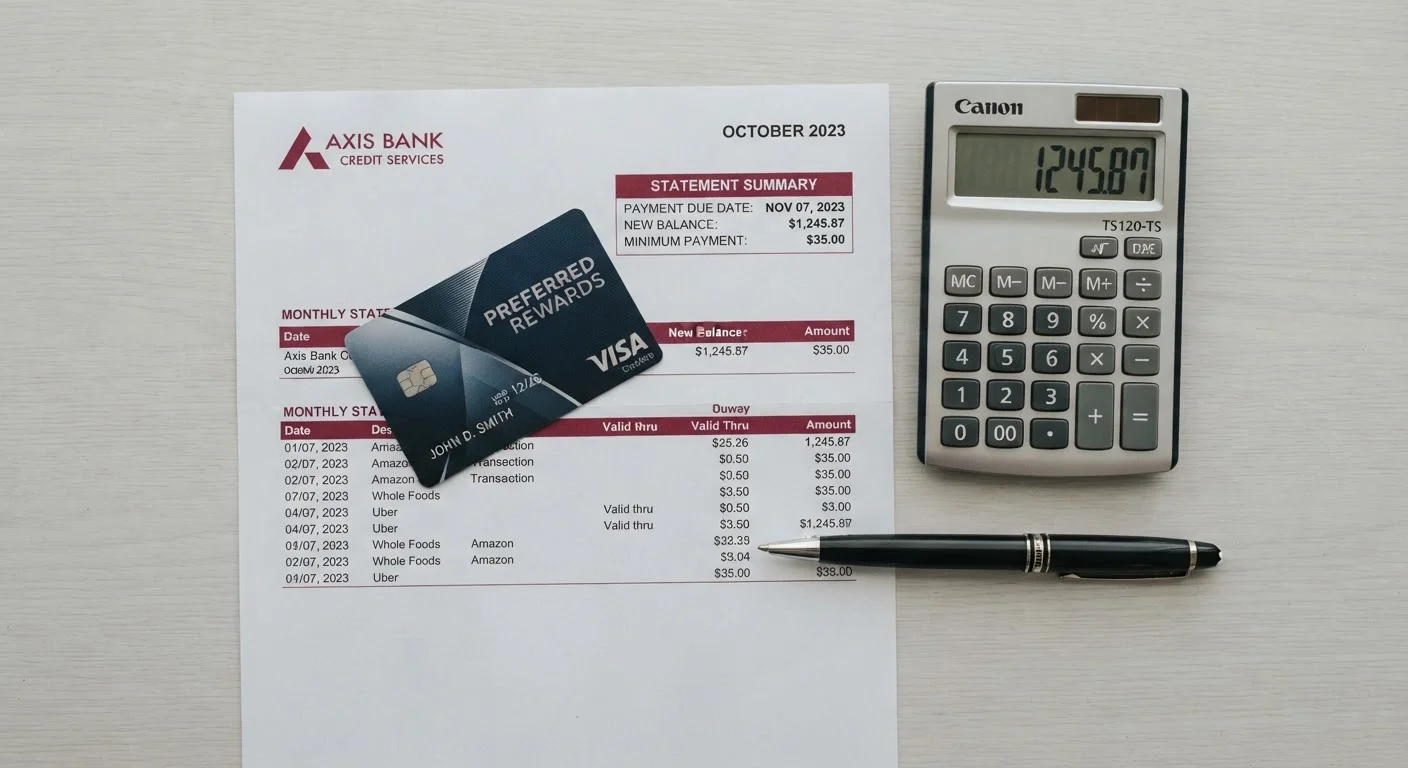
Credit card issuers are required to disclose on statements how long it will take to pay off a balance making only minimum payments. For a modest balance at a typical card interest rate, that timeframe can stretch to years and result in total interest paid that rivals the original purchase price. Minimum payments are a floor, not a strategy. They prevent late fees and protect your payment history - the most heavily weighted factor in credit scoring - but they are not a path to reducing debt efficiently. Whenever possible, paying more than the minimum accelerates payoff and reduces total interest.
Myth
All credit card debt is equally harmful to your finances.
Fact
The impact of credit card debt varies considerably based on the interest rate, balance size, and how long the debt is carried.
A balance on a promotional 0% APR card for 12 months costs nothing in interest during the promotional period. A balance on a card with a high variable APR compounds quickly. Context matters. Credit utilization - the ratio of your current balances to your total credit limits across all cards - affects your credit score regardless of interest rate, so carrying high balances is still worth avoiding. But conflating all card debt as equally destructive ignores meaningful differences that affect both the cost of the debt and the best strategy for addressing it. Myths about credit scores and mortgage approval explores how lenders look at card debt in context, not in isolation.
Myth
Closing old credit cards you don't use will improve your credit score.
Fact
Closing old accounts typically reduces your available credit and can increase your utilization ratio, which may lower your score.
Credit scoring models consider the length of your credit history and your overall credit utilization. Closing an older card shortens your average account age - a factor in scoring - and removes a portion of your available credit limit, which can push your utilization ratio higher if you're carrying balances elsewhere. There may be valid reasons to close a card (high annual fee, security concerns), but doing so to tidy up your credit profile often produces the opposite of the intended effect. If a card has no annual fee and no security concerns, keeping it open and occasionally using it for a small purchase may be a sounder approach.
Myth
You need to carry a balance to show lenders you use credit responsibly.
Fact
Regular card use with on-time, full payments demonstrates responsible credit behavior more effectively than carrying a balance.
Lenders reviewing your credit file want to see that you borrow and repay reliably - not that you're paying interest. A consistent history of on-time payments, low utilization, and long-standing accounts signals creditworthiness. Carrying a balance adds interest cost without adding any signal lenders actually reward. This myth may stem from confusing using credit with owing credit. The two are different: spending on a card and paying it off each cycle demonstrates usage; leaving a balance simply means you're financing a purchase at the card's interest rate.
What This Means for Your Financial Decisions
Understanding the mechanics of credit card interest and credit scoring puts you in a stronger position to make intentional choices rather than reactive ones. Paying your statement balance in full each month is generally the most cost-effective approach for most cardholders - it avoids interest while still allowing your card activity to be reported to the credit bureaus, which supports your credit profile.
If you're already carrying a balance and feeling stuck, you're not alone. Options such as balance transfers or consolidation loans may help reduce the interest load, but they come with their own trade-offs. Our plain-language guide to debt consolidation walks through the mechanics without jargon. Similarly, if you've been putting off a budget because you assume it's only relevant to people in financial trouble, common budget myths worth revisiting may shift that perspective.
Minimum Payments Can Be Misleading
Your card statement is required by federal law to show how long payoff takes if you only make minimum payments. Review this disclosure carefully before choosing a payment strategy. A balance that looks manageable month-to-month can take years to eliminate at minimum payment levels, costing far more in total interest than the original purchase price.
This article is for general informational and educational purposes only. It does not constitute personalized financial, tax, or legal advice. Consult a licensed financial professional before making decisions based on your individual circumstances.