
Why Negotiating Power Slips Away Quietly
Most buyers enter the offer phase believing negotiation is simply about the price. In reality, leverage is shaped by dozens of small decisions made before and during that conversation - many of which buyers don't recognize as negotiating moves at all. A careless comment at an open house, an overeager response to a counteroffer, or a missing contingency can shift the dynamic entirely in the seller's favor.
Understanding how market conditions affect your position is a necessary first step. Whether you're navigating a seller's market or a buyer's market determines how much flexibility you realistically have - and what tactics are worth using at all. Buyers who ignore this context often miscalibrate their strategy from the start.
The mistakes below happen across price points and experience levels. Recognizing them before you make an offer is far more valuable than learning them afterward.
Revealing your maximum budget or emotional attachment to the property - directly or indirectly - before an offer is accepted.
Why it happens: Buyers often share details casually at showings, through their agent's communications, or in personal letters attached to offers, not realizing sellers and listing agents use this information strategically.
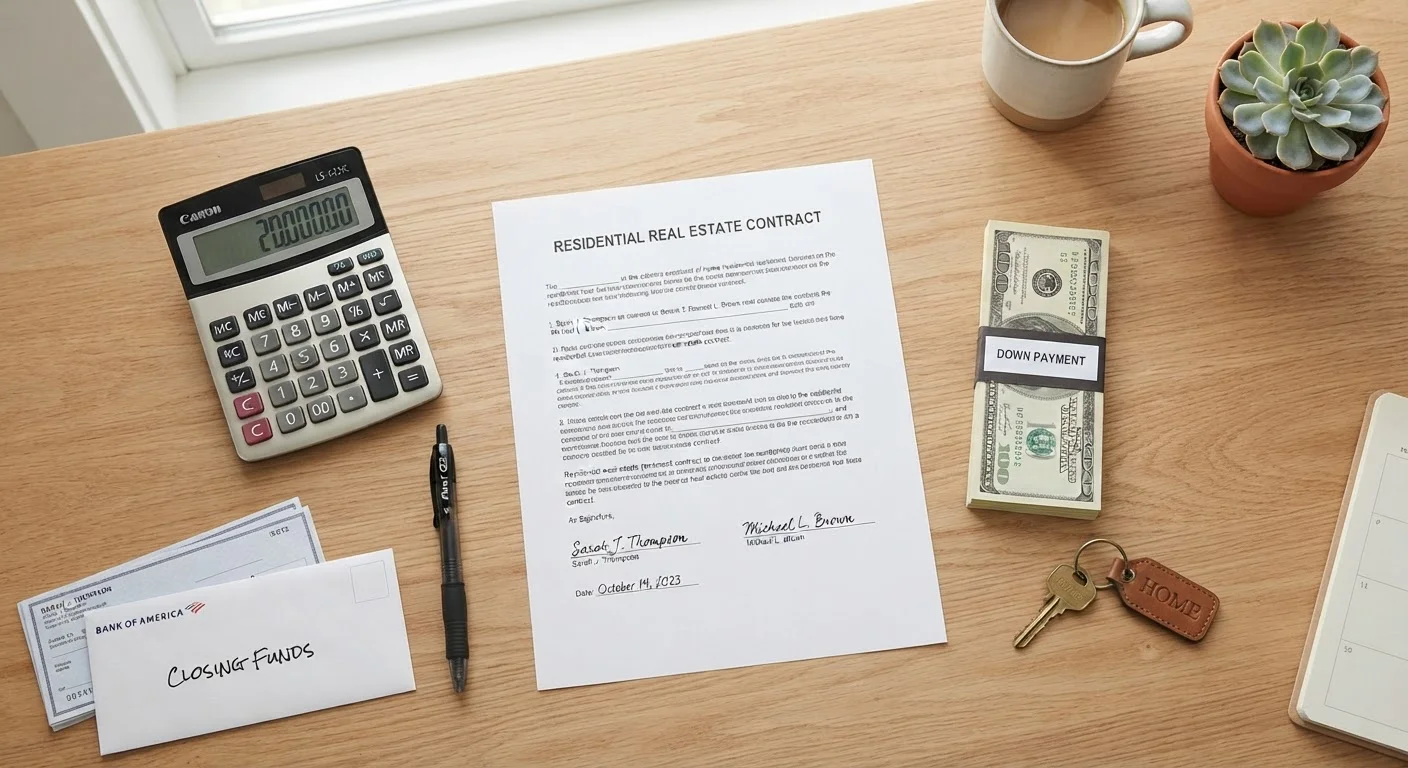
Waiving inspection or financing contingencies solely to make an offer look more attractive.
Why it happens: In competitive markets, buyers fear losing a home to a cleaner offer and assume removing contingencies signals seriousness. They may not fully understand what protections those clauses provide.
Responding to a counteroffer within minutes of receiving it.
Why it happens: Buyers interpret fast responses as professionalism, not recognizing that instant replies signal desperation and reduce their perceived willingness to walk away.
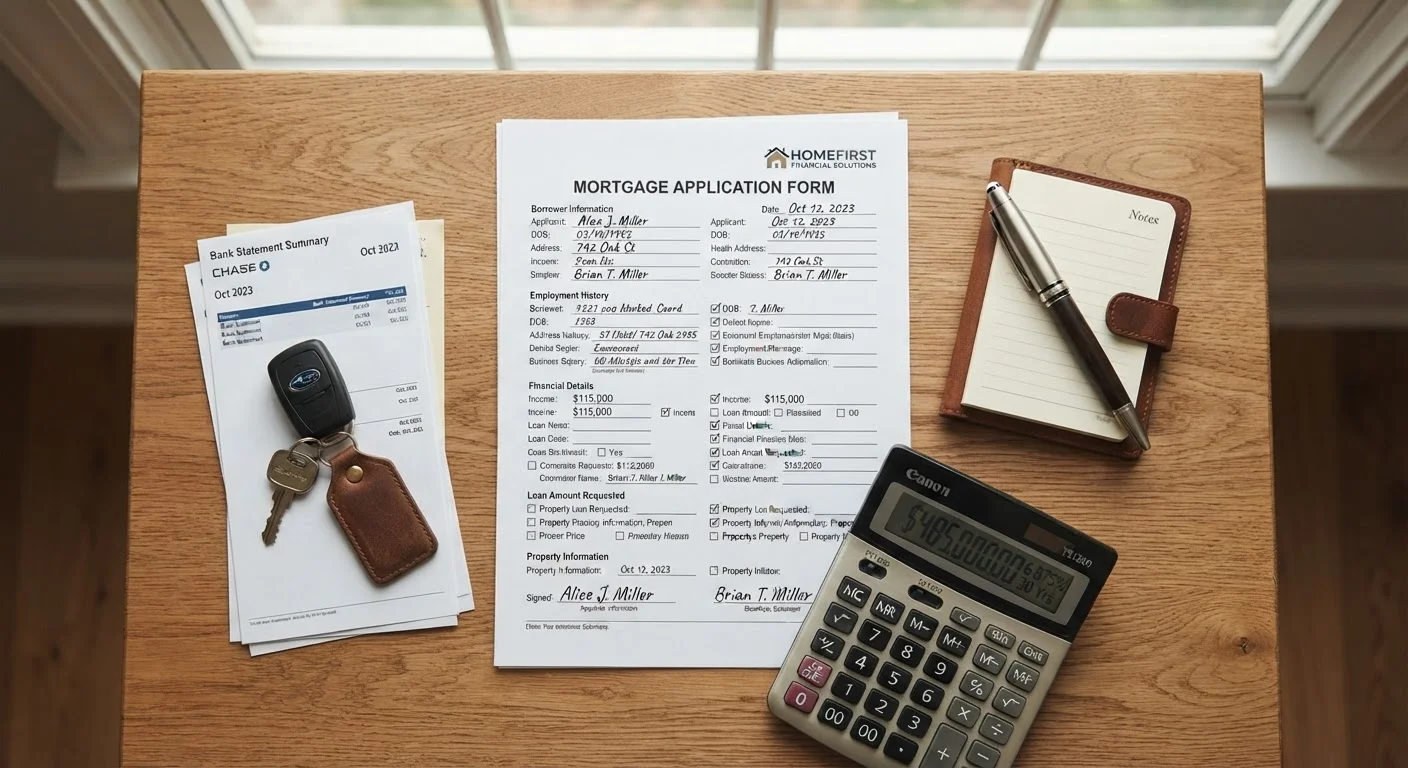
Sharing a full pre-approval letter that discloses your maximum loan amount rather than one tailored to the offer price.
Why it happens: Buyers often receive one pre-approval letter from their lender and submit it as-is, unaware that it reveals how much more they could spend.
Making a lowball offer without a grounded rationale, causing sellers to disengage entirely.
Why it happens: Buyers sometimes anchor on an arbitrary discount - or advice from non-professionals - without considering comparable sales data or current demand levels in that specific area.
How to Protect Your Position Through Closing
Avoiding these mistakes isn't about being adversarial - it's about staying informed and measured at every stage. Before submitting an offer, use a structured review process to evaluate what you know and what you still need to find out. A due-diligence checklist can help you identify gaps in your knowledge of the property's condition, title history, and true costs before you commit.
Work closely with a buyer's agent who understands local market dynamics and can advise on offer strategy without injecting urgency for its own sake. Keep your financial details appropriately private, respond to counteroffers with deliberate timing rather than instant reactions, and treat every written and verbal communication as part of the negotiation record.
Contingencies Protect You - Understand Before Waiving
Removing contingencies from an offer is not a neutral decision. Each one - inspection, financing, appraisal - exists because real transactions fail for those exact reasons. Before waiving any contingency, get a clear explanation from your agent of the specific financial or legal risk you are accepting. In some situations, the risk is manageable; in others, it could cost you your earnest money deposit or far more.
For renters considering a purchase, the habits that protect you in lease negotiations translate here too - reading carefully, asking questions, and not assuming terms are fixed. The same discipline that helps when negotiating lease terms with a landlord applies when you're at the purchase table.
~30%
Of buyers who waive inspection contingencies
Industry surveys have consistently found that a significant share of buyers in competitive markets waive inspection contingencies, often without fully understanding the financial exposure this creates.
1-3%
Typical negotiated price reduction from inspection findings
Real estate professionals commonly report that buyers who retain inspection contingencies frequently negotiate price credits or repairs worth one to three percent of the purchase price.
Ultimately, negotiating power in a home purchase isn't something you build in a single moment. It accumulates through preparation, and it erodes through avoidable missteps. The buyers who protect it best are the ones who treat the process as a series of deliberate decisions - not a race to the finish line.
This article is for general informational purposes only and does not constitute legal, financial, or real estate advice. Consult a licensed real estate professional for guidance specific to your situation and local market.