The First Step: Written Notice
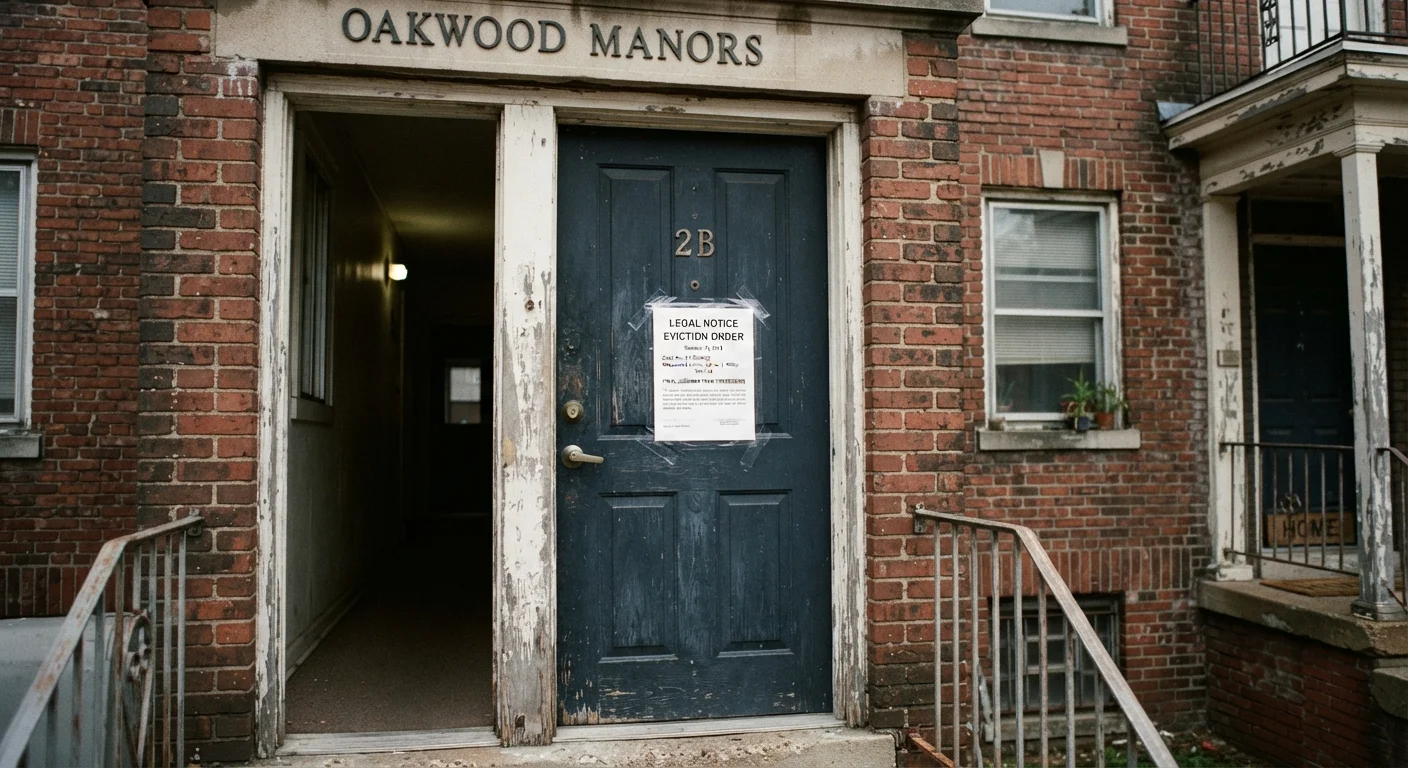
Every lawful eviction in the United States begins with written notice from the landlord - a formal document informing the tenant of the problem and what must happen next. The type of notice depends on the reason for eviction:
- Pay or Quit Notice: Issued when rent is overdue. The tenant typically has 3 to 5 days (varies by state) to pay the balance or vacate.
- Cure or Quit Notice: Used for lease violations other than nonpayment, such as having an unauthorized pet. The tenant is given time to fix the problem or leave.
- Unconditional Quit Notice: Demands the tenant leave with no opportunity to remedy the situation. Generally reserved for serious or repeated violations.
Landlords must follow precise delivery rules - posting the notice on the door, mailing it, or serving it in person, depending on state law. A notice that isn't properly served can derail the entire case. This is also a moment where tenants should document everything: photograph the notice, note the date received, and keep any written communications.
If you believe a notice was issued in error or in retaliation for exercising your rights, see our guide to common tenant legal misunderstandings for context on what protections may apply.
Filing in Court and What Happens at the Hearing
If a tenant doesn't comply with the notice - by paying, correcting the violation, or moving out - the landlord's next step is filing an eviction lawsuit, often called an unlawful detainer action, in the local court. The tenant is then served with a summons and a hearing date.
~3.6M
Eviction filings per year in the US
According to Princeton University's Eviction Lab, approximately 3.6 million eviction cases are filed annually in the United States.
77%
Eviction cases decided in landlord's favor
Research from the Eviction Lab indicates that landlords prevail in the large majority of eviction cases that reach a judgment, underscoring the importance of tenants showing up and presenting a defense.
Weeks to months
Typical eviction timeline from notice to removal
The full process - from initial notice to physical removal by law enforcement - can range from a few weeks to several months depending on state law and local court scheduling.
At the hearing, both sides present their case before a judge. The landlord must prove the legal grounds for eviction and demonstrate that proper notice was given. Tenants can raise defenses, submit evidence (such as payment receipts or records of repair requests), and challenge procedural errors.
Common tenant defenses include:
- Rent was already paid
- The landlord failed to maintain habitable conditions (an implied warranty of habitability defense)
- Notice requirements were not properly followed
- The eviction is retaliatory - filed because the tenant complained about conditions or reported a code violation
- The eviction is discriminatory under the Fair Housing Act
If the judge rules for the landlord, a writ of possession is issued. If the tenant wins, the case is dismissed and they have the right to remain.
Physical Removal: The Final Stage
A court ruling in the landlord's favor does not mean the landlord can immediately remove the tenant. The writ of possession must be handed to a local sheriff or marshal, who schedules the physical lockout. Tenants typically receive advance notice - often 24 to 72 hours - before officers arrive.
Act Before the Lockout Date
Once a writ of possession is issued and the sheriff schedules a lockout, your time is very short. Use any remaining days to safely remove essential documents, prescriptions, financial records, and irreplaceable items. If you need more time, a housing attorney can sometimes request a brief stay from the court - but this requires acting quickly.
At that point, the tenant must vacate. Any belongings left behind are handled according to state law - some states require landlords to store them for a set period; others allow disposal after notice. Tenants who haven't yet moved should prioritize retrieving important documents, medications, and valuables before the lockout date.
Landlords who attempt to skip this step by changing locks, removing doors, shutting off utilities, or removing a tenant's belongings without a court order are committing what's known as a self-help eviction - which is illegal in all 50 states. Tenants subjected to self-help evictions can pursue legal remedies, including damages.
Understanding the full scope of landlord obligations - including around security deposits during and after tenancy - is covered in our security deposit rights guide.
What Tenants Should Do at Every Stage
Being served with an eviction notice is stressful, but having a clear plan matters. Here's what tenants can do to protect themselves at each stage:
- Read the notice carefully. Identify what's alleged and how many days you have to respond.
- Communicate in writing. If you believe the notice is in error, notify the landlord in writing immediately and keep a copy. A paper trail is essential. Building a constructive relationship from the start - as outlined in our landlord-tenant relationship guide - can sometimes prevent disputes from escalating to this stage.
- Seek legal help early. Many cities have free or low-cost tenant legal aid organizations. Contact one as soon as you receive a notice - not after a court date is set.
- Appear at every hearing. Missing a court date almost always results in a default judgment against you.
- Know your local rules. State and city laws differ widely on notice periods, just-cause eviction requirements, and tenant remedies. Local resources matter more than general guides.
This article is for general informational purposes only and does not constitute legal advice. If you are facing eviction, consult a licensed attorney or a local tenant rights organization in your area.