
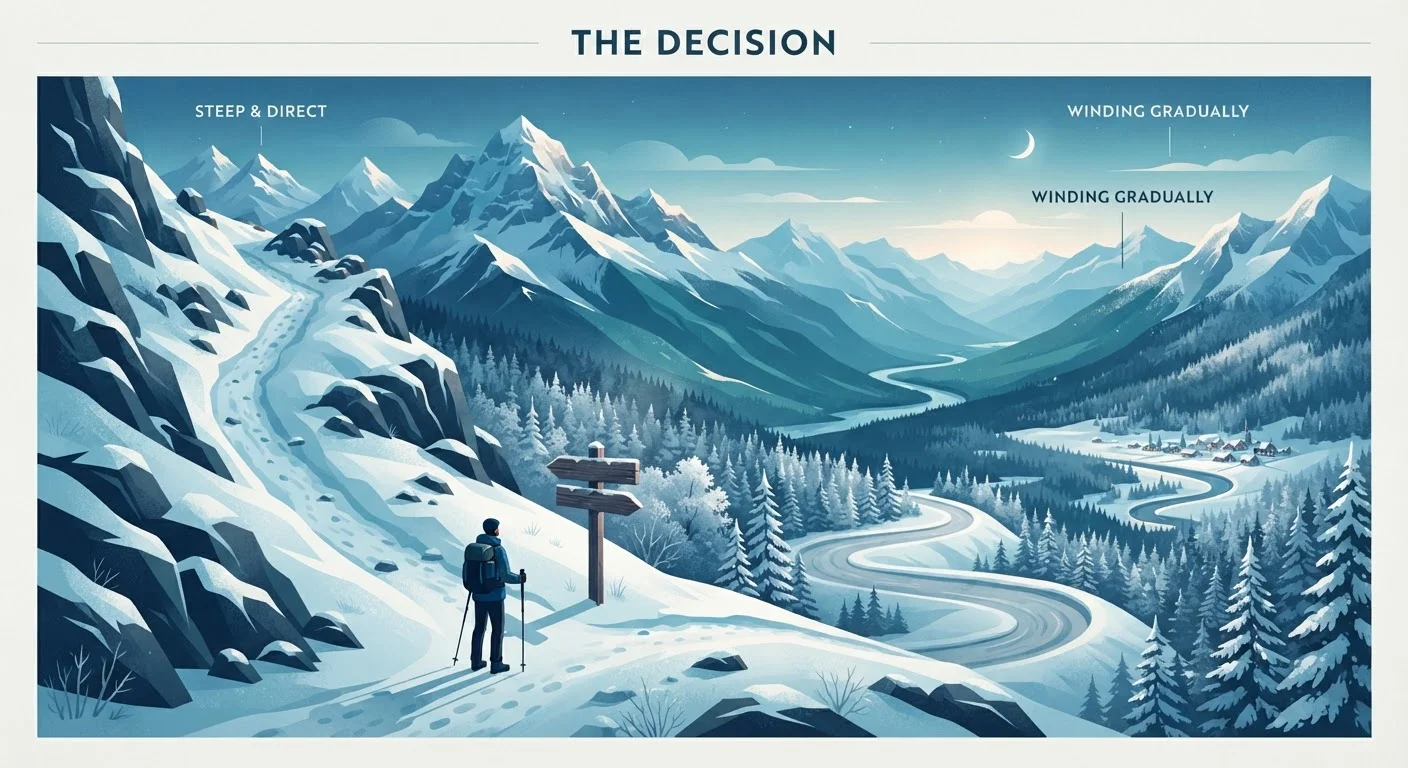
How Each Strategy Works
Both the avalanche and snowball methods share the same foundation: pay the minimums on every debt each month, then direct any extra money toward one designated account. The difference lies entirely in how you choose that priority account.
The Avalanche Method targets the debt with the highest interest rate first, regardless of its balance. Once that account is paid off, you redirect its payment to the next highest-rate debt. Because high-interest debt accrues the most cost over time, this approach typically results in less total interest paid across your repayment period.
The Snowball Method targets the debt with the smallest balance first, regardless of its interest rate. Each time a balance reaches zero, you roll that payment into the next smallest debt - creating a growing "snowball" of payment power. The appeal is psychological: paid-off accounts feel like real progress, which can make it easier to stay committed to the plan.
It's worth understanding which of your debts are most harmful before prioritizing - high-rate consumer debt typically deserves more urgency than a low-rate mortgage or student loan.
| Criterion | Avalanche Method | Snowball Method | |
|---|---|---|---|
| Priority target | Highest interest rate first | Smallest balance first | |
| Total interest paid | Generally lower | Potentially higher | |
| Time to first payoff | Longer (if high-rate debt is large) | Shorter (small balances clear fast) | |
| Motivational structure | Math-driven, long-term focus | Quick wins, emotional momentum | |
| Best debt profile fit | High-rate balances dominate | Multiple small balances exist | |
| Risk of abandonment | Higher if early results are slow | Lower due to early milestones |
The Math: What Each Method Actually Costs
On paper, the avalanche method is the financially optimal choice for most debt profiles. By eliminating high-interest balances first, you reduce the rate at which new interest accumulates - which means more of every payment chips away at principal rather than fees.
Consider a simplified example: someone with three debts - a $5,000 credit card at 22% APR, a $2,000 medical bill at 0% APR, and an $8,000 personal loan at 11% APR. Under the avalanche method, they'd attack the 22% card first. Under the snowball, they'd clear the $2,000 medical bill first, even though it carries no interest at all.
The difference in total interest paid between the two methods varies widely depending on your specific debt mix, interest rates, and how much extra you can put toward repayment each month. For some people the gap is substantial; for others it's relatively modest. What's consistent across research on debt repayment behavior is that people who complete a payoff plan come out ahead of those who start one and abandon it midway.
77%
Americans carrying some form of debt
According to Experian's consumer credit research, a large majority of U.S. adults carry at least one form of debt, underscoring why repayment strategies matter for most households.
20%+
Average credit card APR in the U.S.
Federal Reserve data shows average credit card interest rates have exceeded 20% in recent periods, making high-rate debt particularly costly to carry over time.
The Psychology: Why Motivation Matters
Debt repayment isn't purely a math problem - it's a sustained behavioral commitment that can span years. This is where the snowball method earns its following.
Paying off a complete account, even a small one, delivers a tangible sense of accomplishment. It reduces the number of open debts you're managing, simplifies your monthly obligations, and provides genuine evidence that the plan is working. For people who have struggled to maintain momentum in the past, these early wins can be the difference between finishing a payoff plan and dropping it after a few months.
The avalanche method, by contrast, may require you to channel extra payments toward a large, high-rate balance for an extended period before seeing a single account reach zero. If your highest-rate debt also happens to carry a large balance, motivation can erode before the first payoff milestone arrives.
If you're weighing debt payoff against other financial goals, the guide on whether extra money should go toward savings or debt offers a useful framework for thinking through that tradeoff alongside whichever repayment method you choose.
Choosing the Right Method for Your Situation
There's no universally correct answer - the right strategy depends on your debt profile, your financial habits, and what keeps you engaged over time. A few questions can help clarify the decision:
- Are your highest-rate debts also your largest balances? If so, the avalanche method could feel slow to produce results. The snowball might be worth the modest extra interest cost to maintain momentum.
- Do you have several small debts alongside a large one? Clearing the small ones quickly under the snowball method can simplify your finances without costing much extra in interest.
- Have you abandoned debt payoff plans before? That's a strong signal to prioritize the method that delivers early wins - the snowball.
- Are you a spreadsheet-driven planner? If seeing the long-term interest savings projected over time keeps you motivated, the avalanche may suit you better.
It's also worth thinking about how debt repayment fits into your broader financial picture. Balancing debt payoff with short- and long-term savings goals is a genuine challenge, and eliminating debt shouldn't mean neglecting an emergency fund or retirement contributions entirely.
If you're unsure how significant your overall debt load is relative to your income and assets, it may be helpful to review signs that debt has become a structural financial problem before committing to any repayment strategy.
This article is for general informational and educational purposes only and does not constitute personalized financial or legal advice. Consult a qualified financial professional for guidance specific to your situation.