How the Body Responds to Stress - and Why Duration Matters
When you encounter a threat - real or perceived - your brain triggers the release of stress hormones, primarily adrenaline and cortisol. This response evolved to help humans react quickly to physical danger: heart rate rises, muscles tighten, digestion slows, and attention narrows. Once the threat passes, the system resets.
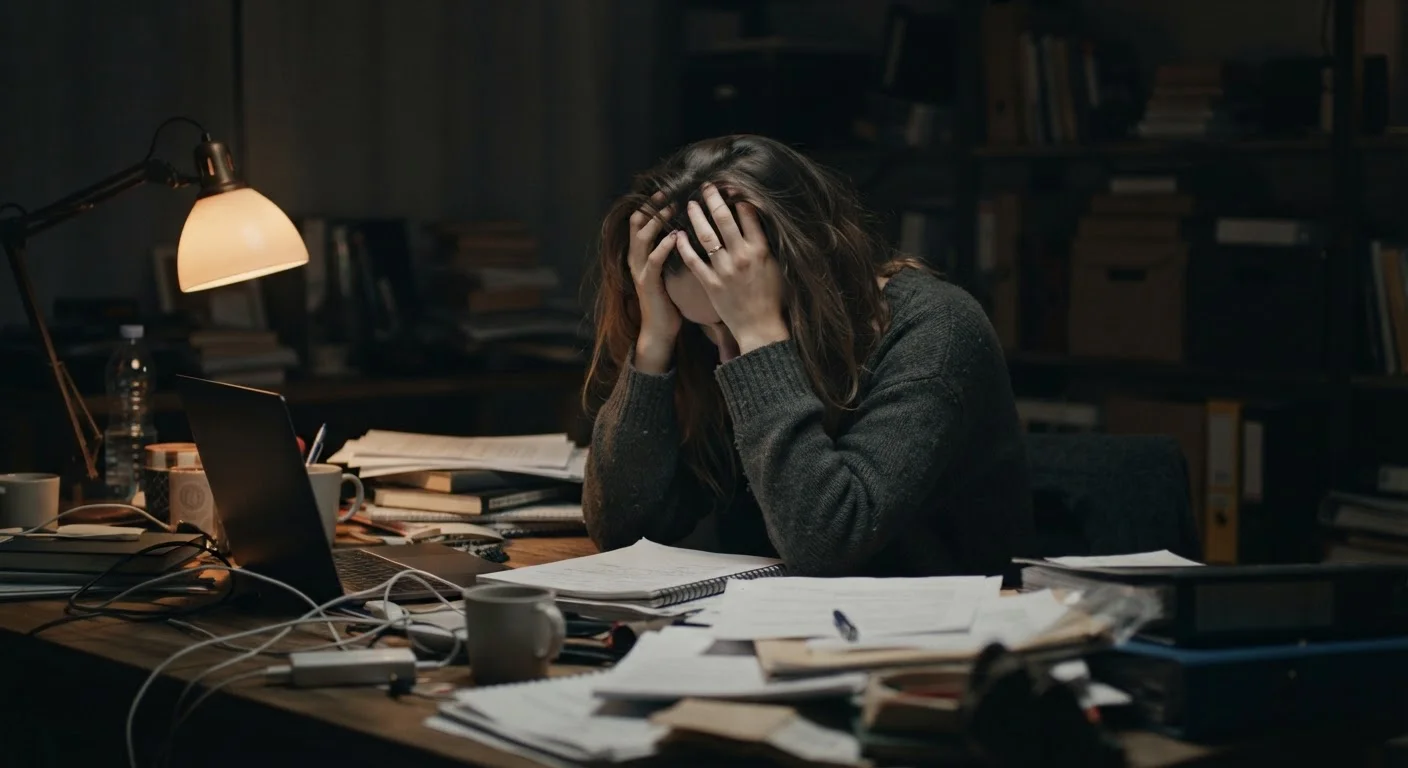
Chronic stress short-circuits that reset. When stressors are ongoing - unrelenting work pressure, financial instability, strained relationships, or caregiving demands - the body never fully returns to its baseline. The result is a system that keeps generating a stress response when no immediate physical danger exists. Over time, that mismatch between the body's alarm and the actual environment takes a measurable toll.
Stress vs. Anxiety: An Important Distinction
Chronic stress and anxiety disorders share many symptoms but are not identical. Stress typically has an identifiable external trigger; anxiety can persist even when no clear stressor is present. If you're unsure whether what you're experiencing is stress, anxiety, or something else, a qualified mental health professional can provide clarity and appropriate guidance.
What Chronic Stress Does to Your Brain
The brain is particularly sensitive to sustained cortisol exposure. Research has found associations between prolonged stress and changes in the hippocampus - the region central to memory formation and emotional regulation. High cortisol can interfere with the hippocampus's ability to form and retrieve memories, which is why people under significant stress often feel mentally foggy or forgetful.
Chronic stress also affects the prefrontal cortex, the area responsible for decision-making, impulse control, and planning. Meanwhile, the amygdala - which processes fear and threat - can become more reactive. This combination helps explain why chronic stress often manifests as difficulty concentrating, poor judgment, heightened anxiety, and emotional volatility. These aren't personality failings; they reflect genuine changes in how the stressed brain operates.
77%
Americans reporting physical stress symptoms
According to American Psychological Association survey data, a large majority of Americans report experiencing physical symptoms they associate with stress.
3x
Increased sick days linked to workplace stress
Research consistently shows that employees reporting high chronic work stress take significantly more sick days than those reporting lower stress levels.
1 in 3
Adults reporting sleep disruption from stress
APA polling has found that roughly a third of American adults say stress regularly interferes with their ability to get adequate sleep.
The Body Keeps Score: Physical Health Consequences
The cardiovascular system bears significant strain under chronic stress. Persistently elevated cortisol and adrenaline raise heart rate and blood pressure, contributing over time to increased cardiovascular risk. The immune system is similarly affected: stress hormones suppress certain immune responses, reducing the body's capacity to fight infections and recover efficiently.
Digestive health is another casualty. The gut and the brain share a bidirectional communication pathway - often called the gut-brain axis - and chronic stress disrupts normal digestive function. This can contribute to symptoms like nausea, bloating, constipation, or diarrhea. Chronically elevated cortisol also disrupts sleep architecture, making it harder to fall and stay asleep, which in turn amplifies stress reactivity the following day. Understanding these habits that quietly undermine emotional balance can help identify where stress compounds.
Emotional and Mental Health: The Invisible Burden
Chronic stress is one of the most consistent risk factors for anxiety and depression. When the body's stress response operates at a low but persistent level, mood-regulating neurotransmitters - including serotonin and dopamine - can become dysregulated. The result is often a state that feels like persistent low mood, emotional numbness, irritability, or a sense of being overwhelmed by things that once felt manageable.
Social withdrawal frequently follows. People under sustained stress often pull back from relationships - the very connections that provide emotional buffering. Behaviors that temporarily numb the discomfort, such as excessive screen time or passive scrolling, may actually worsen emotional outcomes. Research on social media and mental well-being suggests that passive consumption can amplify rather than relieve emotional strain.
Small Recovery Habits Add Up
You don't need dramatic lifestyle changes to begin moderating chronic stress. Brief daily practices - even five to ten minutes of deliberate slow breathing, a short walk, or limiting news consumption before bed - can help the nervous system shift out of prolonged alert states. Consistency over intensity is what matters most for building resilience.
Recognizing Chronic Stress and Seeking Support
Chronic stress is often normalized because it develops gradually and because many of its symptoms - fatigue, irritability, headaches, disrupted sleep - are easily attributed to other causes. Paying attention to patterns over time matters more than any single symptom. If the body or mind feels persistently depleted without obvious recovery, that's a meaningful signal worth taking seriously.
General wellness strategies - regular physical activity, consistent sleep habits, social connection, and mindfulness practices - have meaningful evidence supporting their role in stress regulation. However, these are complements to, not substitutes for, professional care. A healthcare provider or mental health professional can assess whether stress is contributing to specific symptoms and help develop an appropriate plan. Chronic stress is a legitimate health concern, and addressing it proactively is a sound decision, not an overreaction.
This article is for general informational purposes only and does not constitute medical advice. If you are experiencing symptoms you believe may be related to chronic stress, please consult a qualified healthcare professional.