Why Reading Your Lease in Full Actually Matters
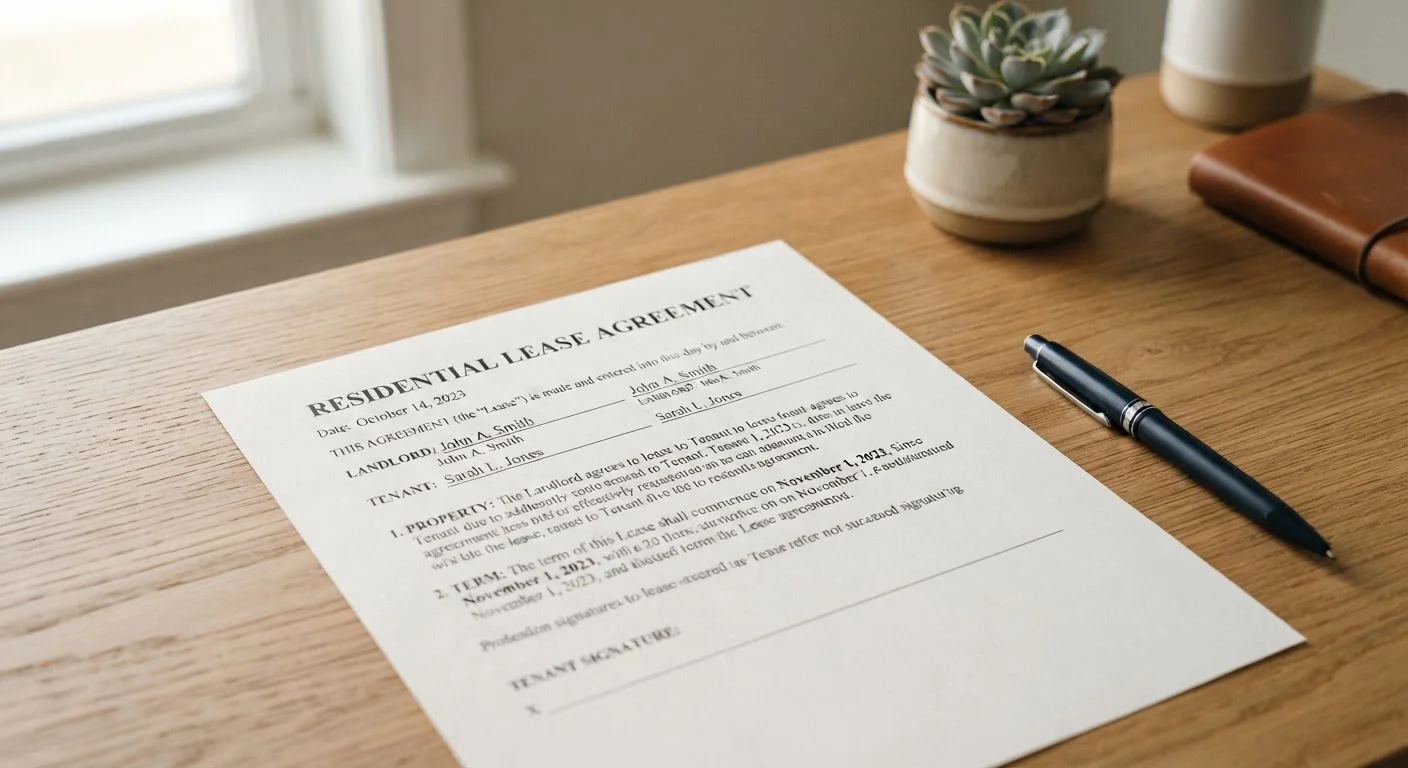
Most renters flip to the last page and sign. That's understandable - leases are dense, repetitive, and written in legal language. But a lease is one of the most consequential contracts most people sign, governing where they live and how much they pay for months or years at a time.
Unlike the fine print in, say, an internet service agreement, breaking a lease has direct, immediate financial consequences. Knowing what you're agreeing to before you sign shifts the power back to you.
Before You Sign: A Simple Habit That Pays Off
Print or save a copy of the lease and highlight every clause that involves money, timelines, or restrictions. If a term is unclear, ask the landlord for a written explanation before signing - verbal assurances are difficult to enforce later. You can also explore which terms may be negotiable before committing.
The Core Clauses and What They Mean
Every standard residential lease contains a handful of fundamental provisions. Here's what each one is actually saying:
Rent and Payment Terms
This section states the monthly rent amount, the due date, and what happens if payment is late. Most leases include a grace period - commonly three to five days - before a late fee applies. The fee amount is usually fixed in the contract. Paying on time consistently protects your tenancy and rental history.
Security Deposit
The security deposit is money held by the landlord to cover unpaid rent or damage beyond normal wear and tear. State law dictates the maximum deposit amount (often one to two months' rent), how it must be stored, and how quickly it must be returned after move-out - typically 14 to 30 days depending on the state. Always document the unit's condition at move-in with photos.
1-2 months
Typical security deposit maximum by state
Most U.S. states cap security deposits at one to two months' rent, though some states impose no statutory cap at all.
14-30 days
Security deposit return window in most states
State landlord-tenant laws generally require landlords to return security deposits within 14 to 30 days of move-out, with an itemized statement of deductions.
24-48 hrs
Advance notice required before landlord entry
Most states require landlords to provide at least 24 hours' written notice before entering a rented unit for non-emergency purposes.
Lease Term and Renewal
This clause defines the start and end date of your tenancy. It also typically explains what happens when the term ends - whether the lease converts to month-to-month, requires written renewal, or terminates automatically. Understanding this clause is especially important if you're weighing a month-to-month versus fixed-term lease.
Maintenance and Repairs
Leases typically outline which repairs are the tenant's responsibility (minor items like light bulbs) and which belong to the landlord (heating systems, plumbing, structural issues). Many state laws require landlords to maintain habitable conditions regardless of what the lease says.
Rules Governing Use of the Property
This section covers noise restrictions, smoking policies, pet permissions, subletting rules, and limits on alterations like painting or hanging fixtures. Subletting without written landlord approval is one of the most common lease violations - check this clause carefully before hosting a roommate or listing on a short-term rental platform.
Clauses That Often Catch Renters Off Guard
Several provisions appear in most standard leases but are frequently overlooked:
- Entry and notice requirements: Landlords are generally required to give advance notice - typically 24 to 48 hours - before entering the unit except in emergencies. Your lease should reflect this, and state law often mandates it regardless of what the lease says.
- Automatic renewal clauses: Some leases renew automatically for another full term unless you provide written notice to vacate within a specific window - sometimes 60 to 90 days before the end date. Missing this window can bind you to another year.
- Rent escalation provisions: Fixed-term leases sometimes include pre-agreed rent increases upon renewal. Read whether any increase is capped or at landlord's discretion.
- Joint and several liability: When two or more people sign the same lease, each person is individually responsible for the full rent - not just their share. If a roommate stops paying, the landlord can pursue any one signatory for the entire amount.
State Law Often Overrides Lease Language
Even if a landlord includes a clause in the lease, it may not be enforceable if it conflicts with your state's landlord-tenant statutes. For example, a clause waiving your right to proper notice before entry is typically void regardless of your signature. Your state's attorney general office or a local tenant rights organization can clarify what laws apply in your area.
When Lease Language and the Law Conflict
Not every clause in a lease is enforceable. Landlord-tenant law varies significantly by state and city, and a provision that contradicts applicable law is typically void. Common examples include clauses that waive a tenant's right to a habitable unit, prohibit tenants from contacting code enforcement, or attempt to hold tenants liable for the landlord's legal fees in all circumstances regardless of outcome.
If you encounter a clause that seems unusually punitive or restrictive, consulting a local tenant's rights organization or a licensed attorney before signing is worth considering. Many cities have free or low-cost tenant legal aid programs.
This article is for general informational purposes only and does not constitute legal advice. Lease laws vary by state and locality. Consult a licensed attorney or qualified professional for guidance specific to your situation.