What Is a Trail Town - and Why Does It Matter?
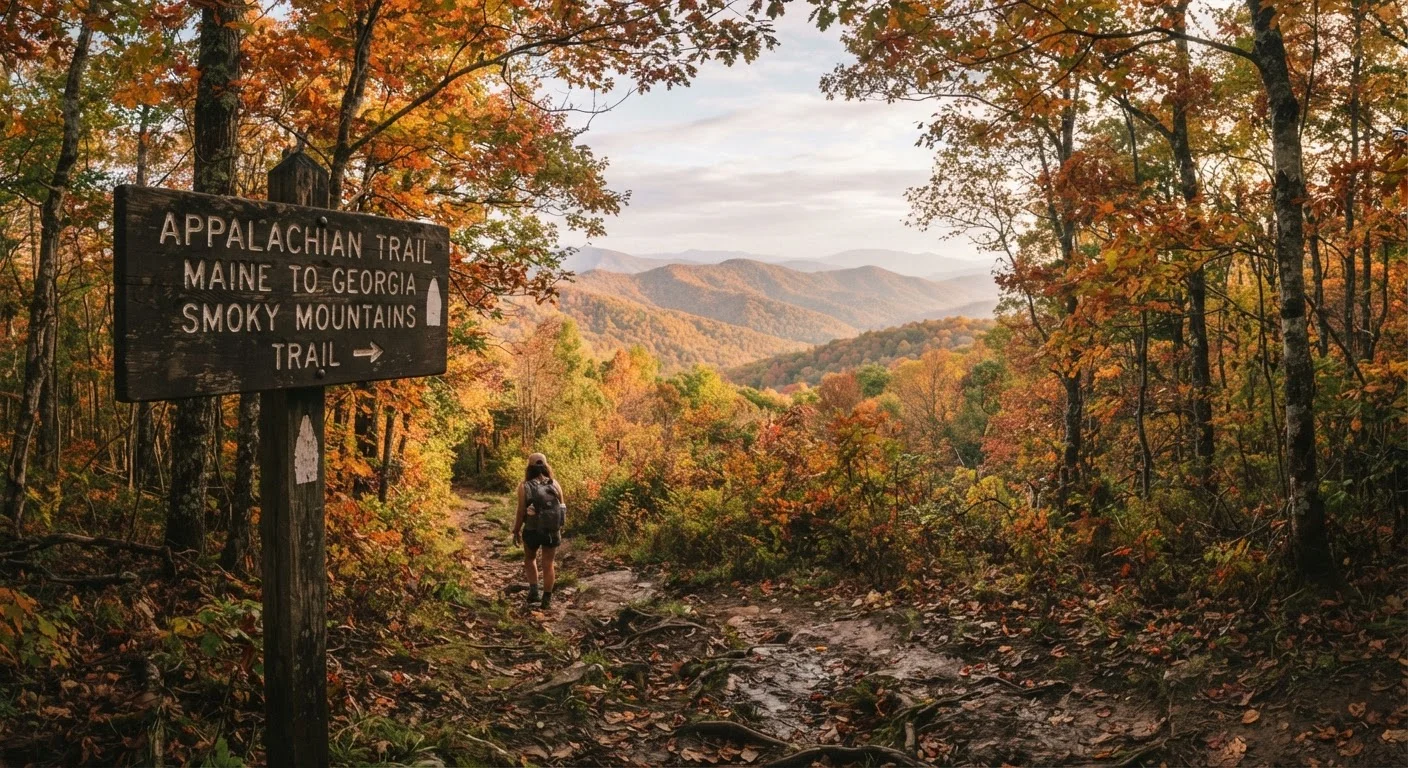
The Appalachian Trail (AT) is one of the longest continuously marked footpaths in the world, stretching roughly 2,190 miles from Springer Mountain in Georgia to Mount Katahdin in Maine. Along that corridor, a constellation of towns has evolved to serve both long-distance thru-hikers and weekend visitors - communities that trail culture collectively calls gateway towns.
These aren't simply towns near the mountains. They actively support trail access: many sit directly on the white-blazed path or within a short shuttle ride. Visitors will typically find places to resupply gear and food, lodging ranging from hostels to inns, outfitters, and locals who understand what hikers need. For day-trippers and destination travelers, gateway towns also offer restaurants, cultural sites, and a more relaxed entry point into Appalachian landscapes than a trailhead parking lot.
| Total Trail Length | Approximately 2,190 miles (Appalachian Trail Conservancy) |
| States Crossed | 14 states, Georgia to Maine (Appalachian Trail Conservancy) |
| Southern Terminus | Springer Mountain, Georgia |
| Northern Terminus | Mount Katahdin, Maine |
| Symbolic Midpoint Town | Harpers Ferry, West Virginia (Appalachian Trail Conservancy HQ location) |
| Annual Thru-Hiker Attempts | Approximately 3,000-4,000 per year (Appalachian Trail Conservancy estimates) |
Understanding the distinction helps you plan better. A town near the AT might offer a nice hotel but no trail access. A recognized gateway community puts you on the path - literally - within walking distance of town center.
Key Gateway Communities from Georgia to Maine
Each section of the AT has its own character, and the towns reflect that. Here is a region-by-region reference of communities worth knowing.
Southern Appalachians (Georgia, North Carolina, Tennessee)
Hiawassee, Georgia sits near the southern terminus and is a popular first resupply stop for northbound thru-hikers. It offers basic amenities, shuttle services, and a small-town feel that eases hikers into trail life. Hot Springs, North Carolina is one of the most celebrated trail towns anywhere on the route - the AT runs directly through the downtown. Hot Springs offers mineral spa pools, outfitters, restaurants, and a genuine hiker-friendly culture built over decades. Damascus, Virginia (just across the Tennessee border by trail culture reckoning) hosts the annual Trail Days festival each May, drawing thousands to celebrate trail community.
Mid-Atlantic (Virginia, West Virginia, Maryland, Pennsylvania)
Harpers Ferry, West Virginia holds deep historical significance as the site of John Brown's 1859 raid and sits at the confluence of the Potomac and Shenandoah rivers. The Appalachian Trail Conservancy headquarters is located here, making it a symbolic midpoint. Waynesboro, Virginia marks the northern end of Shenandoah National Park's portion of the trail and is known for its welcoming hiker infrastructure. Boiling Springs, Pennsylvania offers a quiet, charming stop with a natural lake and a regional AT office nearby.
New England (Connecticut, Massachusetts, Vermont, New Hampshire, Maine)
Hanover, New Hampshire - home of Dartmouth College - is an urban outlier on the trail: the AT passes through the college green itself. Visitors find full-service restaurants, libraries, and lodging within steps of the blazes. Monson, Maine is the last resupply town before the 100-Mile Wilderness, a nearly trailhead-free stretch that precedes Mount Katahdin. Its small population belies its outsized importance to southbound and northbound hikers alike.
Verify Conditions Before You Travel
Trail access, hostel availability, and local business hours can change with seasons, weather events, or trail rerouting. Always check with the Appalachian Trail Conservancy (appalachiantrail.org) and the relevant state trail managing club for current conditions. Entry requirements, road access, and parking policies at specific trailheads are subject to change and should be confirmed with official sources before your trip.
What to Expect When You Visit
Gateway towns vary enormously in size and amenity level. Some, like Hanover or Gatlinburg (near the Great Smoky Mountains section), offer full tourism infrastructure. Others - Monson, Pearisburg in Virginia, Delaware Water Gap in Pennsylvania - are small enough that a few businesses carry the whole hiker-service load.
A few practical realities worth knowing before you go:
- Seasonality matters. Peak southbound hikers arrive in New England towns in late summer and early fall. Northbound hikers flood southern gateways from March through May. Some hiker-specific hostels and outfitters operate seasonally and may be closed outside those windows.
- Shuttle services are common but not guaranteed. Many towns have volunteer or paid shuttles connecting lodging to trailheads. Confirm availability before you travel, especially for remote northern sections.
- Trail culture is local culture. Gateway towns have their own rhythms shaped by decades of hiker visits. Treating local businesses, natural spaces, and residents respectfully is expected and appreciated.
- Entry points change. The trail crosses roads at various points; official trailhead access and parking can be limited. Check current conditions with the Appalachian Trail Conservancy or your state's trail managing club before heading out.
Whether you're planning a multi-day section hike, a weekend basecamp, or simply a day visit to see what the trail's community life feels like, these towns offer a genuine and accessible doorway into one of America's great long-trail traditions.