
Is Buying Right for You?
Before touring a single home, it pays to ask an honest question: is buying the right move right now? Homeownership builds equity over time, but it also comes with maintenance costs, reduced flexibility, and significant upfront expenses that renting does not. Our guide to renting vs. buying walks through both sides of that decision in detail.
Key factors to weigh include how long you plan to stay in an area (generally, a horizon of at least three to five years improves the financial case for buying), the stability of your income, and your readiness to handle unexpected repair costs. If you've worked through those questions and buying makes sense for your situation, the steps below will guide you through the full process.
Setting Your Budget
A realistic budget is the foundation of a successful home purchase. Start with two numbers: how much you can put toward a down payment, and how much you can comfortably afford each month. Conventional loans typically require a down payment of 5-20% of the purchase price, though certain government-backed programs allow lower amounts. Keep in mind that putting down less than 20% usually triggers PMI - an added monthly cost that protects the lender, not you.
Beyond the mortgage payment, budget for property taxes, homeowner's insurance, and routine maintenance - commonly estimated at 1-2% of the home's value annually. Many financial advisors suggest keeping total housing costs below 28-30% of gross monthly income, though your personal circumstances will vary. This is general guidance, not a personalized recommendation; consulting a financial professional for your specific situation is always advisable.
43%
First-time buyers as share of all U.S. home purchases
According to the National Association of Realtors' 2023 Profile of Home Buyers and Sellers.
2-5%
Typical closing costs as a percentage of the loan amount
Closing cost ranges are widely cited by the Consumer Financial Protection Bureau as a general benchmark for buyers to plan around.
8 weeks
Median time from search start to contract
NAR data suggests the active home search typically spans several weeks to months, varying significantly by market conditions and inventory.
Getting Pre-Approved for a Mortgage
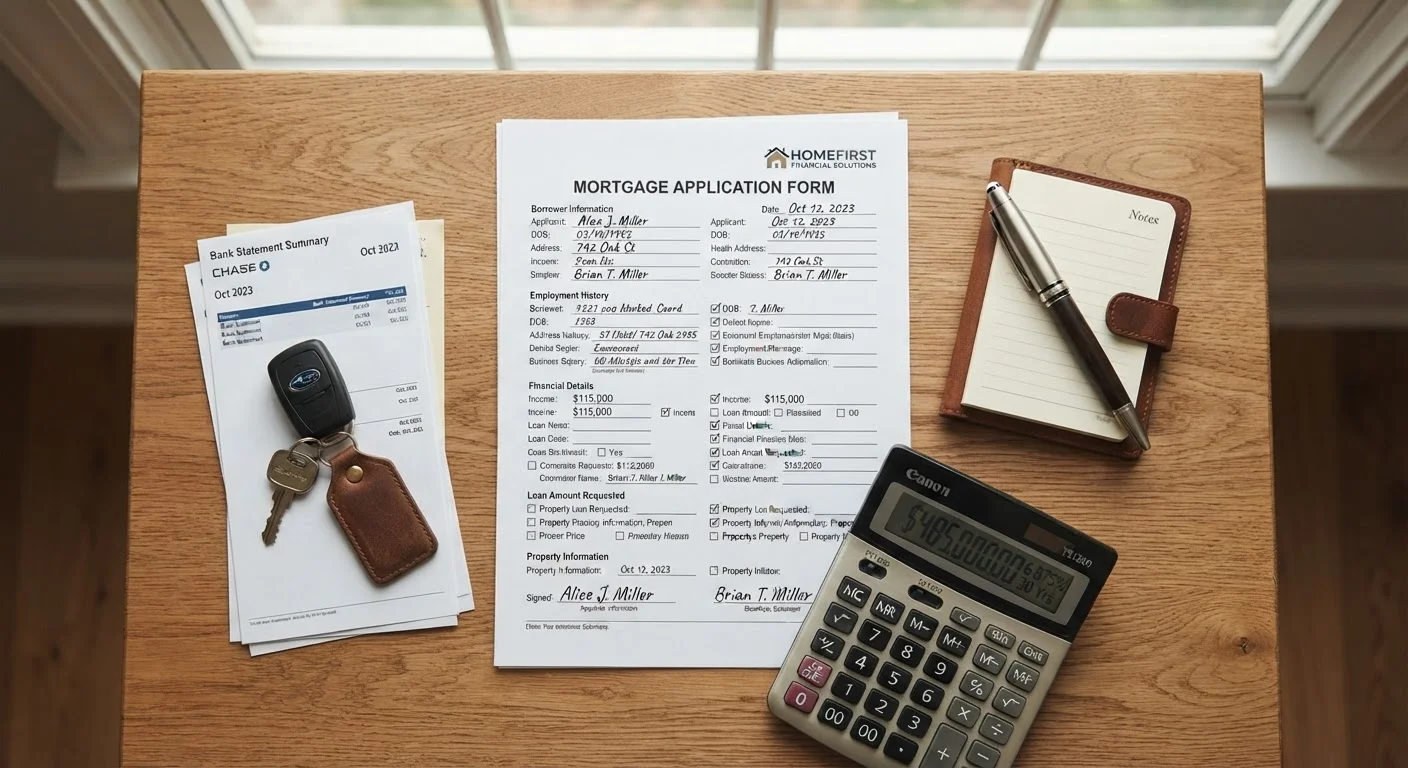
Pre-approval is a lender's conditional commitment to loan you up to a specific amount, based on a review of your credit score, income, debts, and assets. It is different from pre-qualification, which is a faster but less rigorous estimate. In competitive markets, sellers often expect a pre-approval letter before they'll seriously consider an offer.
To get pre-approved, you'll typically submit pay stubs, tax returns, bank statements, and consent for a hard credit inquiry. Shopping multiple lenders and comparing their loan estimates - including interest rates, fees, and terms - is a sound practice. For a deeper look at how mortgages work and what programs may be available to first-time buyers, see our guide on navigating your first home purchase.
Get pre-approved by at least two or three lenders before settling on one. Even a small difference in interest rate can meaningfully affect your total cost over a 30-year loan.
The Consumer Financial Protection Bureau notes that comparing multiple loan offers is one of the most impactful steps buyers can take to reduce borrowing costs.
Never skip the home inspection, even in a hot market where waiving contingencies is tempting. Uncovering a major structural or system issue before closing gives you options - after closing, those costs are entirely yours.
Repair costs for hidden defects - such as foundation problems or aging HVAC systems - can run into tens of thousands of dollars, far exceeding the cost of the inspection itself.
Searching for a Home
With a pre-approval in hand, you have a clear ceiling for your search. Most buyers work with a licensed buyer's agent - a real estate professional whose legal duty is to represent your interests. In most transactions, the buyer's agent is compensated through the sale, though commission structures have evolved and it's worth discussing arrangements upfront.
Define your must-haves versus nice-to-haves: number of bedrooms, commute distance, school district, lot size, and condition. Online listing platforms provide a useful starting point, but your agent will have access to the full MLS and can schedule showings and alert you to new listings quickly. Expect to tour multiple homes - patience and flexibility in this stage usually leads to better outcomes.
Making an Offer and Negotiating
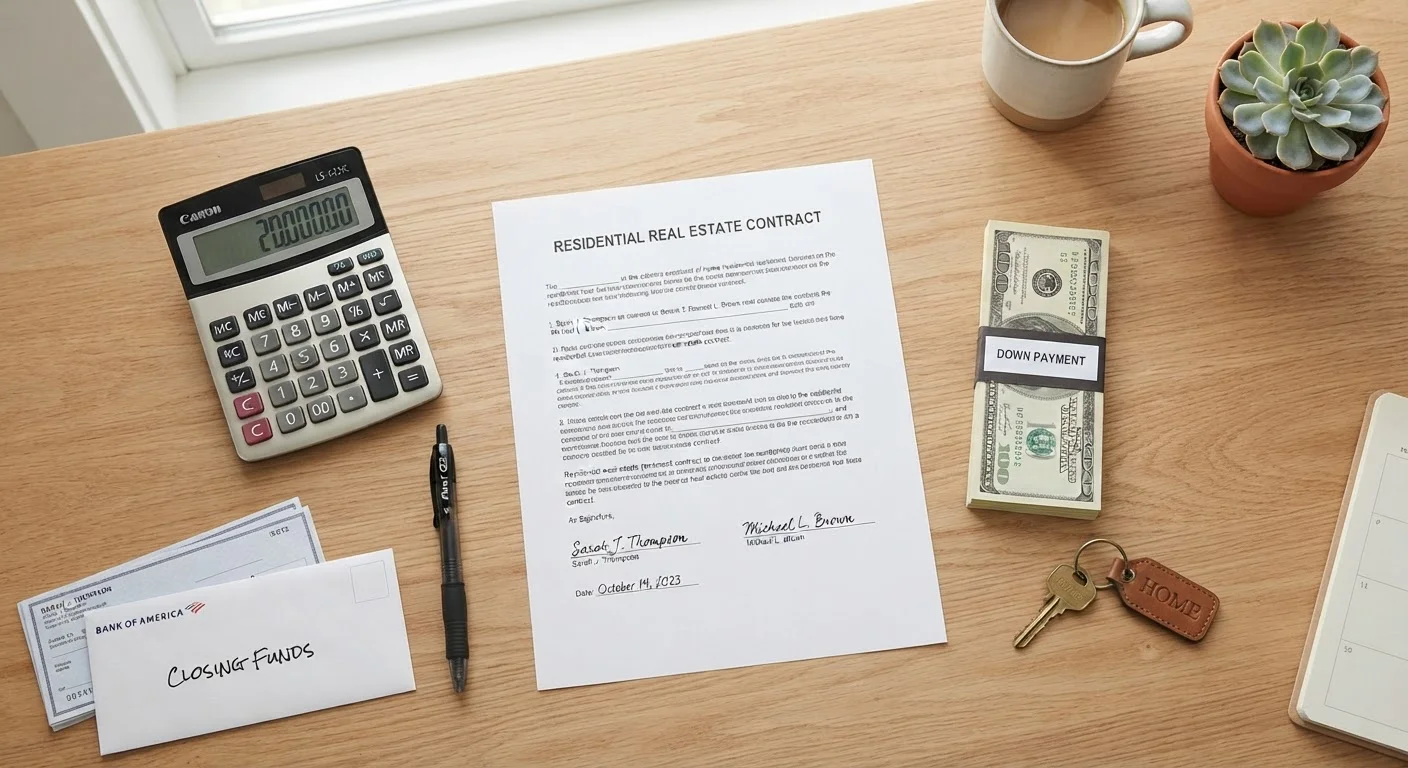
When you find the right home, your agent will help you prepare a written purchase offer. This document specifies the price you're offering, your proposed closing timeline, the earnest money deposit (typically 1-3% of the purchase price held in escrow to show good faith), and any contingencies - conditions that must be met for the sale to proceed.
Common contingencies include financing (the deal is contingent on securing your mortgage), inspection (you can negotiate repairs or walk away after an inspection), and appraisal (the home must appraise at or above the purchase price). Sellers may accept, reject, or counter your offer. Negotiation is normal; your agent's guidance on local market conditions will help you decide how much flexibility you have.
Inspections, Appraisals, and Due Diligence
Once an offer is accepted, the due diligence period begins. A general home inspection - conducted by a licensed inspector you hire - examines the structure, roof, electrical systems, plumbing, HVAC, and more. The inspector's report gives you a clearer picture of the property's condition and may surface issues to negotiate with the seller before closing.
Your lender will also require a home appraisal: an independent assessment of the property's market value. If the appraisal comes in below the purchase price, you may need to renegotiate, make up the difference in cash, or walk away if your appraisal contingency allows. Title search and title insurance are also arranged during this period to confirm the seller has clear ownership and to protect against future claims.
Closing Day: What to Expect
Closing is the final step where ownership legally transfers to you. In the days before, you'll receive a Closing Disclosure - a standardized document detailing your final loan terms, monthly payment, and all closing costs. Review it carefully against your earlier Loan Estimate and flag any discrepancies with your lender immediately.
At closing, you'll sign a substantial amount of paperwork, pay closing costs (generally 2-5% of the loan amount, covering lender fees, title insurance, prepaid taxes, and more), and wire your remaining down payment funds. A final walk-through of the property, typically done 24 hours before closing, confirms the home's condition matches what was agreed upon. Once everything is signed and funds are distributed, you receive the keys. The home is yours.
This article is for general informational purposes only and does not constitute financial, legal, or real estate advice. Consult qualified professionals - including a licensed real estate agent, mortgage lender, and attorney where applicable - before making decisions about buying a home.