
Why Your Body Doesn't Know What Time It Is
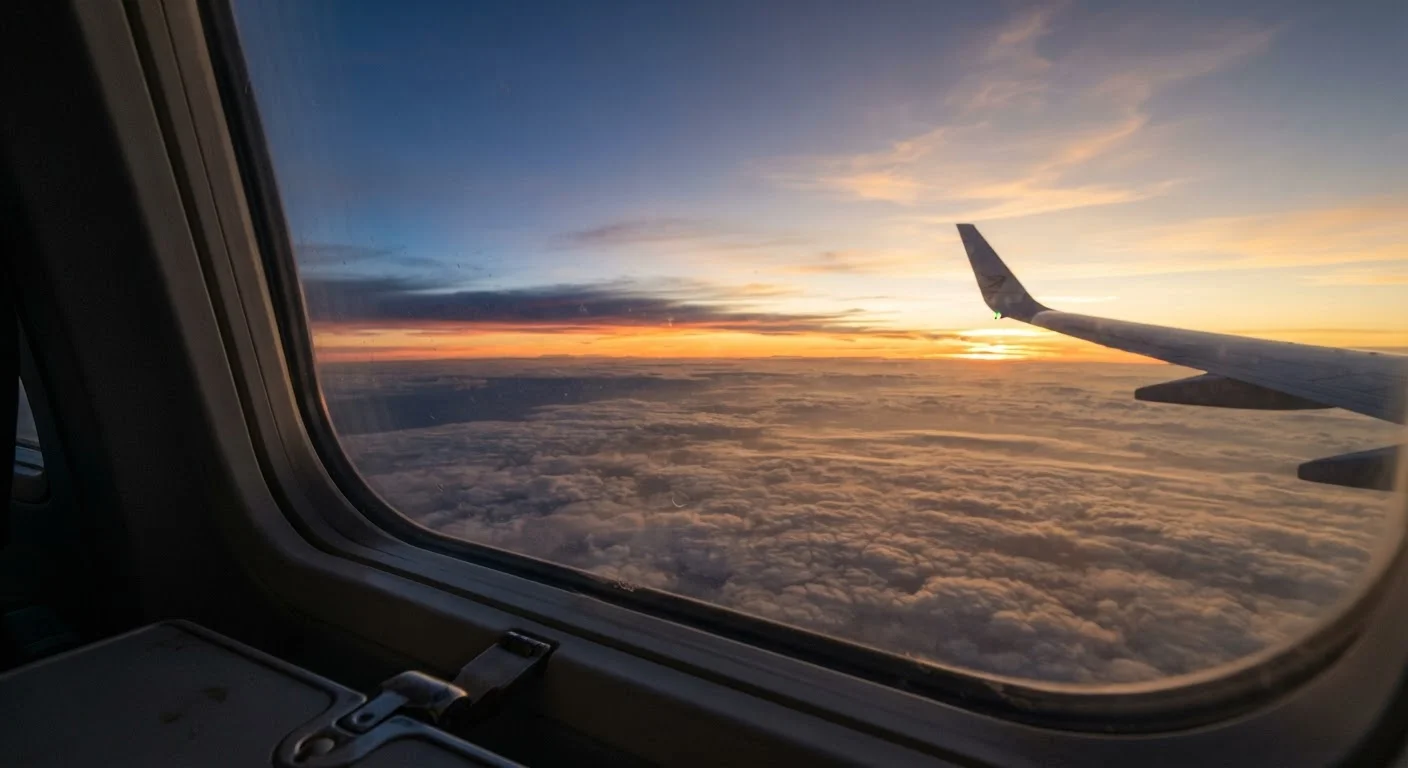
Somewhere over the Atlantic, your body is still convinced it's 2 a.m. back home - even as the flight attendant hands you a breakfast tray at what the local time will call 7 a.m. That disconnect has a name: jet lag, or more precisely, circadian misalignment. It's not just tiredness from a long flight. It's a genuine biological disruption rooted in how our bodies keep time.
Every human carries an internal clock - a cluster of neurons in the brain called the suprachiasmatic nucleus (SCN) - that orchestrates a roughly 24-hour rhythm governing sleep, digestion, hormone release, body temperature, and more. This clock is anchored primarily to light. When you cross multiple time zones rapidly, the clock doesn't instantly reset. It adjusts slowly, typically at a rate of one to one-and-a-half hours per day.
The result is a temporary state where your body's biological rhythms are out of sync with the clock on the wall at your destination. That's jet lag - and understanding this mechanism is the first step toward managing it deliberately rather than just suffering through it.
Myth
Jet lag is just tiredness from traveling - a good night's sleep will fix it.
Fact
Jet lag is a circadian rhythm disruption, not simple fatigue, and it typically takes multiple days to resolve regardless of sleep quality.
While exhaustion from a long journey is real, it's separate from jet lag. Jet lag persists because your body's internal clock continues running on home time. You might sleep eight hours and still feel foggy, off-appetite, or unable to fall asleep at the local bedtime. Recovery requires the clock itself to shift - a process driven by light exposure and behavioral cues, not rest alone.
Myth
Flying west is just as hard on your body as flying east.
Fact
Eastward travel is consistently more disruptive because it requires advancing the body clock, which runs slightly longer than 24 hours and naturally resists moving forward.
Human circadian rhythms run on a cycle slightly longer than 24 hours - closer to 24.2 hours on average. That means our clocks naturally drift a little later each day, making it biologically easier to delay sleep (traveling west) than to push it earlier (traveling east). This is why many travelers find a New York-to-Tokyo flight harder to recover from than the return trip.
Myth
Drinking alcohol on the plane helps you sleep off the time difference.
Fact
Alcohol disrupts sleep architecture and worsens circadian recovery, even if it helps you fall asleep initially.
Alcohol may reduce the time it takes to fall asleep, but it suppresses REM sleep - the deeper, restorative stage - and leads to more fragmented rest overall. On top of that, cabin air at altitude is already dehydrating, and alcohol amplifies that effect. The net result is that in-flight drinking tends to make jet lag symptoms worse, not better.
Myth
Melatonin supplements work for jet lag no matter when you take them.
Fact
The timing of melatonin intake is more important than the dose - taken at the wrong time, it can shift your clock in the wrong direction.
Melatonin is a timing signal, not a sedative. Research suggests that taking it in the early evening local time can help advance your clock for eastward travel, but taking it in the morning can actually delay your clock - making adjustment harder. Because individual responses vary and supplements are not regulated for purity in the same way pharmaceuticals are, travelers interested in using melatonin should discuss timing and dosage with a healthcare provider before their trip.
Myth
Jet lag hits everyone equally regardless of age or sleep habits.
Fact
Older adults and people with pre-existing sleep disorders tend to experience more severe jet lag and slower recovery.
The circadian system becomes less robust with age - older adults often have a harder time shifting their clocks and may experience more pronounced daytime sleepiness and nighttime wakefulness. Habitual sleep deprivation before travel also reduces the body's resilience. Recognizing these differences helps travelers set realistic expectations and plan itineraries that account for individual recovery time.
What Actually Helps - and What Doesn't
Once you understand the biology, practical strategies start to make more sense. Light exposure is the most evidence-backed tool for resetting your circadian clock. Seeking bright outdoor light in the morning at your destination helps anchor your SCN to local time faster. Avoiding bright screens and strong artificial light in the hours before sleep at your destination matters equally.
Melatonin, a hormone naturally produced by the brain as darkness falls, is often recommended as a jet lag aid - but timing is everything. Taken too early or too late in the day, it can reinforce the wrong schedule. General guidance from sleep researchers suggests taking a low dose in the early evening of your destination's local time for eastward travel, but individual response varies. Consult a healthcare provider before adding any supplement to your routine.
Don't Rely on Sleep Aids Without Guidance
Over-the-counter sleep medications and sedating antihistamines are sometimes used for long flights, but they do not reset the circadian clock and may leave you groggier upon arrival. Prescription sleep aids carry additional risks at altitude and in unfamiliar environments. If you're considering any medication for travel-related sleep disruption, speak with a healthcare provider before your trip - especially if you have underlying health conditions.
Staying well-hydrated and limiting alcohol - both of which cabin air and social travel pressure tend to work against - also supports recovery. Alcohol may help you fall asleep, but it fragments sleep quality significantly, prolonging the time your body needs to readjust. Think of the recovery window as something you can influence through consistent behavioral cues: eating on local meal times, sleeping when it's dark, and being outdoors when the sun is up.
Planning Around What the Science Tells Us
Jet lag is not entirely avoidable, but it is predictable. Knowing that an eastward flight from New York to Paris covering six time zones will likely cause more disruption than a westward flight back - and that recovery will take several days - lets you plan your itinerary with realistic expectations rather than wishful thinking.
Arriving a day or two before an important meeting, scheduling lighter activities for your first full day, and resisting the urge to nap for hours in the afternoon at your destination are all grounded in what we know about how circadian adjustment works. The science won't eliminate the groggy mornings or the 3 a.m. wide-awake moment, but it does make them less mysterious - and more manageable.
Travel with confidence doesn't mean pretending jet lag doesn't exist. It means understanding enough about your body's rhythms to work with them, not against them.