The Case for Going Between the Crowds
Peak season has an obvious appeal: reliable weather, everything open, the full production. But for a growing number of travelers, the shoulder months - generally March through May and September through November - have become the preferred window for exploring the United States. The reasons go beyond avoiding long lines at national park entrance gates.
In shoulder season, a destination often reveals something closer to its everyday self. Locals return to their favorite spots. Restaurants relax their pace. Hiking trails open up, and the light - particularly in fall - takes on a quality that photographers chase all year. The trick is knowing which destinations genuinely benefit from an off-peak visit and which merely tolerate one. The list below focuses on the former: places where timing your trip outside summer or winter doesn't just save hassle, it actively improves the experience.
If you're still deciding on the shape of your trip overall, building an itinerary with room to breathe is worth thinking through before you lock in dates.
Great Smoky Mountains, Tennessee and North Carolina
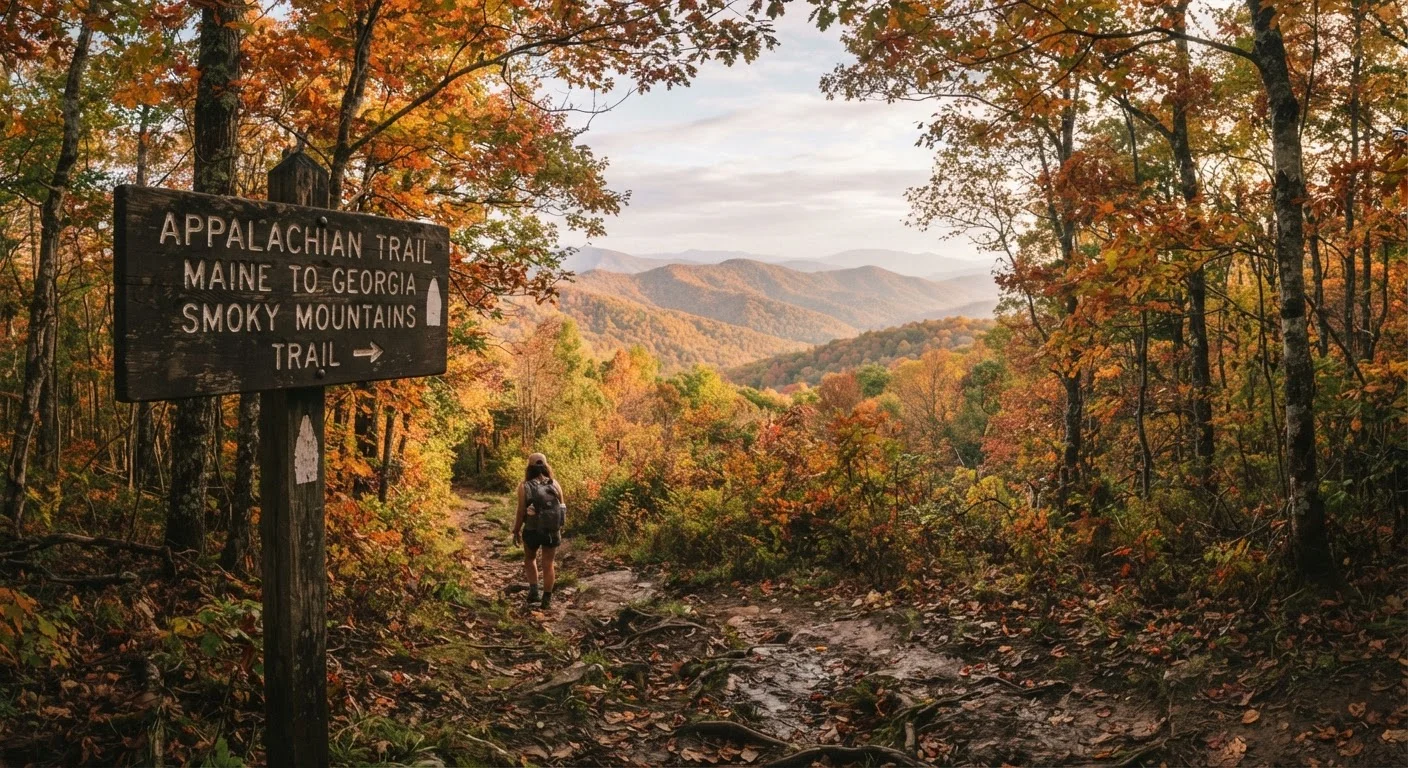
The Smokies are the most visited national park in the country - which makes peak summer genuinely difficult. But October transforms the experience entirely. The Blue Ridge Parkway and Cades Cove loop become corridors of amber and crimson, and the haze that gives the mountains their name settles into something almost painterly in the cool morning air. Trails that feel shoulder-to-shoulder in July open up considerably. Spring brings a second shoulder window, when wildflowers - particularly trillium and flame azaleas - bloom across the higher elevations, typically peaking in April and May depending on elevation.
October turns the Smokies into something closer to a painting than a park.
Sedona, Arizona
Sedona in summer is hot - regularly above 100°F in the canyon areas - and crowded. Spring and fall bring temperatures into the 70s and 80s, which is genuinely ideal for the hiking and canyon exploration that defines a Sedona visit. The red rock formations catch different light in October than in June: longer shadows, richer color contrast, fewer hikers on the switchbacks. March and April also tend to have pleasant conditions, though spring break can compress crowds into the first weeks of April. The surrounding Verde Valley and Cottonwood wine corridor become more appealing shoulder destinations in their own right when the heat eases.
Fall brings the red rocks into their richest color contrast with longer shadows and cooler air.
Cape Cod, Massachusetts
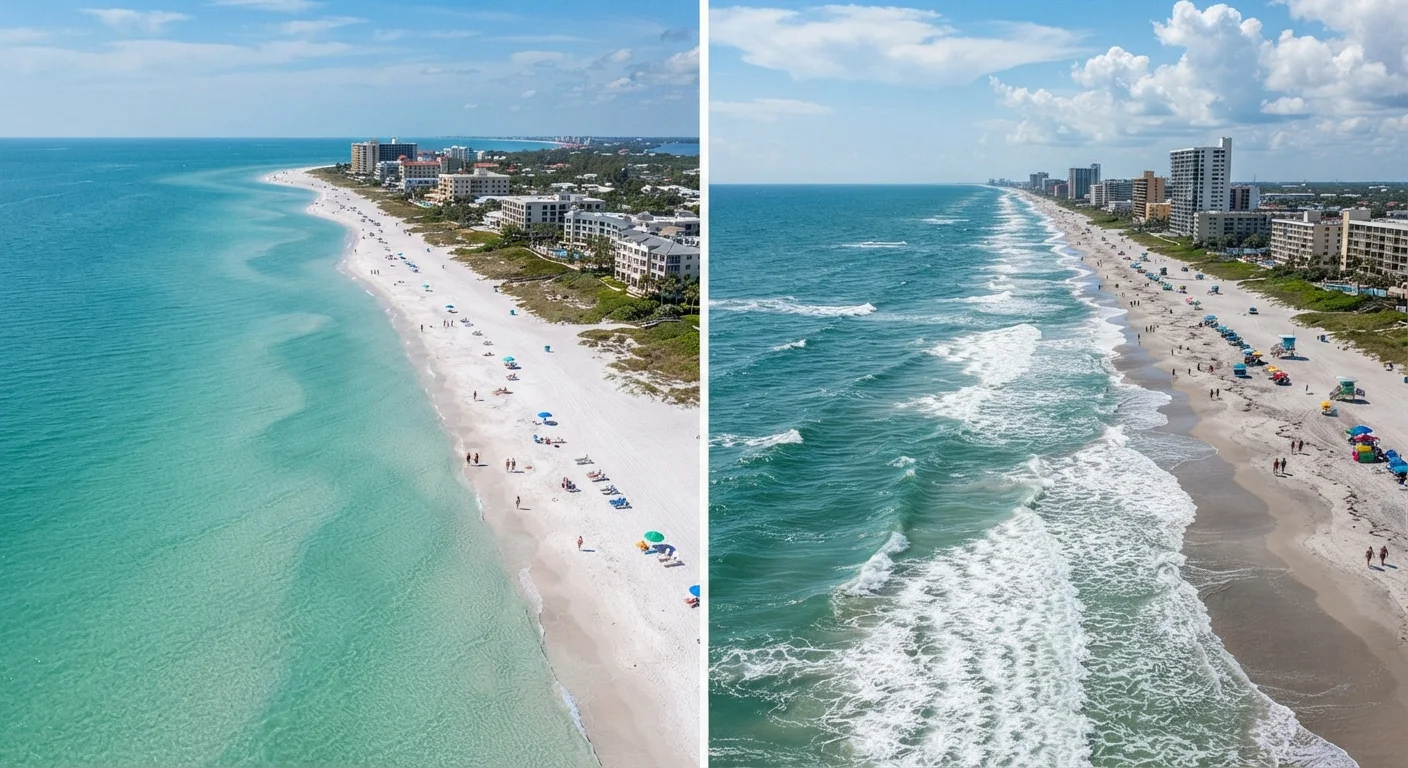
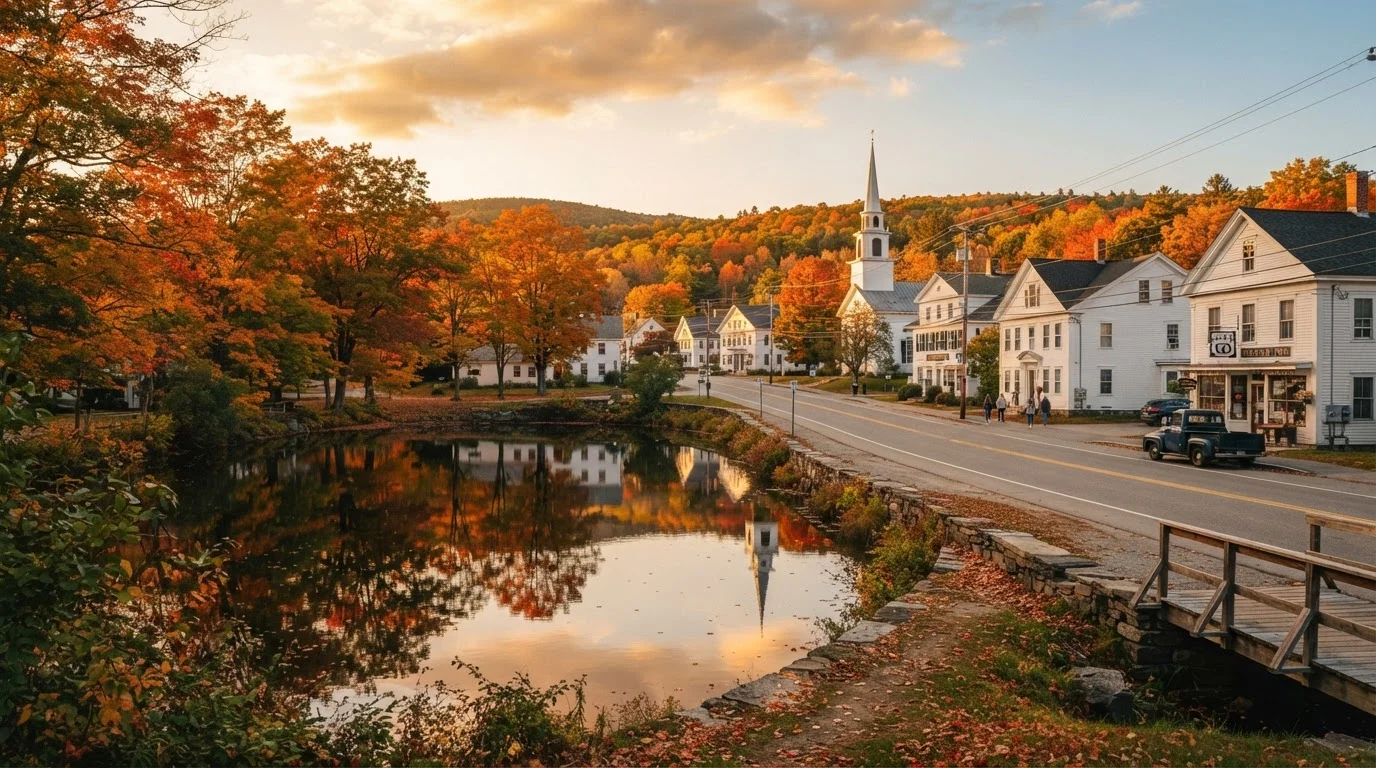
Cape Cod in July and August is a beloved institution - and also a traffic-snarled, fully booked, premium-priced one. September changes the arithmetic noticeably. The water is actually at its warmest (having absorbed a full summer of sun), the beaches thin out after Labor Day, and the towns along Route 6A settle into a quieter rhythm. Seafood shacks have shorter lines; the bike trails along the Cape Cod Rail Trail become a pleasure rather than an obstacle course. October closes many seasonal businesses but rewards visitors who come for the light, the dunes, and the off-season solitude of the National Seashore.
September on Cape Cod offers the warmest ocean water of the year with a fraction of the summer crowd.
New Orleans, Louisiana
New Orleans in summer is a serious heat-and-humidity proposition. The shoulder windows - October through November and March (outside Mardi Gras week) - offer meaningfully more comfortable conditions for walking the French Quarter, exploring the Garden District, and eating your way through a city that rewards slow, on-foot exploration. Fall in particular brings the city into a pleasant groove: locals are out, the festival calendar stays active through Jazz Fest in late spring, and the architecture and street life feel more accessible when you're not retreating into air conditioning every twenty minutes. Weather remains warm and humid even in fall, but the difference from August is significant.
New Orleans is best explored on foot - which makes the cooler months a genuine advantage.
Olympic Peninsula, Washington
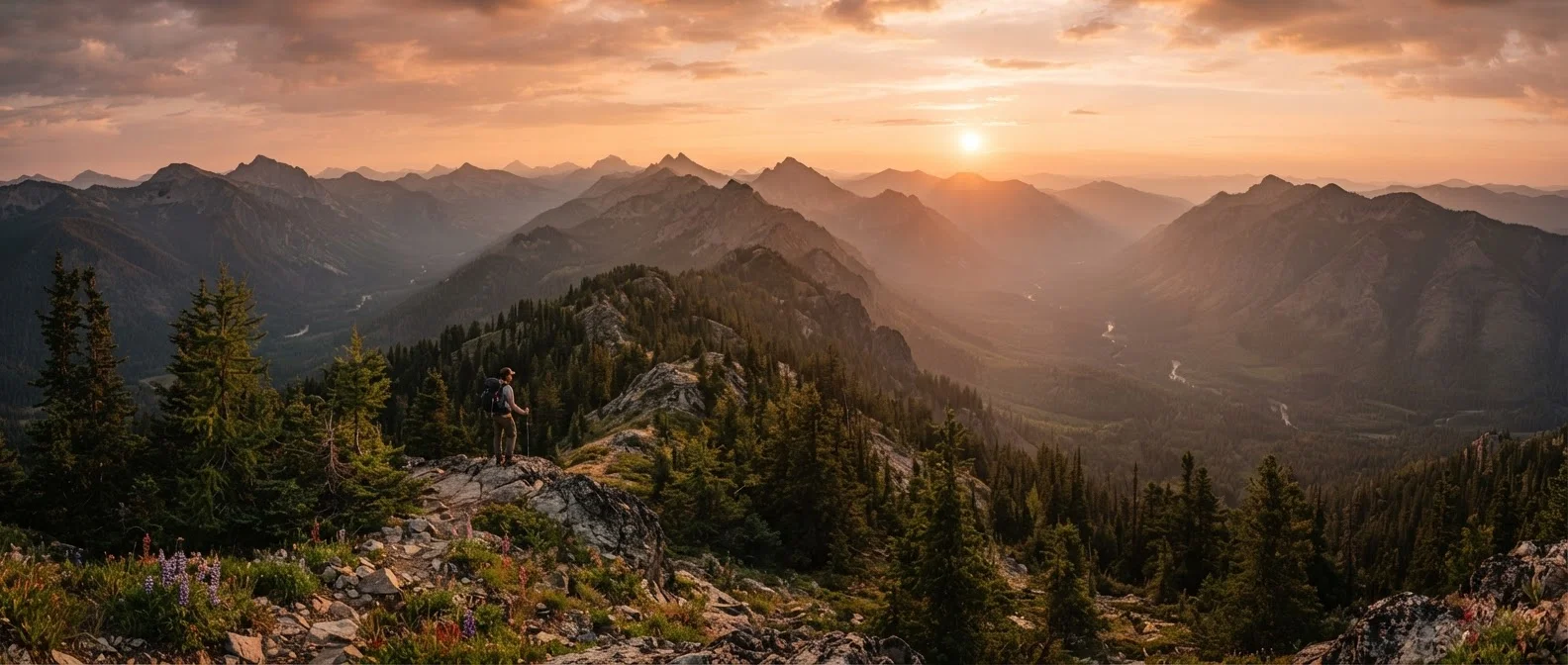
The Olympic Peninsula - encompassing Olympic National Park, the Hoh Rain Forest, and the rugged Pacific coastline - is one of the most ecologically diverse regions in the country. It's also famously rainy, which keeps some travelers away year-round. But late spring (May and June) sits in a narrow window before summer crowds arrive and after the heaviest winter precipitation. Wildflowers bloom in the higher meadows, the rivers run clear, and the temperate rain forest turns an almost implausible shade of green. Fall brings similar conditions with fewer visitors still. Those drawn to lesser-known mountain terrain may also appreciate that the Olympics share the Pacific Northwest with several underappreciated ranges - America's lesser-known mountain ranges are worth exploring beyond the obvious peaks.
Late spring on the Olympic Peninsula offers lush green landscapes just before summer crowds arrive.
Savannah, Georgia
Savannah's historic squares, Spanish moss, and antebellum architecture are appealing year-round, but summer heat and humidity can make long walks through the city genuinely draining. March through April and October through November offer the kind of mild, breezy weather that makes Savannah's outdoor spaces - its defining feature - actually enjoyable. Spring blooms, particularly azaleas, are spectacular in the squares and Bonaventure Cemetery in March. Fall brings cooler evenings and thinner tourist traffic, which helps when navigating the restaurants and galleries clustered around the historic district. It's a walkable city at its core, and shoulder season is when walking it feels most rewarding.
Savannah's famous squares are designed for wandering - which shoulder season finally makes comfortable.
Planning Your Shoulder Season Trip
Every destination on this list rewards a little advance research. Weather in shoulder season is more variable than midsummer, so checking historical climate patterns for your specific travel window - not just general regional averages - makes a real difference. Some years, October in the Smokies peaks early; others, color lingers well into November.
Check Before You Go
Shoulder season conditions vary more than peak-season norms, so check historical weather data for your specific travel weeks rather than relying on general regional descriptions. It's also worth confirming which local attractions, restaurants, or services operate on reduced hours or close seasonally - particularly in coastal and mountain resort towns where off-season schedules can differ significantly from summer operations. Government travel and park websites are reliable sources for seasonal access and conditions information.
It's also worth looking at local event calendars. Shoulder season sometimes overlaps with regional festivals, harvest events, or shoulder-specific programming that adds texture to a trip. For travelers considering longer stretches on the road, extended domestic travel comes with its own logistics worth planning around. And if the US eventually feels like home base for an international extension, it helps to understand how single-country and multi-destination itineraries compare before committing to either.
The goal, ultimately, is a trip that feels like it belongs to you - not to the summer rush.