Why Island Choice Matters More Than You Think
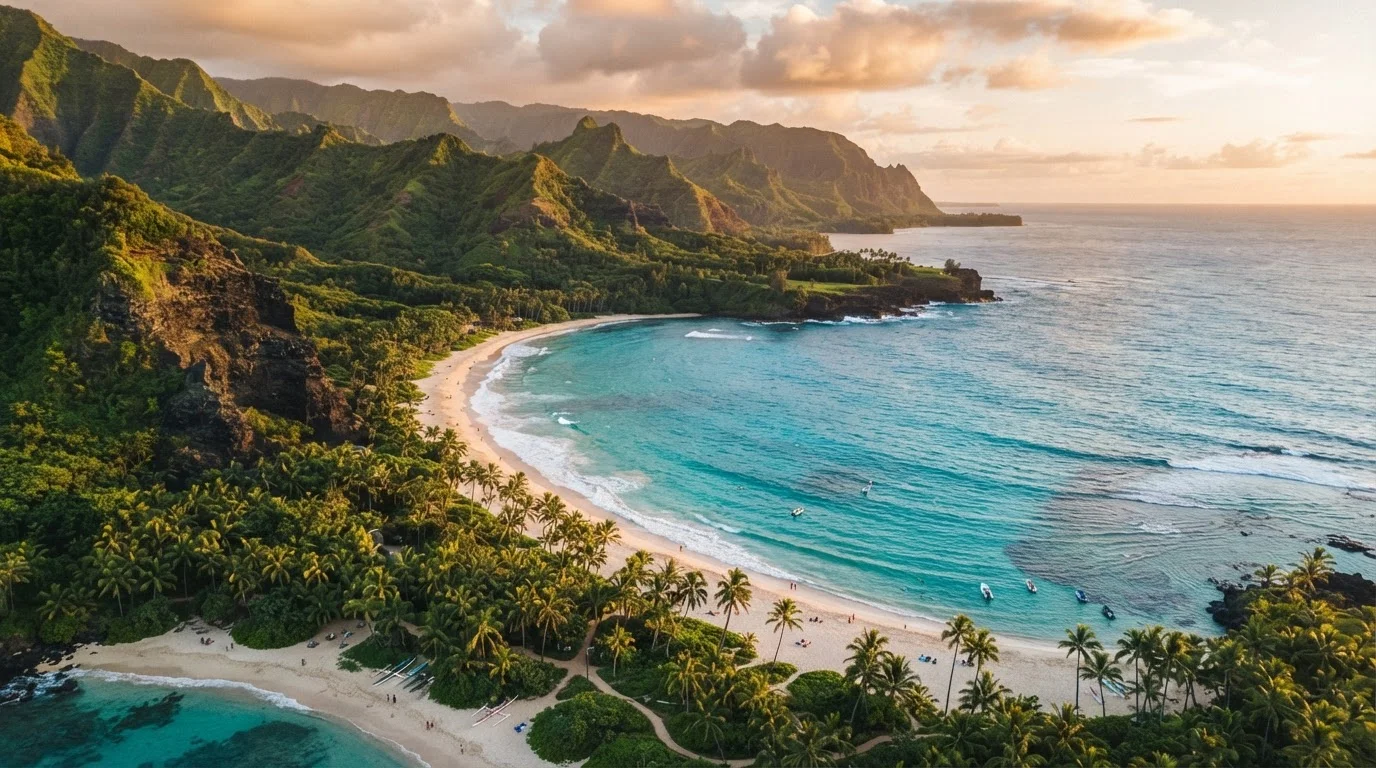
When most people picture Hawaii, they're actually picturing a mashup of several completely different places. The volcanic highlands of the Big Island, the golden resort beaches of Maui, the surf-pounded North Shore of Oahu, the impossibly green sea cliffs of Kauai - these aren't interchangeable backdrops. They're distinct destinations that happen to share a state.
For a first-time visitor, choosing an island isn't a minor booking detail. It shapes nearly everything: the pace of your trip, the activities available, the crowds you'll encounter, and how far your budget will stretch. Treating the decision casually - or defaulting to whichever flight is cheapest - often leads to a trip that doesn't match your expectations.
The good news is that there's genuinely no wrong island. There's just the one that fits your travel style, and finding that match before you book makes an enormous difference. Smart trip planning starts with knowing what each destination actually offers.
Inter-island travel
Moving between Hawaiian islands, almost always by short commercial flights since the ocean distances make ferry travel impractical for most routes.
Windward vs. leeward
On most Hawaiian islands, the windward side (facing northeast trade winds) is wetter and greener; the leeward side (sheltered from wind) tends to be drier and sunnier - where most resort beaches are located.
Haleakalā
A massive dormant volcano on Maui whose summit and crater are protected within a national park. It's one of the most visited natural landmarks in Hawaii.
Nā Pali Coast
A stretch of dramatic sea cliffs on the northwest shore of Kauai, accessible only by boat, helicopter, or a strenuous multi-day hiking trail.
ʻŌlelo Hawaiʻi
The Hawaiian language, which is an official state language of Hawaii alongside English and remains a living part of Hawaiian culture and identity.
A Quick Character Sketch of the Main Islands
Oahu is where most first-timers land, and for good reason. It's the most accessible island, with the widest range of accommodation, dining, and transportation. Waikiki is iconic, and while it's undeniably touristy, it also delivers: the beach is beautiful, the sunsets are real, and Diamond Head crater is a short, rewarding hike. Beyond Waikiki, the North Shore offers a glimpse of a quieter Hawaii, particularly outside peak surf season.
Maui strikes many travelers as the ideal middle ground - beautiful beaches on its western and southern shores, the dramatic Hana Highway along the eastern coast, and the otherworldly summit and crater of Haleakalā. It's busy, especially in winter, but not overwhelming in the way that central Waikiki can feel.
The Big Island is the largest island by far and the most geologically active. Visitors can stand near active lava flows within Hawaiʻi Volcanoes National Park, snorkel with manta rays at night, and drive from tropical coast to snow-dusted summit within a single day. It rewards travelers who are comfortable renting a car and covering distance.
Kauai is often described as the most naturally beautiful of the major islands - the Nā Pali Coast is genuinely breathtaking - but it has fewer resort amenities and can feel quieter and more remote. It suits travelers who prefer hiking, kayaking, and scenery over nightlife or shopping.
One Island, Done Well, Beats Four Done Quickly
Resist the urge to plan an ambitious island-hopping itinerary on your first visit. Spending five or more nights on a single island lets you settle in, explore beyond the tourist highlights, and actually rest. Many travelers who rush through multiple islands on their first trip say they wish they'd slowed down.
Inter-Island Travel: What First-Timers Often Underestimate
The idea of hopping between islands sounds effortless - and the flights are indeed short, often just 30 to 45 minutes in the air. But the full picture includes airport check-in on both ends, baggage claim, and getting to or from each airport by car or shuttle. A single inter-island move can quietly swallow most of a travel day.
There's also the financial reality. Inter-island airfare adds up, and if you're renting a car on multiple islands, you'll pay separate pickup and drop-off fees for each. Accommodation transitions mean packing and repacking, which wears on even experienced travelers.
For a first trip of seven to ten days, many travel writers and experienced Hawaii visitors suggest choosing one island and exploring it thoroughly rather than skimming across three or four. If you have two weeks and strong organizational skills, two islands can work well - particularly a combination like Oahu plus Maui, or Maui plus Kauai. Thinking through the single destination versus multi-stop question is worth the time before you book anything.
Setting Realistic Expectations Before You Arrive
Hawaii is extraordinary, but it's also a real place with real logistics. Traffic on Oahu between Honolulu and the North Shore can be genuinely slow. Road to Hana on Maui is narrow, winding, and takes far longer than the mileage suggests. Some of the most scenic spots on every island require hiking on uneven terrain, and ocean conditions can make swimming unsafe on days that look deceptively calm from the shore. Always check posted advisories at beaches before entering the water.
Costs deserve a frank mention. Hawaii is consistently among the most expensive domestic destinations. Groceries, dining, accommodation, and car rental all carry significant premiums. Budgeting conservatively and booking accommodation early - especially for travel during winter or summer peak periods - is not optional advice; it's practical necessity.
Cultural context matters too. Native Hawaiian culture is living and present, not a resort backdrop. Visiting sacred sites, natural areas, and community spaces with genuine respect - following posted rules, not touching or removing natural materials, learning a few words of ʻŌlelo Hawaiʻi - makes for a more meaningful experience and a more responsible one. If this is part of a broader interest in travel preparation, first-trip essentials that apply beyond Hawaii are worth reviewing too.
Hawaiʻi Volcanoes National Park
The official National Park Service site provides current conditions, trail closures, and visitor guidance for one of Hawaii's most dramatic natural destinations on the Big Island.
Hawaii Tourism Authority
The state's official tourism body offers destination information across all islands, including cultural guidance and responsible travel resources for visitors.
Travel Planning Hub
Practical guidance on budgeting, packing, and organizing trips efficiently - useful alongside any specific destination research.