Why an Annual Vehicle Audit Matters
Most drivers pay close attention to their cars when something goes wrong - a warning light, an unexpected noise, a renewal notice in the mail. But waiting for problems to surface is a reactive approach that often costs more in the long run. An annual self-audit puts you in control, turning scattered obligations into one structured review you can complete in a single sitting.
Think of it as a financial and logistical checkup for one of your household's largest assets. As part of a broader approach to responsible ownership - covered in detail in our guide to the full picture of car ownership - an annual review ensures your insurance stays appropriate, your paperwork stays current, and your maintenance stays on track.
This checklist is designed for everyday vehicle owners. Work through it once a year, ideally around the same time each year - near your policy renewal date or registration anniversary works well as a natural anchor.
Vehicle Owner's Manual
Reference for manufacturer-recommended service intervals, fluid specifications, and maintenance schedules.
Auto Insurance Declarations Page
Confirms your current coverage types, limits, deductibles, and policy expiration date.
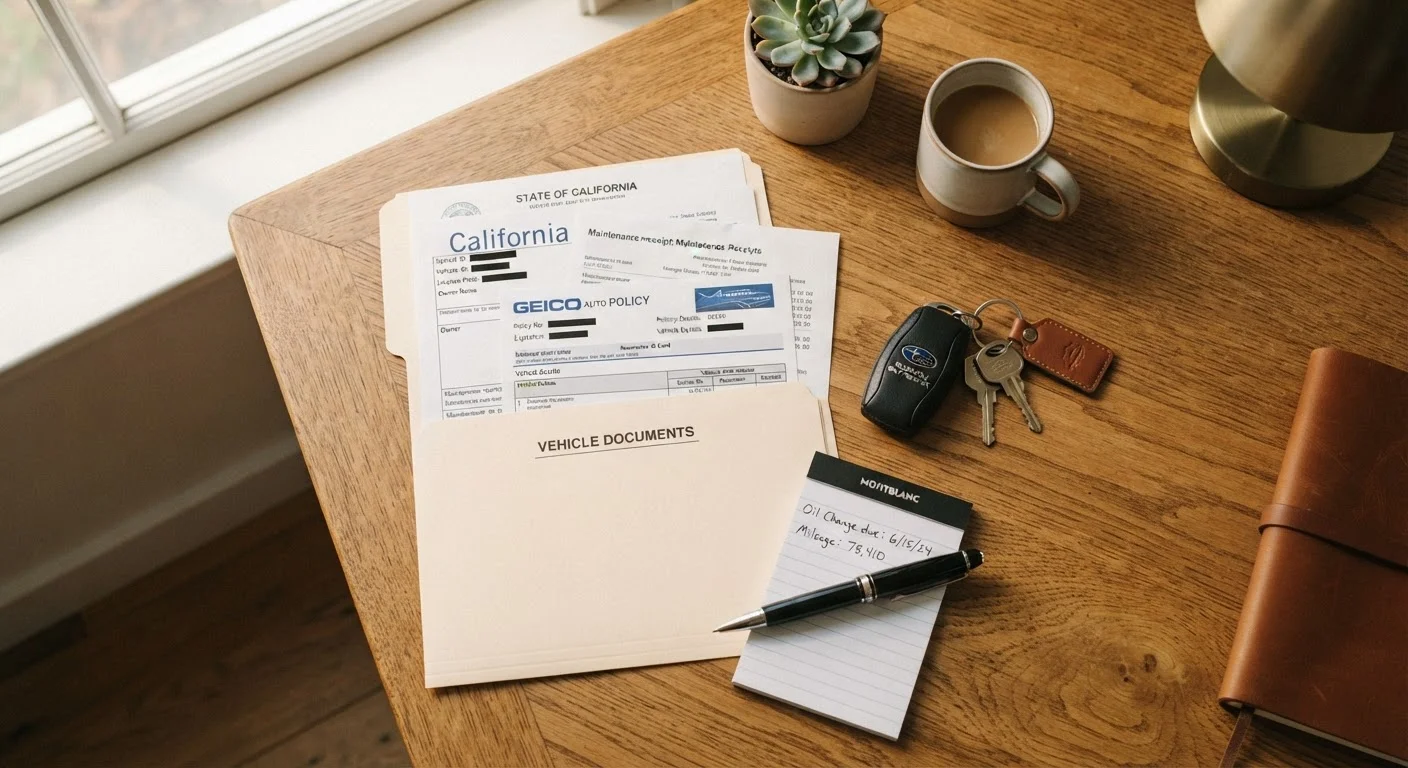
Vehicle Title and Registration Documents
Required to verify legal ownership status, lien holder information, and registration currency.
Past Maintenance and Repair Receipts
Provides a service history record to identify completed and outstanding maintenance items.
Automotive Valuation Tool
Helps estimate your vehicle's current market value as part of a cost-of-ownership assessment.
Household Budget Spreadsheet or App
Useful for tallying annual vehicle expenses and comparing them against your overall financial picture.
Insurance Coverage Review
Auto insurance is often set once and forgotten. But your coverage needs can shift significantly from year to year based on how much you drive, your vehicle's depreciated value, changes in your household, and evolving state minimum requirements. Use this section to make sure your policy reflects your actual situation.
Insurance Coverage
Maintenance Records
Registration and Legal Documents
Total Cost of Ownership
If you find your policy is due for review, contact your insurer directly to discuss adjustments. This checklist provides general guidance only - it is not personalized insurance advice. Coverage terms, exclusions, and minimums vary by state and provider, so always read your actual policy documents and consult a licensed agent for decisions specific to your circumstances.
Don't Let Coverage Gaps Go Unnoticed
A policy that made sense when your vehicle was new may leave you underinsured after several years of depreciation, changed driving habits, or updated state requirements. Driving with insufficient coverage - or allowing a policy to lapse - can expose you to significant out-of-pocket costs and legal penalties. If your circumstances have changed materially, speak with a licensed insurance agent rather than assuming your existing policy still fits.
Maintenance Records and Vehicle Condition
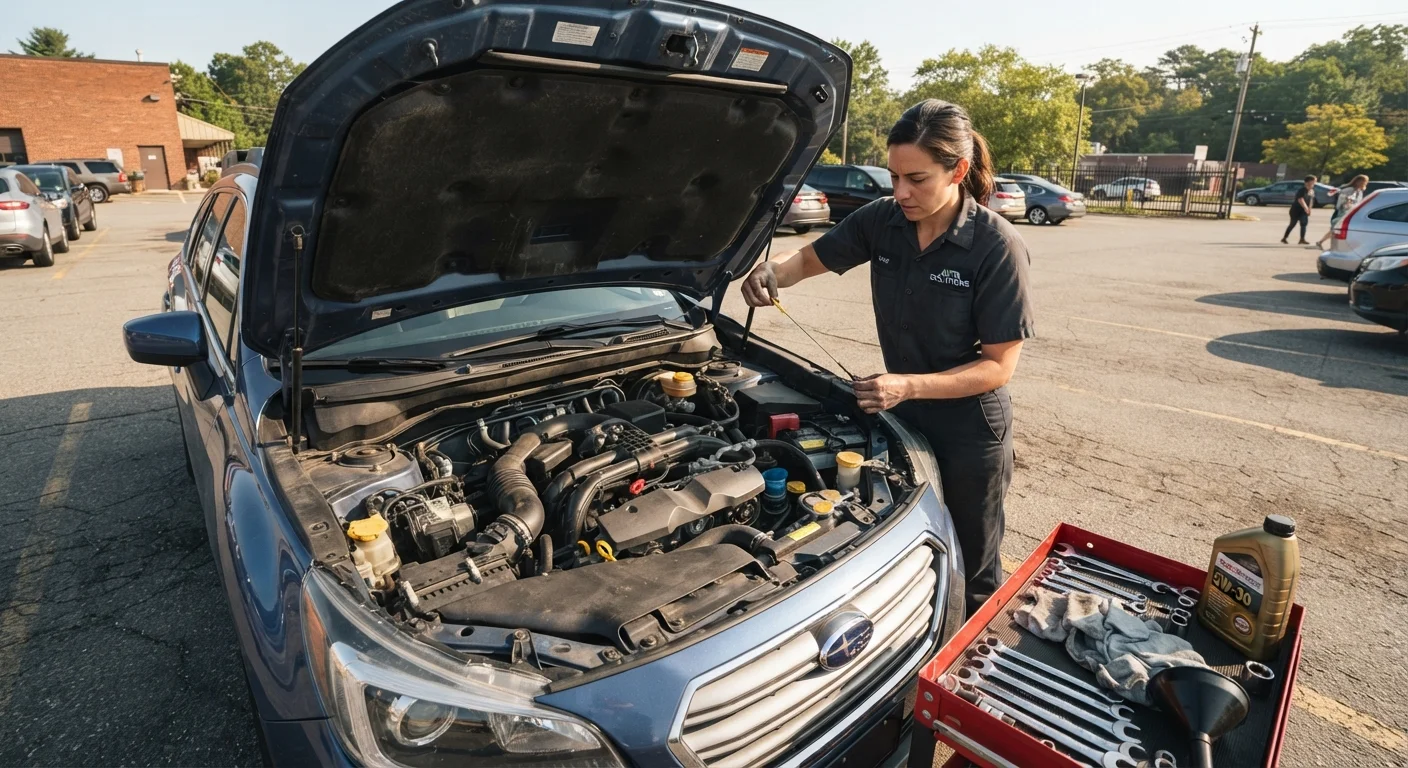
Consistent maintenance is the single most effective way to extend a vehicle's useful life and avoid expensive emergency repairs. An annual review of your maintenance history reveals which services are overdue, which are coming up, and whether your vehicle is being kept to manufacturer standards - something that matters both for safety and for resale value.
Our car maintenance hub covers essential upkeep in detail. Before your next long drive, also consider running through the vehicle readiness checklist to make sure you're trip-ready.
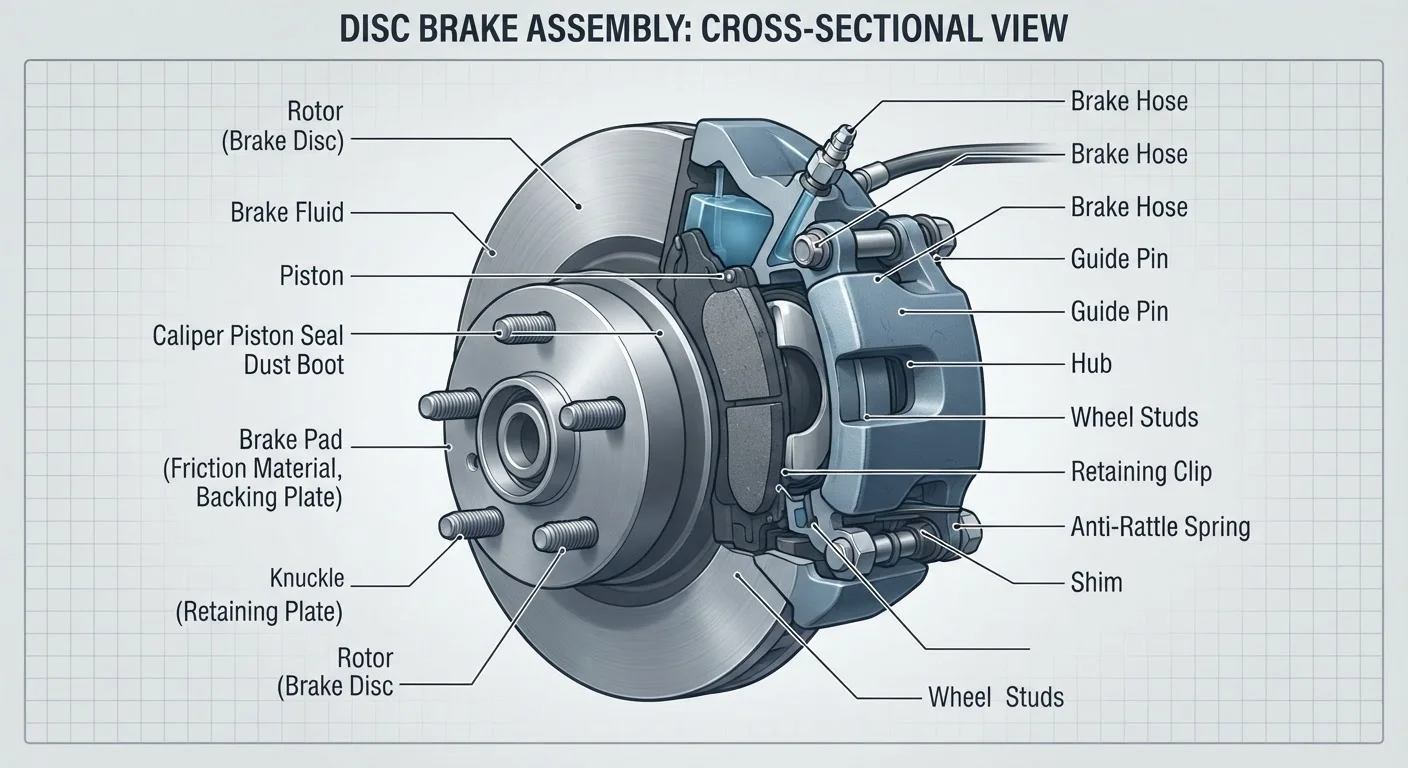
Note: some maintenance tasks - particularly those involving brakes, suspension components, fuel systems, or electrical systems - should be performed by a qualified mechanic. Do not attempt repairs beyond your skill level, as improper work can create safety hazards or void warranties.
Ownership Documents, Registration, and Title
Vehicle paperwork is easy to overlook until you need it urgently - during a traffic stop, a sale, or a loan application. Take time each year to verify that every document is current, accessible, and accurate.
Keeping your ownership records organized also simplifies the kind of annual financial review recommended in the annual financial planning checklist for American households. Vehicles represent a significant asset and ongoing liability - they deserve a line item in your broader financial picture.
Total Cost of Ownership Assessment
Understanding what your vehicle actually costs each year - beyond the car payment - is essential for sound financial decision-making. When all expenses are tallied and compared against your vehicle's current market value and condition, you gain the clearest possible signal about whether to continue investing in it or plan for a transition.
Common ownership cost categories to tally annually include: loan or lease payments, insurance premiums, fuel, routine maintenance and repairs, registration and inspection fees, parking and tolls, and any depreciation in market value. There is no single threshold that makes a vehicle worth keeping or replacing - that determination depends on your financial situation, risk tolerance, and alternatives available to you. Consult a financial professional if you're navigating a major vehicle decision alongside other household financial pressures.
This article is for general informational purposes only and does not constitute insurance, financial, or legal advice. Coverage requirements, registration rules, and inspection standards vary by state. Consult qualified professionals for guidance specific to your situation.