Why Bumper-to-Bumper Maintenance Matters
A modern vehicle contains thousands of interconnected components. When one system is neglected, the stress often transfers to others - a slow coolant leak can overheat an engine; worn shocks accelerate tire wear; a weak battery can cause erratic electronics. Understanding your car as a whole system, rather than a collection of isolated parts, is the first step toward avoiding unexpected breakdowns.
AAA research has consistently found that vehicle breakdowns are among the most common causes of roadside emergencies in the U.S., and the majority are attributable to deferred maintenance. Staying ahead of service intervals isn't just about cost savings - it's a meaningful safe driving practice. This guide walks through every major vehicle system so you know what to watch, when to act, and when to call a qualified mechanic.
Engine and Fluids
The engine is the heart of your vehicle, and its longevity depends almost entirely on clean, adequate fluids.
Engine Oil
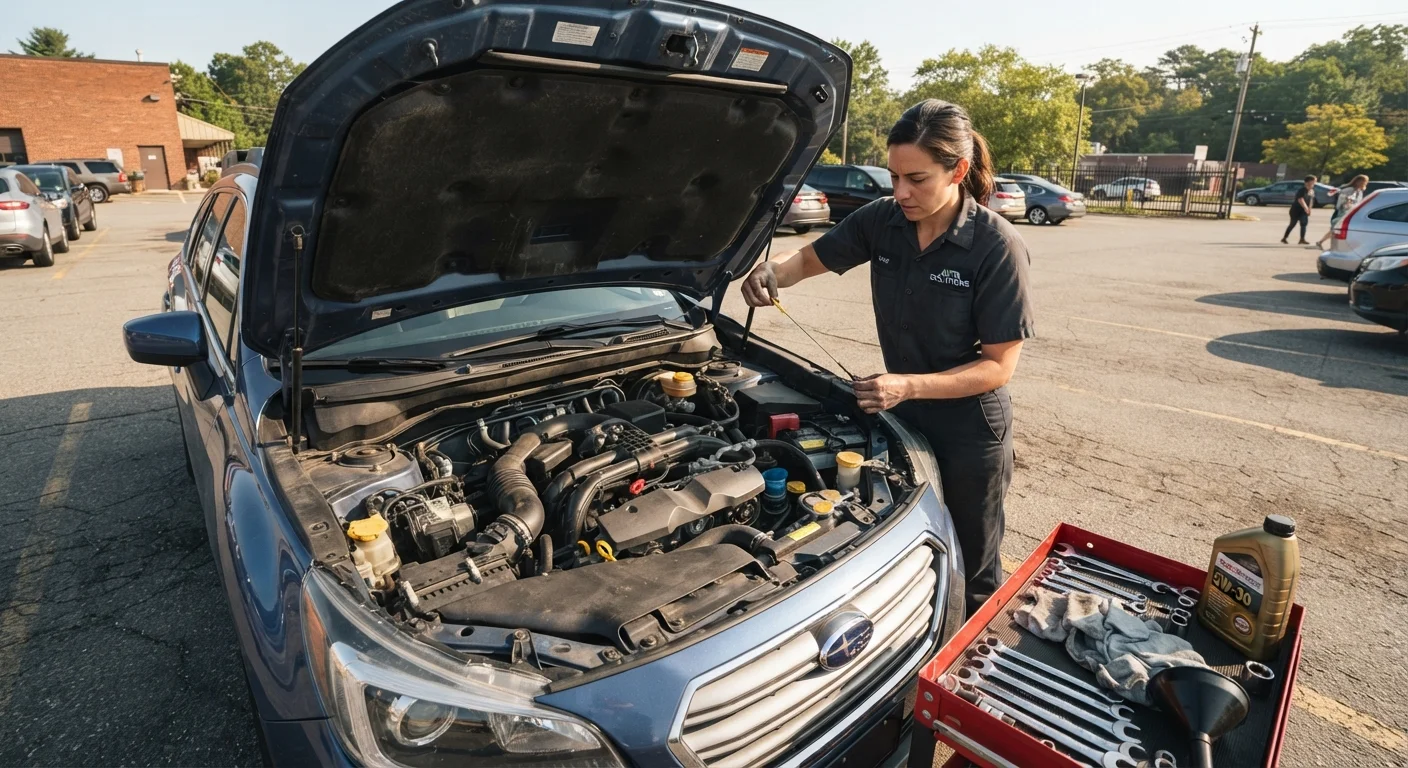
Oil lubricates moving metal parts and carries heat away from the engine. As it ages, it degrades and accumulates contaminants. Most modern vehicles with synthetic oil can go 5,000-10,000 miles between changes, but always defer to your owner's manual - not general rules of thumb. Check the oil level monthly using the dipstick with the engine cold.
Coolant
Coolant (antifreeze) regulates engine temperature and prevents corrosion inside the cooling system. Most manufacturers recommend a full flush every 30,000-50,000 miles, though extended-life formulas can last longer. Low coolant is a serious warning sign - have the system inspected for leaks immediately.
Transmission, Power Steering, and Brake Fluid
Transmission fluid keeps gear shifts smooth; degraded fluid can cause slipping or hard shifts. Brake fluid is hygroscopic - it absorbs moisture over time - which lowers its boiling point and can compromise braking effectiveness. Power steering fluid (on non-electric systems) should also be checked periodically for level and discoloration. None of these fluids should be ignored simply because they don't need attention as often as engine oil.
Always warm your engine for 30-60 seconds before driving in cold weather - but avoid extended idling. Modern engines reach optimal operating temperature faster when driven gently than when left idling.
Oil circulation improves rapidly once the engine is under load; prolonged idling in cold conditions can actually increase wear on cylinder walls in fuel-injected engines.
When checking tire pressure, do it when the tires are cold - before you've driven more than a mile. Driving heats the air inside tires and raises the reading by 4-6 PSI, which can lead you to underinflate.
The recommended PSI on your door jamb sticker is always a cold-inflation figure; matching it under hot conditions leads to chronically low pressure and accelerated wear.
Brakes, Tires, and Suspension
These three systems are your most direct connection to road safety. All three degrade gradually, which means problems can sneak up on drivers who aren't paying attention.
Brakes
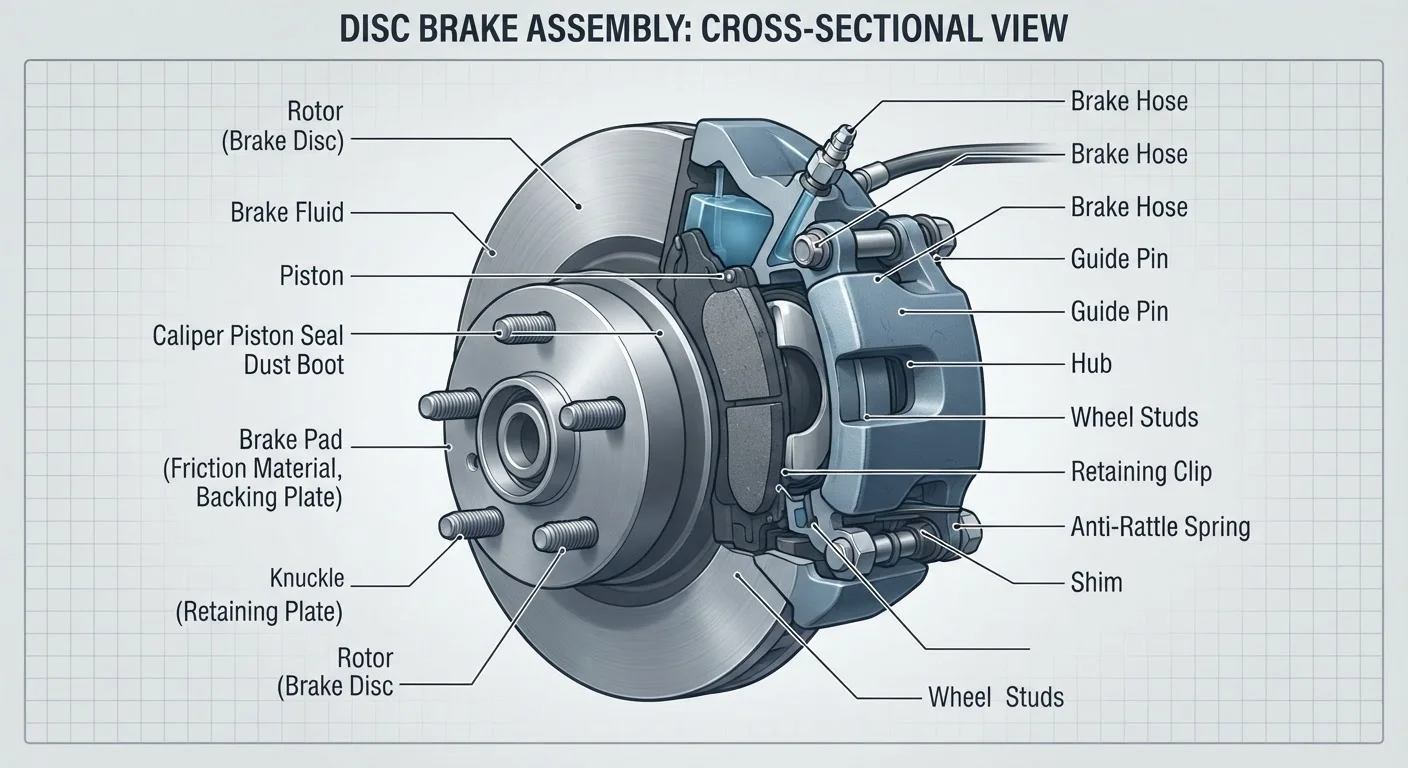
Brake pads typically last 30,000-70,000 miles depending on driving style and vehicle weight. Squealing indicates wear indicators are contacting the rotor; grinding means metal-on-metal contact - a situation requiring immediate attention from a qualified mechanic. Have pads, rotors, and brake lines inspected annually or at every tire rotation.
Tires
Check tire pressure monthly (including the spare) using a quality gauge - not the reading from a gas station pump alone. The correct pressure is listed on the driver's door jamb sticker, not the tire sidewall. Use the penny test for tread depth: if you can see the top of Lincoln's head when inserting a penny tread-side down, the tire is worn below the safe threshold (2/32 inch). Rotate tires every 5,000-7,500 miles to promote even wear.
Suspension and Steering
Worn shocks or struts cause longer stopping distances, uneven tire wear, and reduced handling precision - risks that aren't always obvious until a panic stop reveals the problem. Signs include excessive bouncing after bumps, pulling to one side, or a clunking noise over rough roads. Have the suspension inspected if any of these symptoms appear.
Don't Ignore Dashboard Warning Lights
A check engine light, brake warning light, or oil pressure indicator should never be dismissed as a minor nuisance. These systems exist to flag problems before they escalate into serious - and expensive - failures. If a warning light appears, have the vehicle diagnosed by a qualified mechanic promptly rather than continuing to drive and hoping it resolves on its own.
Electrical, Filters, and Belts
These systems are easy to forget because they rarely demand immediate attention - until they fail completely.
Battery
Most automotive batteries last 3-5 years. Have yours tested annually once it exceeds three years of age, especially before winter. Cold weather significantly reduces battery capacity. Corroded terminals are a common cause of starting issues and can usually be cleaned, but a swollen or leaking battery requires replacement by a professional.
Air and Cabin Filters
The engine air filter prevents dust and debris from entering the intake; a clogged filter reduces fuel efficiency and performance. Replace it every 15,000-30,000 miles or as specified. The cabin air filter - which cleans air entering the passenger compartment - is often overlooked; most manufacturers recommend annual replacement or every 12,000-15,000 miles.
Timing Belt and Serpentine Belt
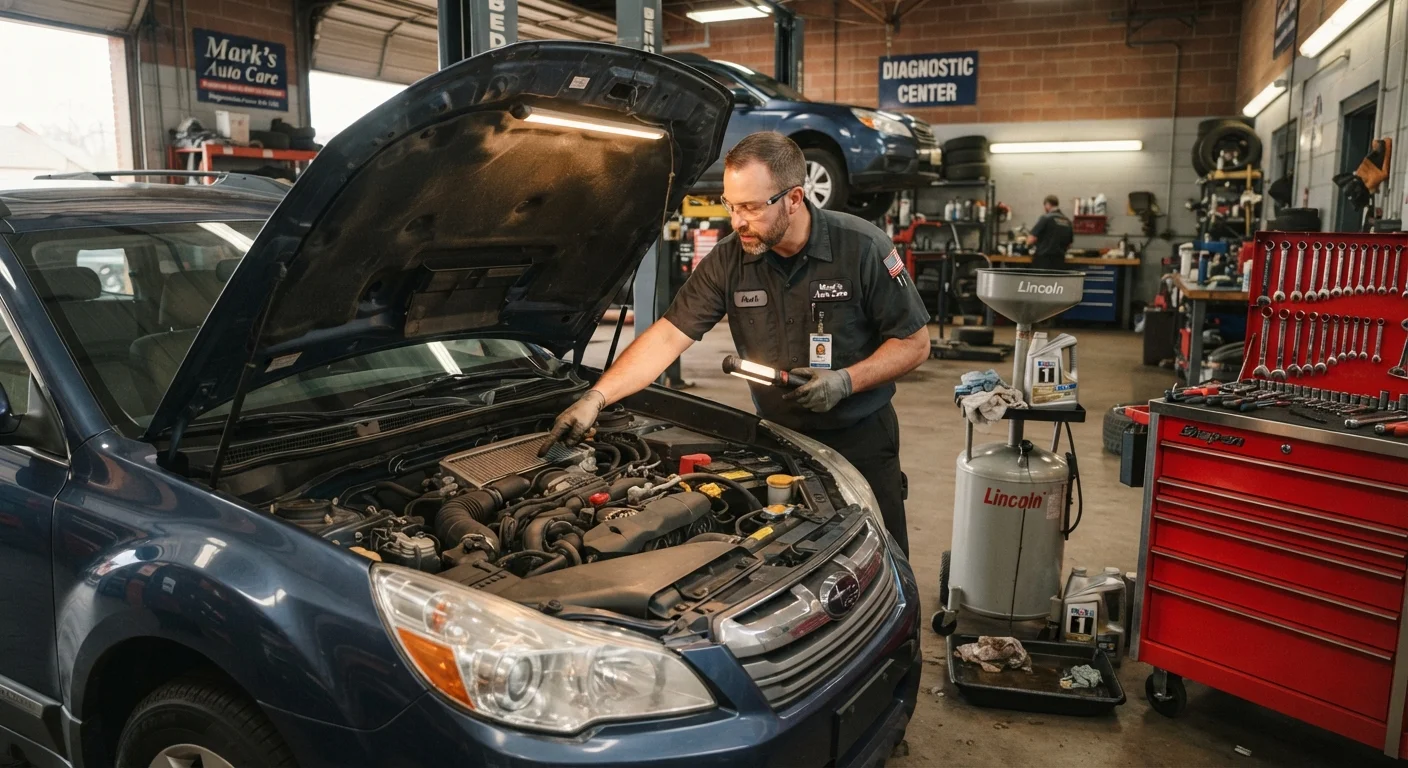
The timing belt (or chain on many modern engines) synchronizes the crankshaft and camshaft. Belt failure can cause catastrophic engine damage in interference engines. Check your owner's manual for the replacement interval - commonly 60,000-100,000 miles for belts. The serpentine belt drives accessories like the alternator and power steering pump; inspect it for cracking or fraying during every oil change.
For a broader view of ownership responsibilities beyond maintenance, see the full picture of car ownership.
Building a Maintenance Schedule That Works
The most effective maintenance strategy combines your owner's manual with a simple tracking system. Your manual contains manufacturer-specified intervals based on your vehicle's actual engineering - it should always be your primary reference, ahead of generic industry guidelines or service advisor recommendations.
35%
Breakdowns linked to maintenance neglect
AAA roadside assistance data has repeatedly shown that a significant share of vehicle breakdowns could have been prevented with routine maintenance.
5,000-10,000 mi
Typical synthetic oil change interval
Manufacturer recommendations vary widely; always check your owner's manual rather than defaulting to a generic 3,000-mile rule.
3-5 years
Average automotive battery lifespan
Battery performance degrades gradually; annual testing after year three is widely recommended by automotive service professionals.
Keep a Maintenance Log
Record the date, mileage, service performed, and shop or DIY notation for every maintenance event. A simple notebook in the glove box, a spreadsheet, or a dedicated app all work equally well. This log supports warranty claims, demonstrates due diligence if a dispute arises, and is a genuine asset when selling the vehicle.
Distinguish Mileage from Time
Even light drivers need to follow time-based intervals. Engine oil degrades even when a car sits; brake fluid absorbs moisture regardless of miles driven; belts can crack from age alone. Many manufacturer intervals are expressed as whichever comes first - miles or months.
Annual Review
Once a year, conduct a full review of every system covered in this guide. This pairs naturally with the kind of structured approach outlined in our annual vehicle ownership audit - a practical checklist that extends beyond maintenance into insurance, registration, and ownership costs.
Consistent, proactive attention to your vehicle isn't complicated - it's simply the habit of treating small tasks seriously before they become large failures. Every system covered here is part of the same machine, and understanding it from bumper to bumper puts you firmly in control of your ownership experience. See our vehicle ownership resource hub for further guidance on managing every aspect of owning a car in the U.S.