
The True Cost of Owning a Car
Most drivers think of car ownership in terms of the purchase price or monthly loan payment - but the full financial picture is considerably broader. According to the American Automobile Association (AAA), the average annual cost to own and operate a new vehicle in the U.S. has exceeded $10,000 in recent years when all expenses are counted together.
Those expenses include:
- Depreciation: New vehicles typically lose 15-25% of their value in the first year alone. This is the single largest cost most owners overlook.
- Fuel: Varies by vehicle type, driving habits, and local prices, but represents a significant recurring expense for most households.
- Financing costs: Interest paid on an auto loan adds meaningful cost above the vehicle's sale price over the loan term.
- Insurance premiums: Required by law in nearly every state and priced based on driver history, location, coverage level, and the vehicle itself.
- Registration and taxes: Annual or biennial fees that vary widely by state.
- Maintenance and repairs: Both scheduled upkeep and unexpected repairs across the vehicle's life.
$10,000+
Average annual cost to own and operate a new vehicle
According to AAA's annual Your Driving Costs study, which factors in depreciation, fuel, insurance, maintenance, and financing.
15-25%
Typical first-year depreciation on a new car
Industry data from sources including Edmunds and Kelley Blue Book consistently show new vehicles lose significant value within the first 12 months.
~49 million
Uninsured motorists on U.S. roads (estimated)
The Insurance Research Council has estimated that roughly one in eight drivers in the U.S. operates without auto insurance.
Understanding these costs before and during ownership allows you to budget realistically rather than absorb surprise expenses.
Legal and Registration Obligations
Car ownership in the U.S. comes with a set of legal obligations that vary by state but share common requirements. Failing to meet them can result in fines, license suspension, or impoundment.
Vehicle Registration
Every vehicle operated on public roads must be registered with your state's department of motor vehicles (or equivalent agency). Registration must typically be renewed annually or biennially, and many states tie renewal to emissions or safety inspections. Moving to a new state generally requires re-registration within 30-90 days - check your new state's specific rules.
Title and Liens
Your vehicle title establishes legal ownership. If you financed the purchase, the lender typically holds the title (or is listed as a lienholder) until the loan is paid off. Keep your title documentation secure; replacing a lost title requires a formal application and fee.
Driver's License Validity
Operating a vehicle with an expired license is a legal violation in every state. Set a calendar reminder well ahead of your license expiration date, especially if renewal requires an in-person visit or vision test.
Don't Let Registration or Inspection Lapse
Driving with expired registration or a failed inspection sticker can result in traffic citations, fines, and in some states, vehicle impoundment. Some states also suspend your driving privileges for registration lapses tied to insurance non-compliance. Set reminders well ahead of each deadline - not on the day it expires.
Insurance: What You Need and Why
Auto insurance is both a legal requirement and a critical financial safety net. Nearly every U.S. state mandates at minimum liability coverage - which pays for damage or injuries you cause to others in an at-fault accident. However, minimum legal coverage often falls well short of what's needed to protect your own finances in a serious accident.
Common coverage types to understand:
- Liability: Covers bodily injury and property damage you cause to others. Required in most states.
- Collision: Covers damage to your own vehicle from a collision, regardless of fault.
- Comprehensive: Covers non-collision damage such as theft, weather events, or falling objects.
- Uninsured/underinsured motorist: Protects you if the at-fault driver has no insurance or insufficient coverage.
- Personal injury protection (PIP): Required in no-fault states; covers medical expenses regardless of fault.
Coverage terms, exclusions, and premiums vary significantly by provider and by state. Always read your policy documents carefully, and consult a licensed insurance agent for guidance specific to your situation. This article provides general educational information, not personalized insurance advice.
Maintenance Habits That Protect Your Investment
A vehicle is a mechanical system with finite tolerances - consistent maintenance is what keeps those tolerances in range. Neglecting routine service doesn't just shorten a vehicle's life; it converts small, inexpensive problems into large, expensive ones.
Core maintenance priorities for most vehicles include:
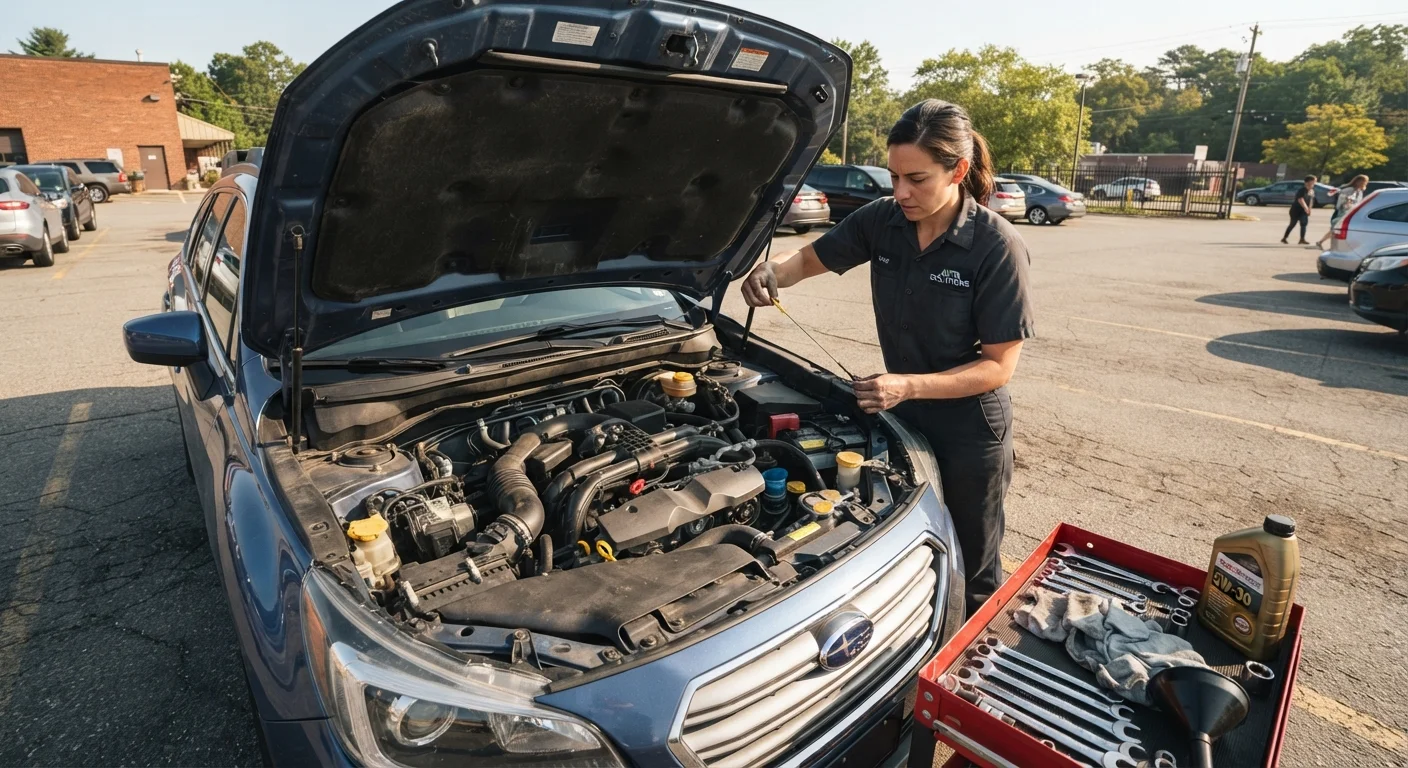
- Oil and filter changes: Follow your owner's manual interval, not the old universal "3,000-mile" rule, which is outdated for most modern engines.
- Tire pressure and rotation: Proper inflation improves fuel efficiency and safety; rotation extends tire life and promotes even wear.
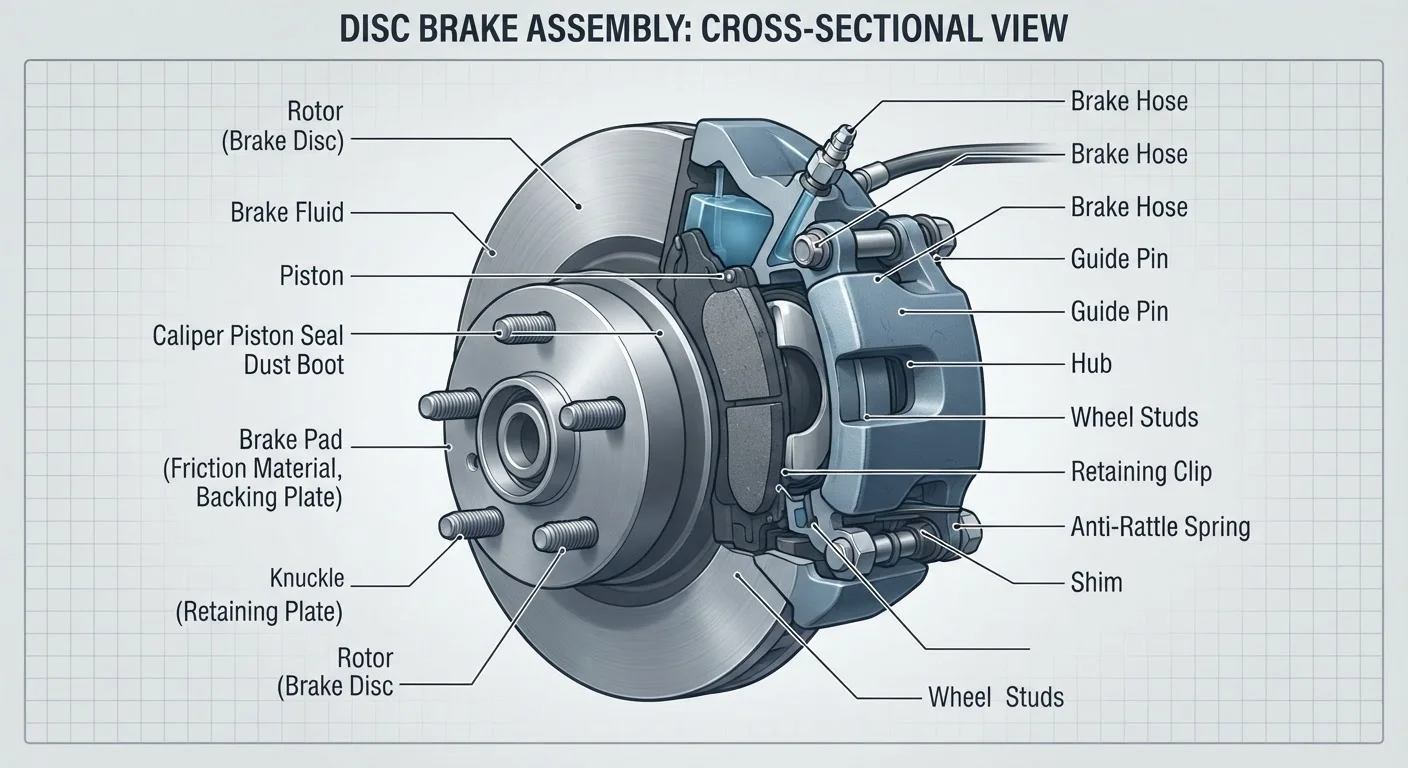
- Brake inspection: Brake pads, rotors, and fluid should be inspected regularly. Delaying brake service is a safety risk, not just a maintenance gap.
- Coolant, transmission fluid, and other fluids: Each has a service interval; letting them degrade accelerates component wear.
- Battery: Most automotive batteries have a 3-5 year service life. Testing before failure - especially before winter - avoids unexpected breakdowns.
Consult your owner's manual - not the oil change sticker - to determine your vehicle's actual service intervals. Many modern engines with synthetic oil can go 7,500 to 10,000 miles between changes.
Following manufacturer-specified intervals rather than outdated rules prevents both under-servicing and unnecessary expense, and keeps warranty coverage intact.
Before any major repair estimate, ask the shop for a written quote itemizing parts and labor separately. Then verify part prices against a reputable parts retailer to confirm the markup is reasonable.
Repair transparency protects against overcharging. Understanding what you're paying for - and why - is a basic ownership skill that pays off repeatedly over a vehicle's life.
For a deeper resource on keeping your vehicle in top condition, explore the car maintenance hub, which covers essential upkeep topics in detail.
Keeping Ownership Organized Year to Year
One of the most overlooked aspects of car ownership is documentation and periodic review. Owners who track their costs, service records, and policy details consistently are better positioned to catch overpayments, spot emerging mechanical issues, and make informed decisions about when to repair versus replace.
Practical habits to adopt:
- Keep a folder - physical or digital - with your title, insurance declarations page, registration, and service receipts.
- Log every maintenance visit with the mileage and work performed. This record adds value at resale and helps identify patterns.
- Review your insurance coverage annually. Life changes (new address, added driver, paid-off loan) can affect the coverage you need.
- Check registration renewal deadlines and inspection requirements well in advance, especially if your state requires a passing emissions test before renewal.
An annual self-review of your vehicle costs and obligations is a smart practice for any owner. The annual vehicle ownership audit provides a structured checklist to walk through insurance, maintenance, registration, and costs in one organized review.
This article is for general informational and educational purposes only. It does not constitute financial, legal, or insurance advice. Consult qualified professionals for guidance specific to your situation.