Why Car Maintenance Myths Persist - and Why They're Costly
Car ownership advice is passed down through generations, repeated at gas stations, and shared confidently in parking lots. The problem is that much of it dates from an era of carbureted engines, conventional oil, and vehicles with far shorter lifespans. Modern cars are engineered to different standards, and clinging to outdated habits doesn't protect your vehicle - it drains your wallet.
Misguided maintenance decisions can cost drivers hundreds of dollars per year in unnecessary services, premature part replacements, and overlooked repairs. Understanding which practices are evidence-based and which are automotive folklore is one of the most practical things a car owner can do. For a broader look at the financial side of ownership, the Vehicle Ownership hub covers insurance, costs, and smarter decisions across the ownership lifecycle.
Myth
You need to change your oil every 3,000 miles, no matter what.
Fact
Most modern vehicles and synthetic oils can go 5,000 to 10,000 miles or more between changes, depending on the manufacturer's specification.
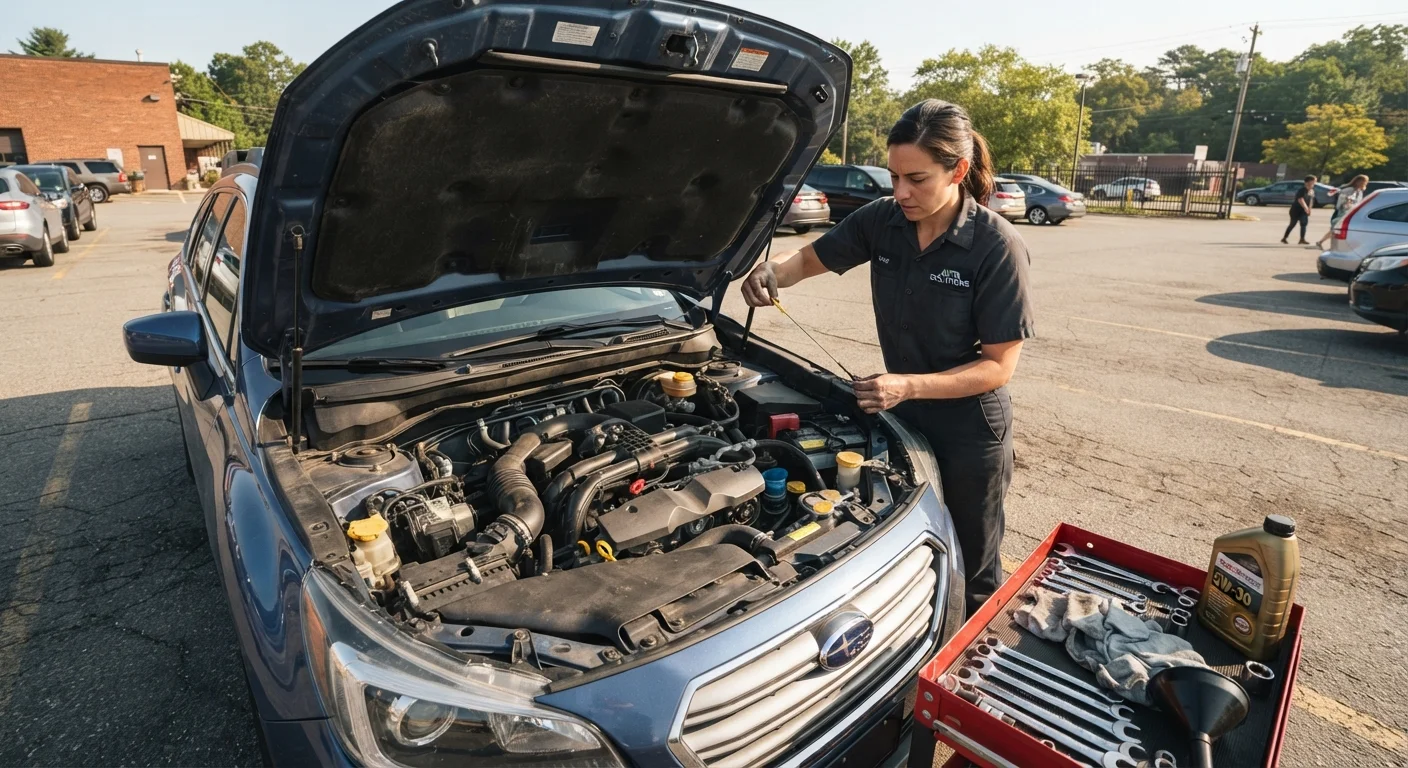
The 3,000-mile rule was a reasonable guideline decades ago when conventional motor oil degraded faster and engine tolerances were looser. Today's synthetic and synthetic-blend oils are engineered for longer service life, and modern engines are built to tighter specifications that produce less contamination. Following your owner's manual interval - not a generic blanket rule - is the correct approach. Changing oil more frequently than required wastes money and generates unnecessary waste oil without providing any measurable engine benefit. For a deeper look at what actually happens when oil changes are delayed, see what skipping oil changes does to your engine.
Myth
Premium gasoline gives any car better performance and fuel economy.
Fact
Premium fuel only benefits engines specifically engineered to require it. In vehicles designed for regular fuel, premium provides no performance gain.
Premium fuel has a higher octane rating, which resists engine knock (premature ignition) in high-compression or turbocharged engines that demand it. If your vehicle's manufacturer specifies regular 87-octane fuel, running premium is not an upgrade - it's an unnecessary expense. The engine's computer isn't calibrated to extract additional power from higher-octane fuel in these cases. Check your fuel door or owner's manual: "required" means you must use premium; "recommended" means the engine can run on regular but may perform slightly better with premium under certain conditions. Most everyday commuter vehicles fall into neither category.
Myth
You should let your car warm up by idling for several minutes before driving in cold weather.
Fact
Modern fuel-injected engines warm up faster and more efficiently under light load than they do sitting at idle.
Extended idling to warm up an engine made sense for older carbureted vehicles, which needed time to reach an optimal fuel mixture. Today's engines use electronic fuel injection and onboard sensors that adjust instantly to temperature. Idling for more than 30 seconds in most conditions is unnecessary and actually prolongs the time the engine spends running rich (using excess fuel), which can wash oil from cylinder walls over time. Driving gently for the first few minutes - avoiding aggressive acceleration until the temperature gauge begins to rise - is the recommended approach. It saves fuel and reduces unnecessary engine wear.
Myth
Inflate your tires to the PSI number printed on the tire sidewall.
Fact
The sidewall number is the maximum pressure the tire can safely hold - not the recommended operating pressure for your vehicle.
The correct tire pressure for your specific vehicle is listed on a sticker inside the driver's door jamb or in the owner's manual. It accounts for the vehicle's weight distribution, suspension design, and ride characteristics. Inflating tires to the maximum sidewall pressure results in overinflation, which reduces the contact patch with the road, causes uneven tread wear in the center of the tire, and produces a harsher, less controlled ride. Underinflation carries its own risks, including increased rolling resistance, heat buildup, and blowout potential. Check pressure monthly with a reliable gauge, and always use your vehicle's specification as the target.
Myth
Flushing all fluids annually keeps your car in optimal condition.
Fact
Fluid service intervals vary widely by fluid type and vehicle - many don't require annual replacement.
Coolant, transmission fluid, brake fluid, and power steering fluid all have different service intervals based on the vehicle manufacturer's testing. Some coolants are rated for 100,000+ miles before replacement. Transmission fluid in many modern sealed units may never require a drain-and-fill under normal conditions. Performing blanket annual flushes on all fluids adds significant cost without corresponding benefit, and in some cases - particularly with transmission fluid in older high-mileage vehicles - an unnecessary flush can disturb accumulated deposits and trigger problems. Follow the maintenance schedule in your owner's manual, and have fluid condition assessed if you're uncertain.
The Maintenance Habits Worth Keeping - and the Ones to Drop
Separating legitimate maintenance from unnecessary expense isn't about cutting corners - it's about following what your vehicle actually needs. Your owner's manual is the authoritative source for service intervals, fluid specifications, and fuel requirements. Manufacturer recommendations are based on real engineering data, not convention or habit.
Don't Defer Safety-Critical Maintenance
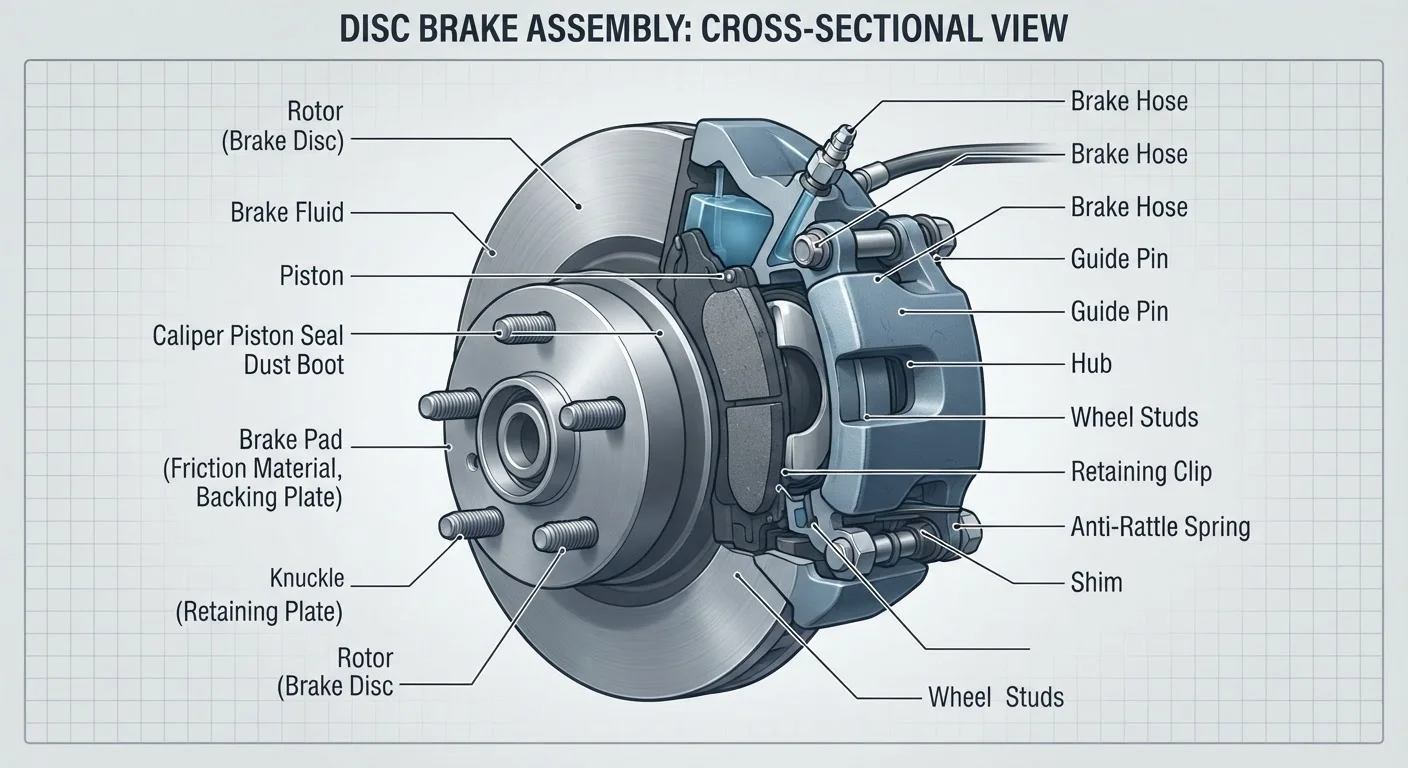
Not all maintenance is equal. While some services like oil changes have more flexibility than older guidelines suggest, safety-critical systems - brakes, tires, steering, and lighting - should never be deferred based on budget or convenience. If a qualified mechanic flags a brake or tire concern, get a second opinion rather than ignoring the issue. Delaying safety repairs can compromise your ability to control the vehicle and puts both you and other road users at risk.
That said, some maintenance items are genuinely time-sensitive and should never be deferred. Brake inspections, tire rotations, and coolant flushes protect both your safety and your vehicle's longevity. The habits that quietly accelerate vehicle wear - like hard braking and skipping short-trip precautions - compound quickly when combined with neglected scheduled services.
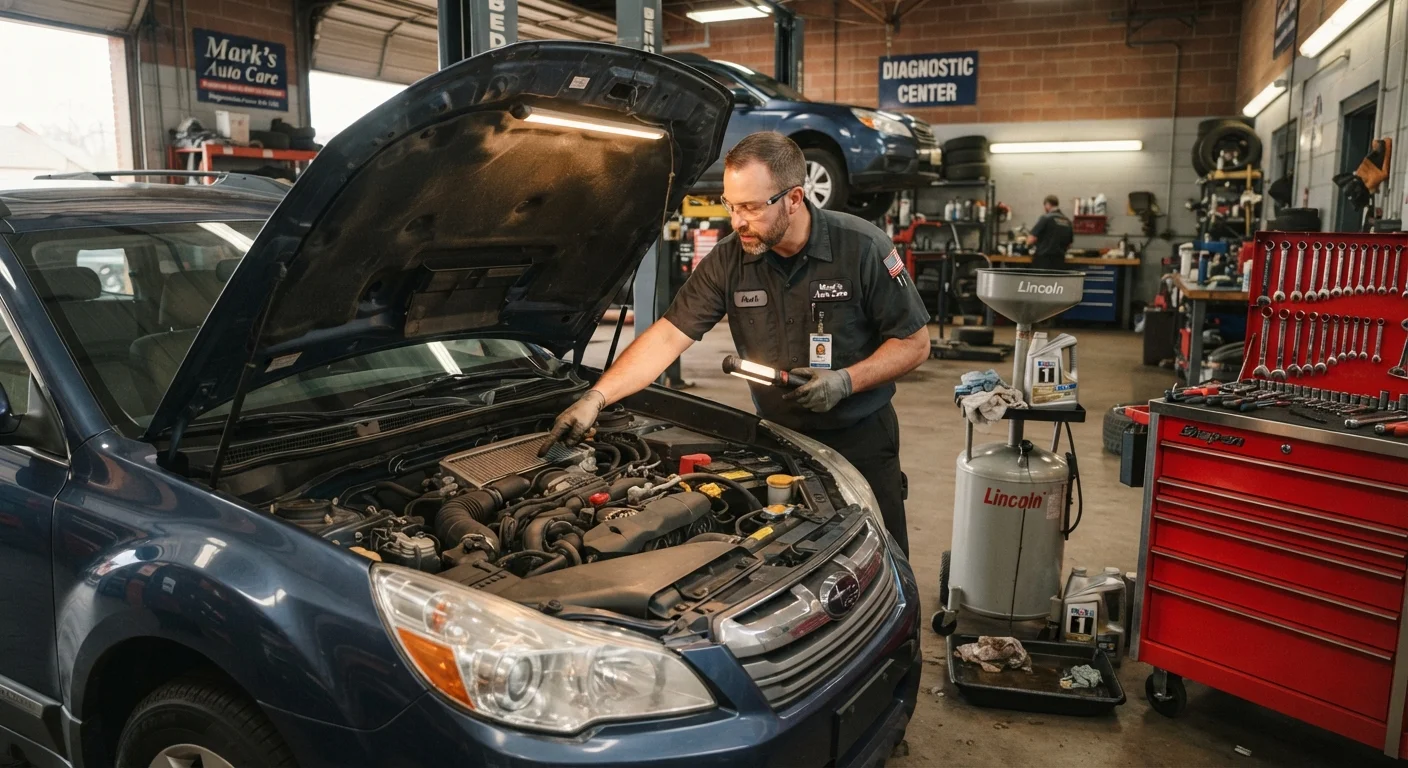
If you're unsure whether a shop's recommended service is actually due, ask them to show you the manufacturer's interval in writing or cross-reference your owner's manual. A reputable mechanic will welcome the question. Staying informed and asking the right questions is the most reliable defense against unnecessary service upsells.
$1,200+
Average annual vehicle maintenance and repair cost per driver
According to AAA's annual Your Driving Costs study, the average American driver spends over $1,200 per year on vehicle maintenance and repairs, making informed decisions about necessary versus unnecessary services especially consequential.
5,000-10,000 mi
Typical oil change interval for modern synthetic oil
Most automakers now specify oil change intervals of 5,000 to 10,000 miles for vehicles using full synthetic oil, a significant departure from the conventional 3,000-mile guideline.
Just as myths in other areas of personal finance lead to real money lost - as explored in car ownership myths that cost drivers real money - the same principle applies under the hood. Evidence-based habits, not inherited folklore, keep both your vehicle and your finances in better shape.