
Why Car Myths Are Expensive
Automotive folklore spreads easily - from family advice passed down over generations to tips shared in parking lots and online forums. The problem is that much of this conventional wisdom was formed around older technology, outdated products, or simple misunderstanding. Acting on bad information doesn't just cost time; it translates directly into unnecessary fuel, maintenance, and insurance spending. Car ownership is already one of the largest household expenses most Americans carry - as explored in our guide to the full picture of car ownership costs - which makes separating fact from fiction genuinely worthwhile.
Below, we address six of the most persistently repeated myths, correcting each with what the evidence and industry standards actually show.
Myth
Premium gasoline will make my car run better and last longer, even if the owner's manual says regular is fine.
Fact
Using premium fuel in an engine designed for regular gasoline provides no measurable performance or longevity benefit.
Modern engines with knock sensors automatically adjust ignition timing to work optimally with the fuel grade they're given. If your vehicle's manufacturer specifies regular-grade fuel, premium simply burns away as extra expense - typically 20 to 50 cents more per gallon - without delivering the added power or protection drivers expect. Reserve premium fuel for vehicles whose manufacturer explicitly requires it, not just recommends it.
Myth
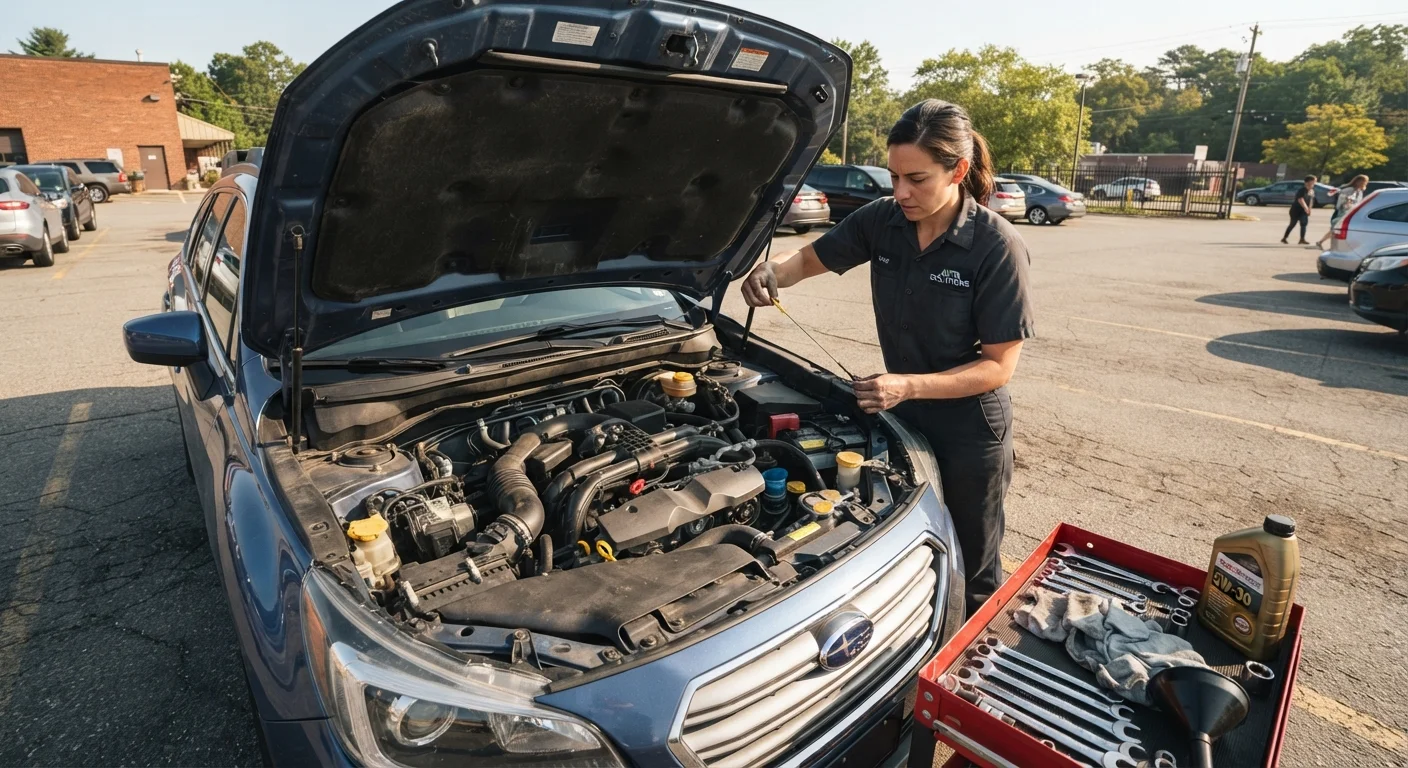
You should change your engine oil every 3,000 miles to keep your engine healthy.
Fact
Most modern vehicles with synthetic or semi-synthetic oil can safely go 5,000 to 10,000 miles or more between changes, per manufacturer guidelines.
The 3,000-mile rule originated in an era of older engine designs and conventional oils. Today's engine tolerances, oil formulations, and onboard oil-life monitoring systems have made that interval unnecessarily conservative for the vast majority of drivers. Following your vehicle's actual maintenance schedule - found in the owner's manual - can reduce the number of annual oil changes and save a meaningful amount over the lifetime of the vehicle. See our car maintenance myths article for related misconceptions that cost drivers money.
Myth
Red and black cars cost more to insure because they attract more speeding tickets and theft.
Fact
Vehicle color is not a rating factor used by auto insurers when calculating premiums.
Insurers base premiums on factors such as your driving history, location, vehicle make and model, age, and claims history - not paint color. The belief that red cars draw police attention or thieves has no basis in actuarial data. If you're curious about what actually affects your rate, the factors that drive auto insurance premiums are more nuanced than most drivers realize.
Myth
You need to let a modern car idle for several minutes before driving in cold weather to warm up the engine.
Fact
Modern fuel-injected engines reach operating temperature faster by being driven gently than by sitting at idle.
Extended idling made sense for carbureted engines of earlier decades, which needed time to stabilize fuel delivery. Today's electronically controlled, fuel-injected engines warm up more efficiently under light load. Prolonged idling wastes fuel, increases emissions, and can deposit unburned fuel on cylinder walls over time. In genuinely cold conditions, a 30-second idle to allow oil to circulate before easing into a gentle drive is all that's needed.
Myth
Slightly underinflated tires give you better traction and a smoother ride, so there's no real downside.
Fact
Underinflated tires increase rolling resistance, reduce fuel economy, accelerate tread wear unevenly, and raise the risk of a blowout.
Even tires running 5-8 PSI below the recommended pressure can measurably reduce fuel efficiency and shorten tire lifespan. The U.S. Department of Energy has noted that proper tire inflation is one of the simplest ways drivers can maintain vehicle efficiency. Check your vehicle's door jamb sticker - not the number molded onto the tire sidewall, which is the maximum pressure - for the correct inflation target.
Myth
Buying a new car is always a worse financial decision than buying used, because new cars lose value the moment you drive off the lot.
Fact
The new-versus-used calculation depends on financing terms, reliability, warranty coverage, and total ownership cost - not depreciation alone.
While it's true that new vehicles depreciate quickly in their first year, used vehicles can carry higher financing rates, unknown maintenance histories, and out-of-warranty repair exposure that offset the lower sticker price. The true cost of owning a car extends well beyond purchase price, and the smarter choice depends on your specific financial situation and the vehicle's long-term reliability record.
What These Myths Have in Common
Notice a pattern: most of these myths involve doing more - spending more on premium fuel, changing oil more often, idling longer - under the assumption that extra effort or cost equals better outcomes. In reality, following manufacturer specifications rather than folklore is the most reliable and cost-effective approach to vehicle ownership.
Myth-Based Habits Can Void Your Warranty
Some myths carry consequences beyond wasted money. Using the wrong fuel grade in a vehicle that requires a specific octane, or skipping manufacturer-specified maintenance intervals, can in some cases affect warranty coverage. Always verify requirements with your dealer or the owner's manual before deviating from the manufacturer's schedule.
Car ownership costs ripple into your broader budget in ways that are easy to underestimate. If you've ever wondered where your money actually goes each month, vehicle-related spending is often one of the largest underestimated categories. Grounding your habits in accurate information - rather than inherited assumptions - is one of the most practical steps toward keeping those costs in check.