Why Everyday Driving Habits Matter More Than You Think
Most vehicle wear doesn't originate from a single catastrophic event - it accumulates gradually through repeated, seemingly harmless behaviors at the wheel. The way you brake, how often you drive short distances, and whether you act on early warning signs all have a measurable effect on how long your car remains reliable and cost-effective to own.
Understanding these patterns is the first step toward smarter vehicle ownership. The mistakes below are among the most common contributors to premature mechanical wear, and the good news is that each one is correctable with straightforward habit adjustments.
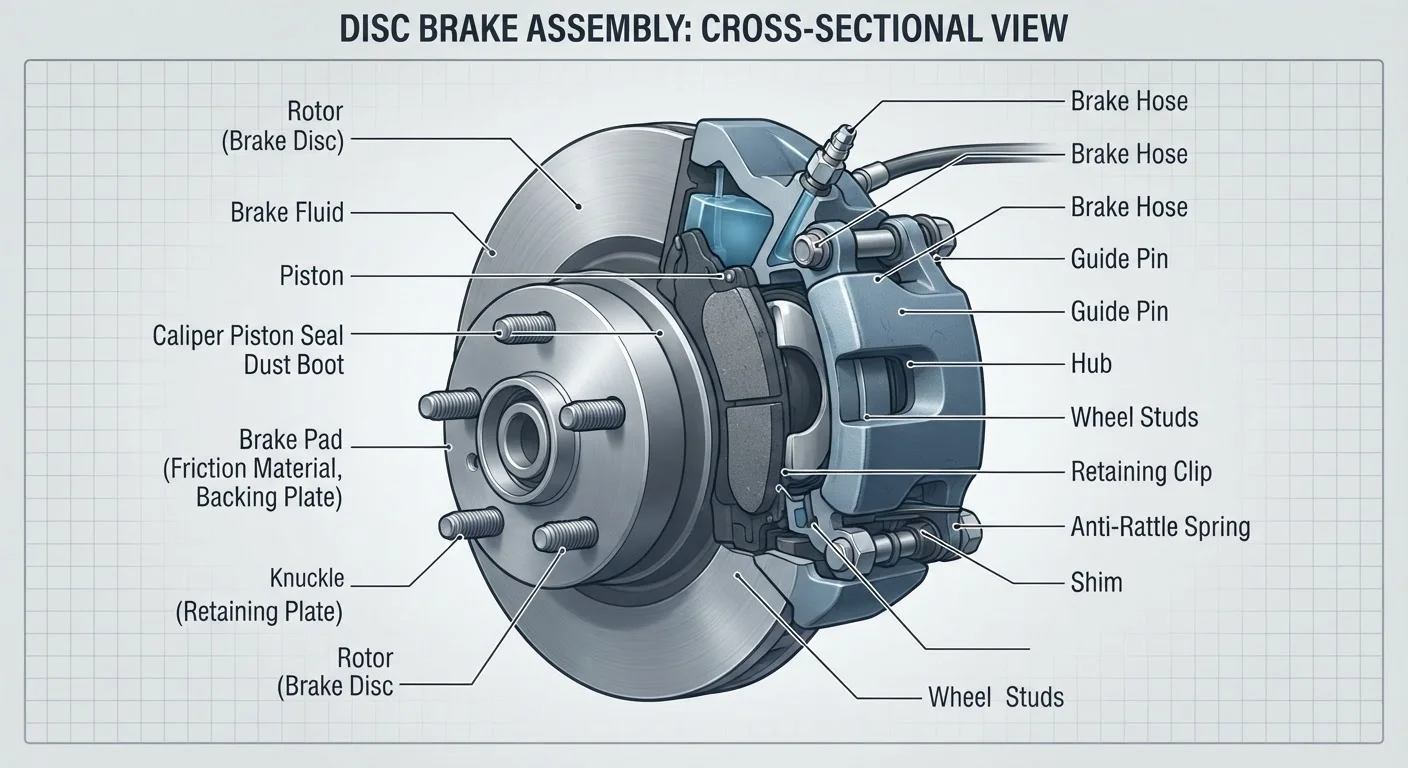
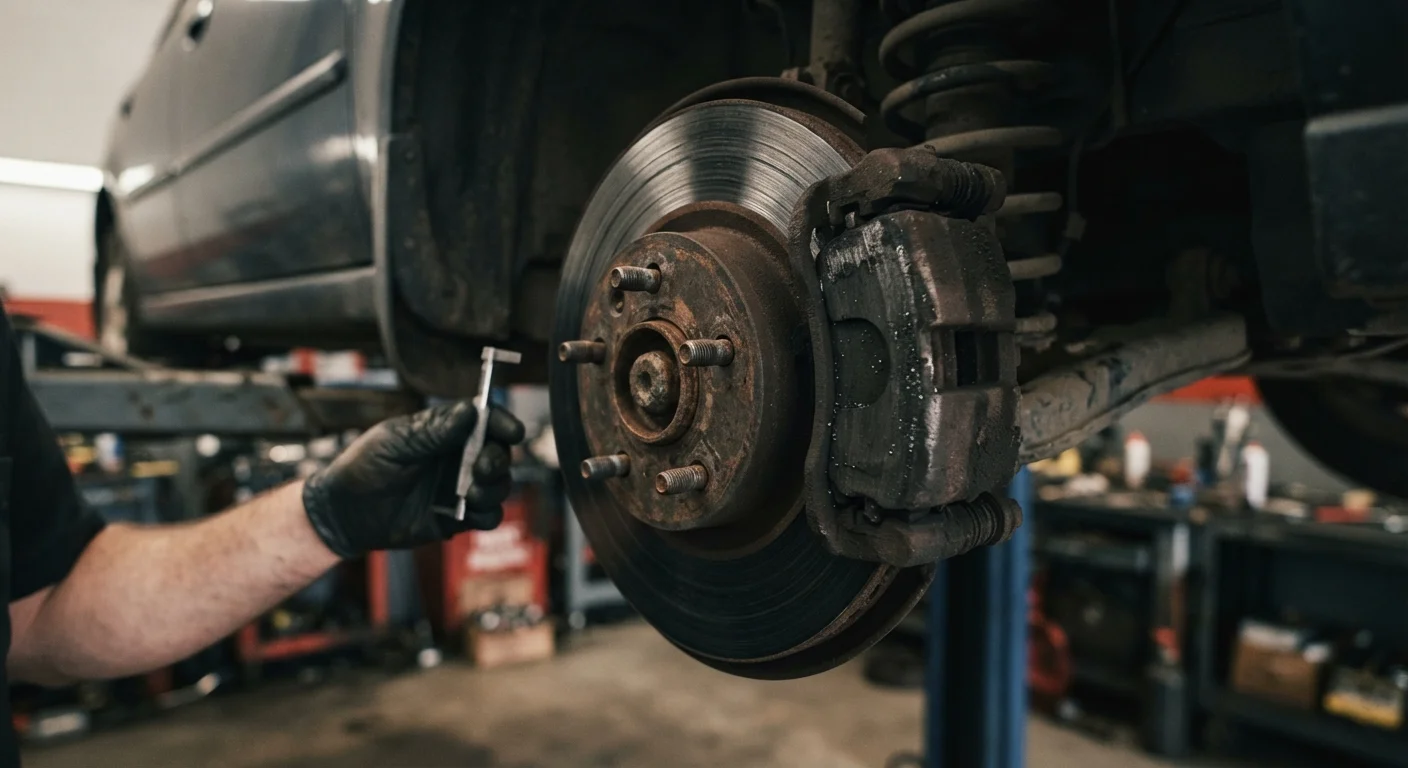
Braking hard and accelerating aggressively as a default driving style.
Why it happens: Urban stop-and-go traffic and time pressure make sharp inputs feel necessary. Many drivers also underestimate how forcefully they're using the pedals.
Regularly making very short trips of under three to five miles without longer drives mixed in.
Why it happens: Daily errand-running naturally produces short trips, and drivers assume any drive is equally beneficial for the vehicle.
Ignoring dashboard warning lights or dismissing them as minor sensor issues.
Why it happens: Warning lights can persist without an immediate, obvious symptom, leading drivers to assume the system is oversensitive or malfunctioning.
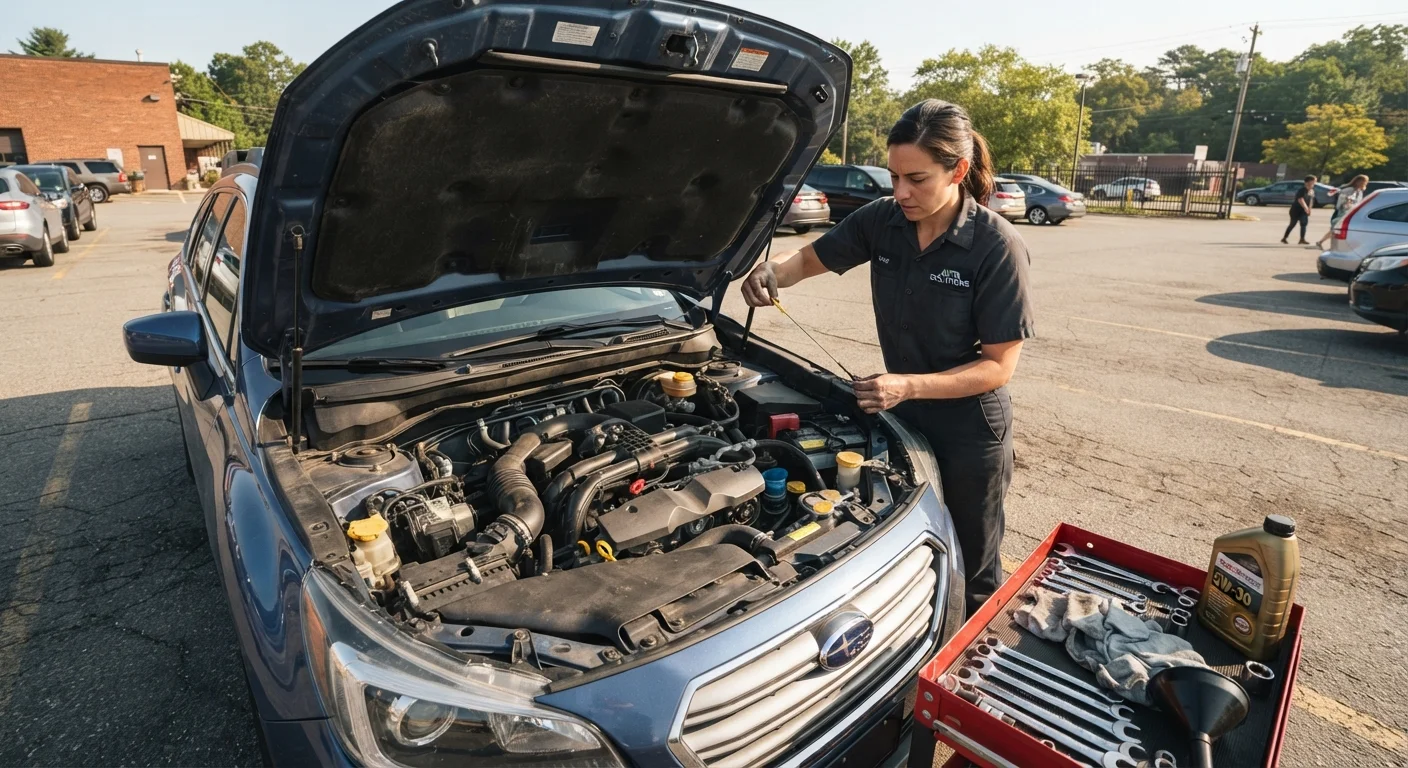
Skipping routine fluid checks between scheduled service appointments.
Why it happens: Fluid levels are invisible during normal driving, so it's easy to assume they're fine until a service reminder appears.
Overloading the vehicle with cargo or passengers beyond its rated capacity.
Why it happens: Drivers often don't know their vehicle's payload rating, or assume occasional overloading won't cause lasting harm.
Running on low tire pressure for extended periods.
Why it happens: Pressure loss is gradual and tires may look fine visually even when significantly underinflated.
Building Better Habits for Long-Term Reliability
Preventing premature wear is less about expensive products and more about consistent, informed behavior. Smooth, anticipatory driving reduces stress on brakes, tires, and the drivetrain simultaneously. Combining short errands into a single longer trip - rather than making multiple cold starts - gives your engine time to reach and sustain its optimal operating temperature, where oil circulates properly and combustion is most efficient.
Cold Starts and Short Trips Stress Your Engine
Every time you start a cold engine, oil must circulate from the bottom of the pan before fully lubricating all moving parts. Multiple short trips each day mean your engine spends a disproportionate amount of its operating time in this vulnerable warm-up phase. When possible, allow the engine to reach operating temperature on longer drives to ensure oil performs as intended and combustion byproducts are burned off properly.
Routine fluid checks - oil, coolant, brake fluid, and transmission fluid - take minutes and can reveal developing problems before they escalate. The same logic applies to dashboard warning lights: a persistent light is the vehicle's diagnostic system flagging a real issue, not a glitch to dismiss. Addressing small concerns early is consistently less expensive than waiting for a failure.
For drivers already managing higher mileage, the stakes of these habits are even greater. See our guide to keeping a high-mileage car running for a closer look at the maintenance priorities that matter most as vehicles age. And if you've encountered advice about car care that didn't quite sound right, our article on car maintenance myths that cost drivers money clarifies which long-held beliefs are actually working against you.
Adopting these habits as part of your regular routine - rather than responding only when something breaks - is the most reliable path to a vehicle that serves you well for the long haul.