Why High-Mileage Ownership Requires a Different Mindset
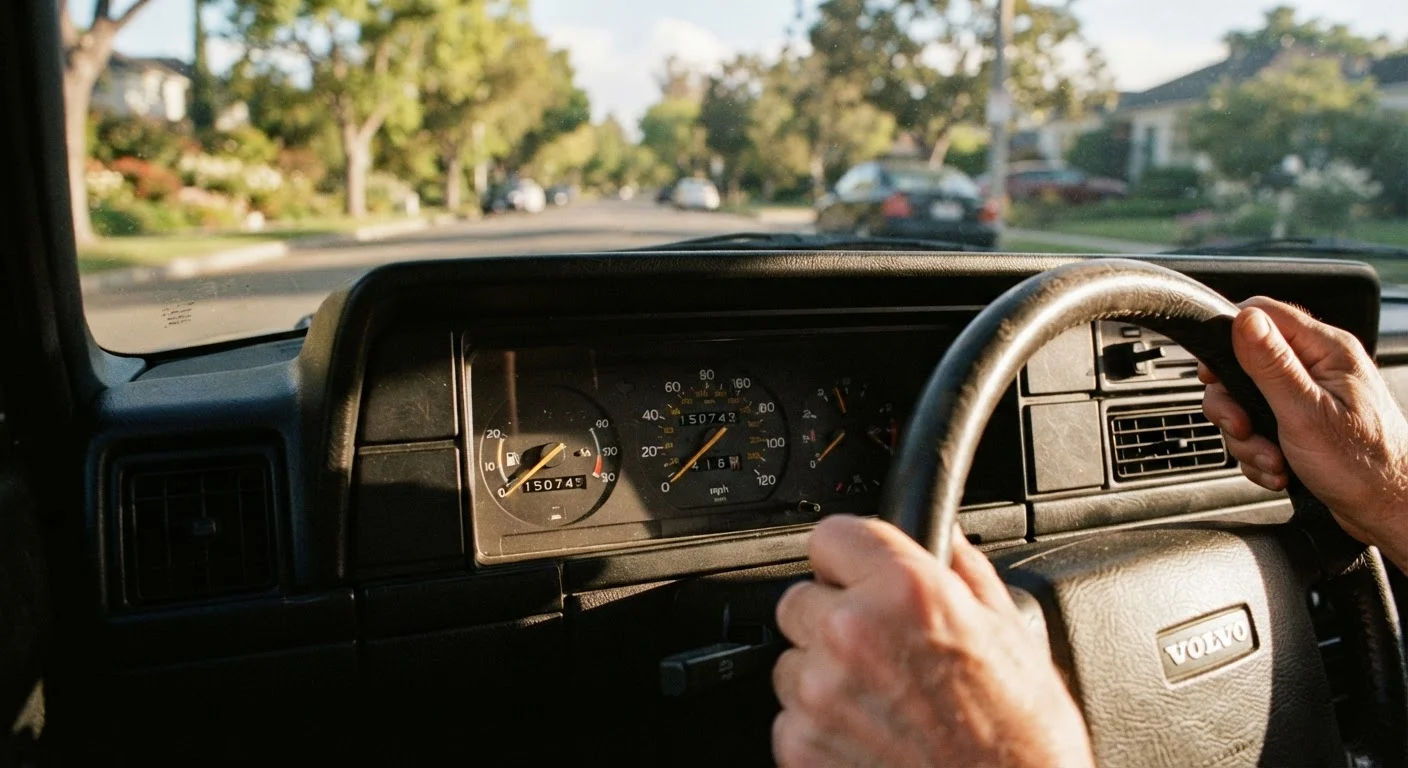
Once a vehicle crosses 100,000 miles, the financial calculus of car ownership shifts. Parts that were new or low-stress are now aged, and systems that once tolerated occasional missed maintenance begin demanding more consistent attention. For many owners, keeping a high-mileage car running reliably is genuinely economical - but only if that decision is backed by a proactive, informed maintenance strategy.
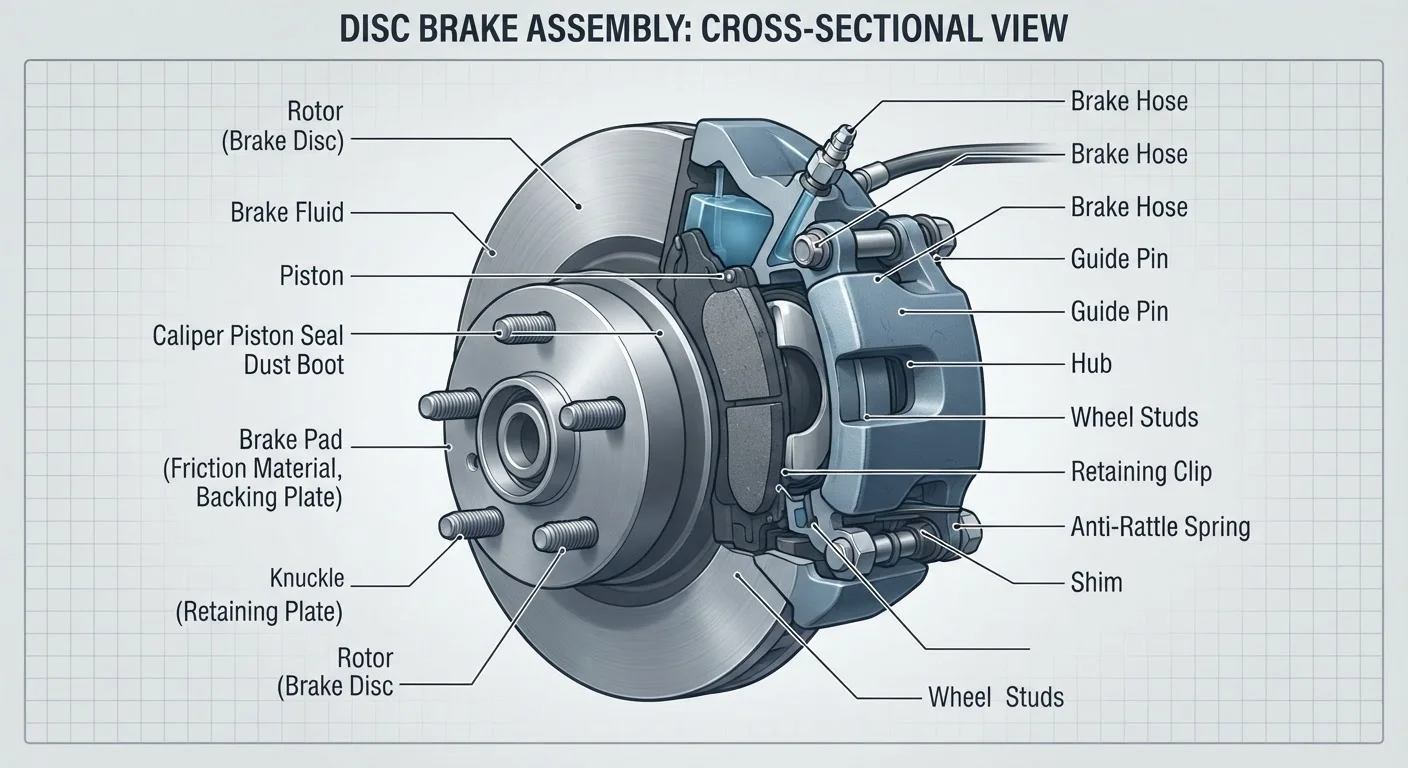
The alternative - reactive maintenance, where you wait for something to break - becomes increasingly expensive as vehicles age. A snapped timing belt, a failed water pump, or a seized caliper can quickly generate repair bills that rival or exceed a vehicle's market value. Understanding which components are most vulnerable at higher mileages, and prioritizing accordingly, is what separates owners who get 200,000 miles out of a vehicle from those who don't.
For a broader view of how everyday choices affect longevity, see our guide to habits that quietly accelerate vehicle wear.
The Maintenance Priorities That Matter Most After 100,000 Miles
Not all maintenance items carry equal weight. For high-mileage vehicles, certain systems deserve elevated attention because their failure tends to be catastrophic rather than gradual.
Your vehicle's owner's manual remains the most reliable source for interval guidance - manufacturer recommendations account for engineering tolerances that generic advice cannot. The Car Maintenance hub offers additional guidance on building a consistent upkeep routine.
Quick Actions You Can Take Right Now
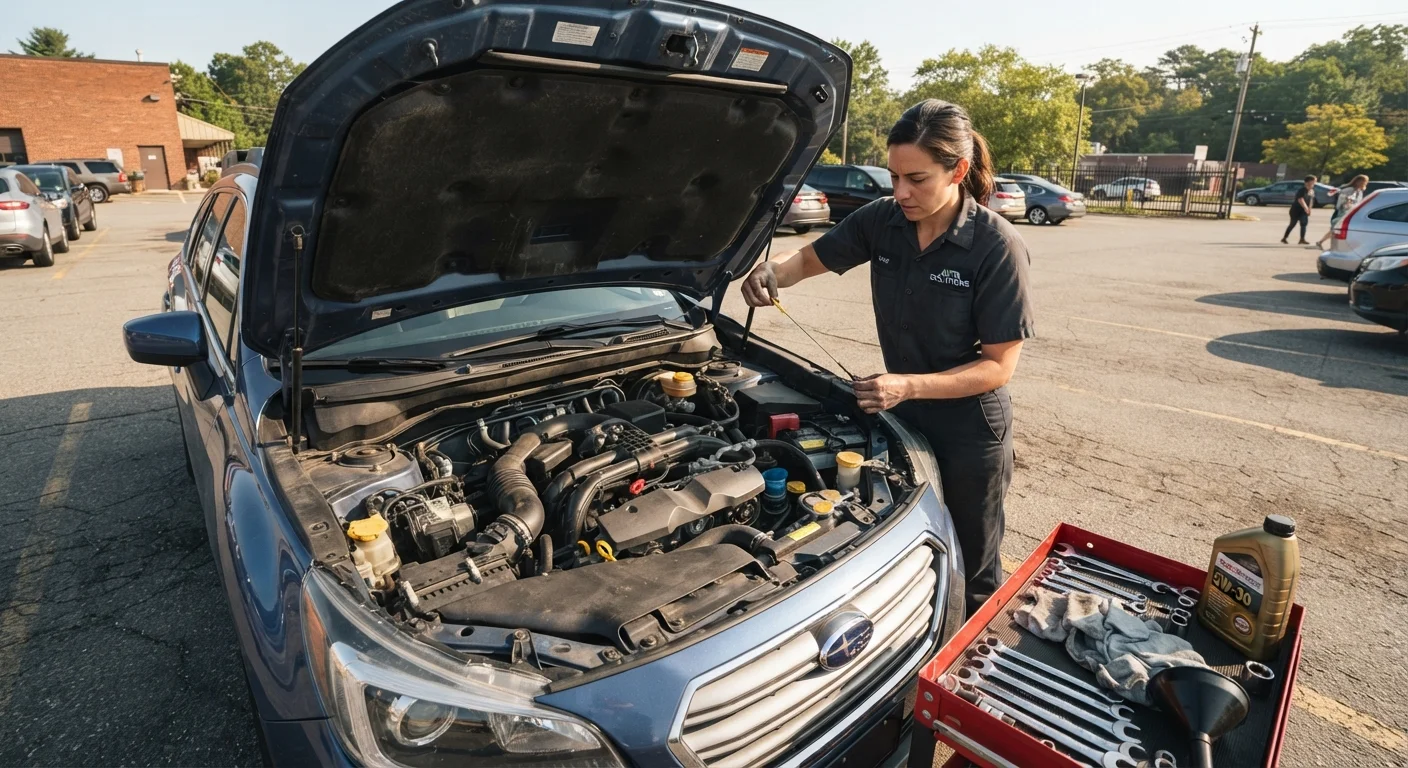
If you haven't reviewed your vehicle's condition recently, a few targeted actions can meaningfully reduce your risk of an unexpected breakdown or costly repair.
Even small deferred maintenance items compound over time. Addressing them systematically - rather than all at once - makes high-mileage ownership manageable without overwhelming your budget.
Balancing Cost and Risk as a Long-Term Owner
High-mileage ownership is ultimately a financial decision, and it helps to approach it clearly. The question is rarely whether a car will need repairs - it will - but whether the expected repair costs over time remain lower than the cost of replacing the vehicle.
That calculus tips in your favor when you stay ahead of wear rather than responding to failures. Seasonal conditions also affect aging components disproportionately - temperature extremes stress rubber seals, cooling systems, and batteries harder in older vehicles. Adapting your approach by season is covered in our seasonal car care guide.
The most important habit for long-term owners is consistent documentation. Keep records of every service, fluid change, and repair. This helps you track what's been done, identify patterns, and make better decisions about when a repair is worth making - and when it isn't.
“The vehicles that make it to 200,000 miles aren't necessarily the most reliable ones built - they're the ones whose owners paid consistent attention to them.”
— Automotive maintenance industry consensus, Widely cited principle in professional mechanic and fleet management communities