Why Seasons Change What Your Car Needs
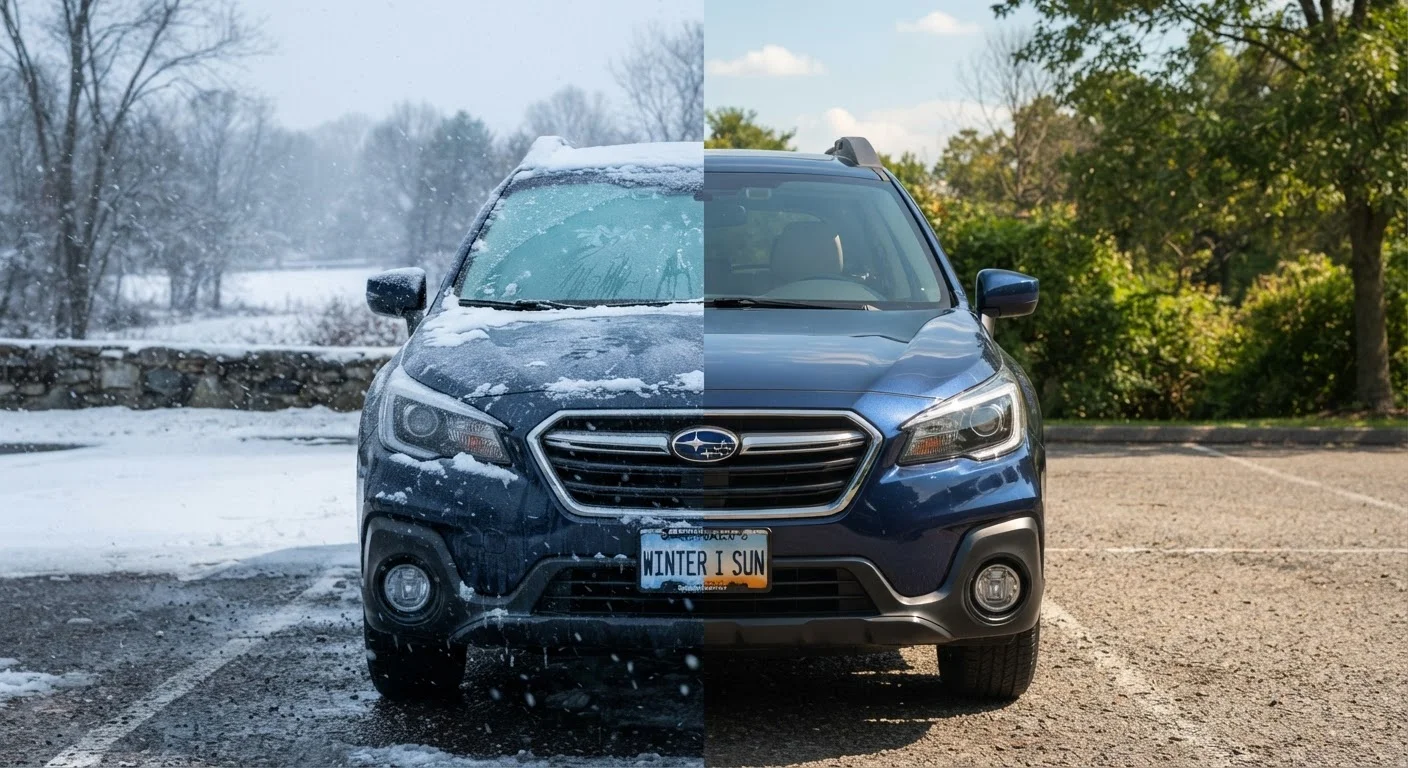
Your vehicle operates across a wide range of temperatures throughout the year, and the mechanical systems under the hood respond differently depending on the conditions outside. Engine oil viscosity, battery output, tire pressure, and coolant effectiveness all fluctuate with temperature - sometimes significantly. A maintenance approach that works in July may leave you stranded in January.
The goal of seasonal car care isn't to invent extra service appointments. It's to align what you check - and when - with the real stresses your vehicle faces. As the manufacturer's maintenance schedule makes clear, following service intervals is a baseline, not a ceiling. Seasonal conditions often call for more frequent checks on specific systems.
~1 PSI
Tire pressure lost per 10°F temperature drop
The U.S. Department of Transportation notes that temperature-related pressure loss is a primary cause of under-inflation and increased blowout risk.
50%
Battery power loss at 0°F vs. 77°F
According to AAA research, a car battery can lose roughly half its cranking power in extreme cold, making pre-winter testing critical.
~1 in 3
Roadside breakdowns linked to battery issues
AAA reports battery-related calls consistently rank among the top reasons drivers need roadside assistance, with spikes in winter months.
Preparing Your Vehicle for Winter Cold
Cold weather is hard on nearly every system in your car. Below are the components that deserve the most attention before and during winter months.
Battery Health
A car battery loses a significant portion of its cranking power at low temperatures. A battery that performs adequately in summer may fail to start a cold engine in January. Have the battery load-tested before temperatures drop - most auto service centers offer this at low or no cost. If a battery is more than three to four years old, consider having it professionally evaluated.
Engine Oil Viscosity
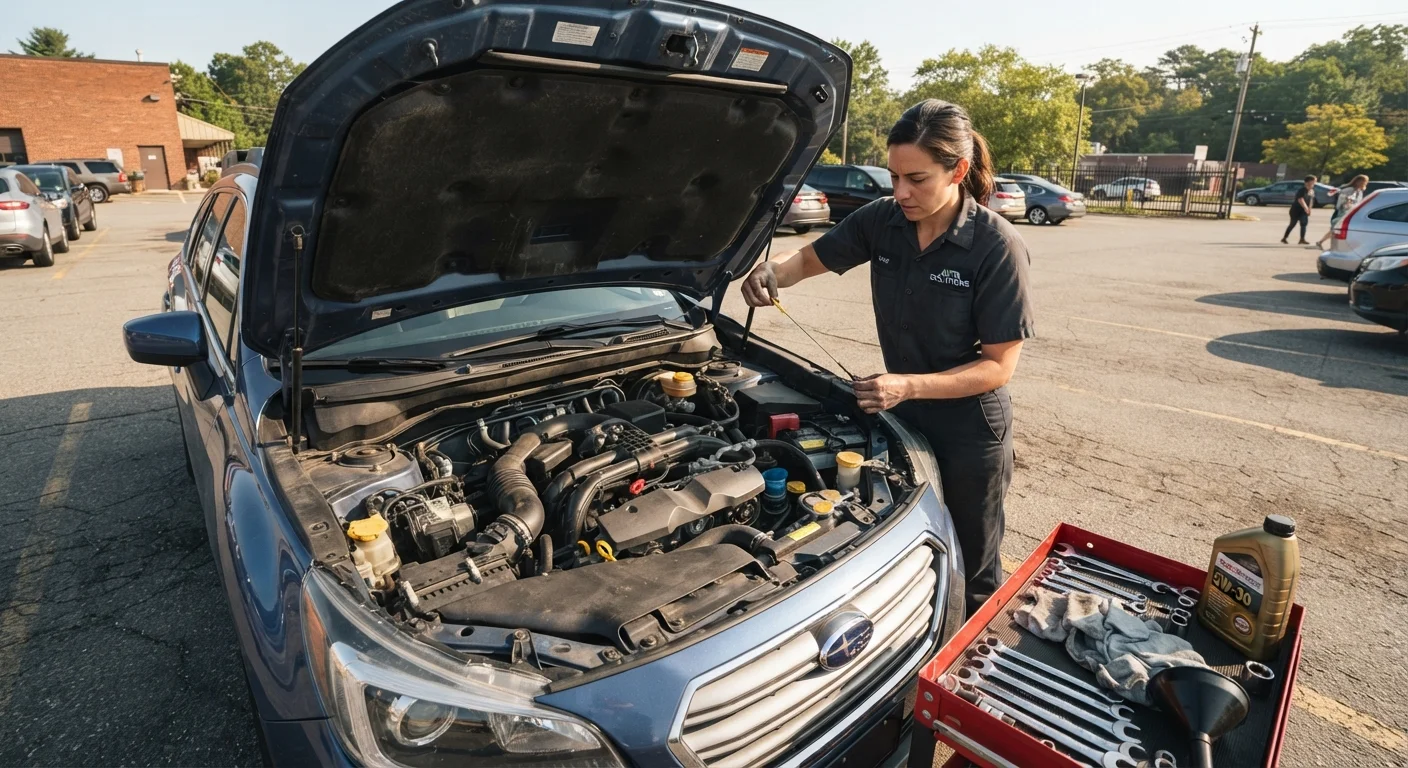
Cold oil is thicker oil. In freezing temperatures, thicker oil circulates slowly at startup, leaving engine components temporarily unlubricated. Check your owner's manual for the manufacturer's recommended oil viscosity range for cold climates - many modern engines call for a multi-grade oil (such as 5W-30) that flows adequately in both cold and warm conditions. Consult a qualified mechanic if you're unsure which grade applies to your vehicle.
Tire Pressure and Tread
Tire pressure drops approximately one PSI for every 10°F decrease in ambient temperature. Under-inflated tires reduce traction and fuel efficiency. Check all four tires - plus the spare - with a calibrated gauge each month during winter. Tread depth is equally important: worn tires lose grip on wet or icy roads. For guidance on adjusting your driving to match road conditions, see driving in winter weather.
Coolant and Antifreeze
The coolant mixture in your radiator prevents the engine from freezing in extreme cold. A 50/50 mix of antifreeze and distilled water is the general standard, but verify the correct specification in your owner's manual. Have the coolant tested with an inexpensive antifreeze tester to confirm it's rated for the temperatures in your region.
Protecting Your Vehicle Through Summer Heat
While winter gets more attention, summer heat puts its own unique strain on vehicle systems - particularly cooling, electrical, and rubber components.
Cooling System Inspection
The cooling system works hardest in summer. Inspect hoses for cracks, softness, or bulging. Check the radiator cap seal and confirm the coolant level is within the marked range on the reservoir. Overheating is one of the leading causes of summer breakdowns, and most cooling system failures show warning signs before they become emergencies.
Air Conditioning Performance
An underperforming air conditioning system isn't just a comfort issue - in extreme heat, it can become a safety concern. If the system takes significantly longer than usual to cool the cabin, or if airflow is weak, have it inspected by a certified technician. Refrigerant does not typically require replacement under normal operation; a loss of charge often signals a leak that needs professional diagnosis.
Tire Condition in Heat
Hot pavement accelerates tire wear and increases the risk of blowouts, especially on tires that are already worn or improperly inflated. Check pressure when tires are cold (before driving), as heat naturally expands air and produces a falsely high reading. Inspect sidewalls for cracking or bubbling, which can indicate internal structural damage.
Check Tire Pressure When Cold
Always measure tire pressure before you've driven more than a mile. Heat generated by driving expands the air inside tires, producing a reading that's higher than the true resting pressure. Checking tires 'cold' - in the morning or after sitting for several hours - gives you an accurate baseline to compare against the recommended PSI on your door jamb sticker.
Spring and Fall: Your Best Maintenance Windows
The transitional seasons are ideal times to conduct thorough inspections, because the vehicle has just emerged from one type of stress and is about to face another. Use spring to undo winter's damage and fall to prepare for cold.
Inspect wiper blades and replace them at each seasonal transition.
Winter blades can leave streaks or freeze to the windshield; worn summer blades fail in the first fall rainstorm. Good visibility is a direct safety factor.
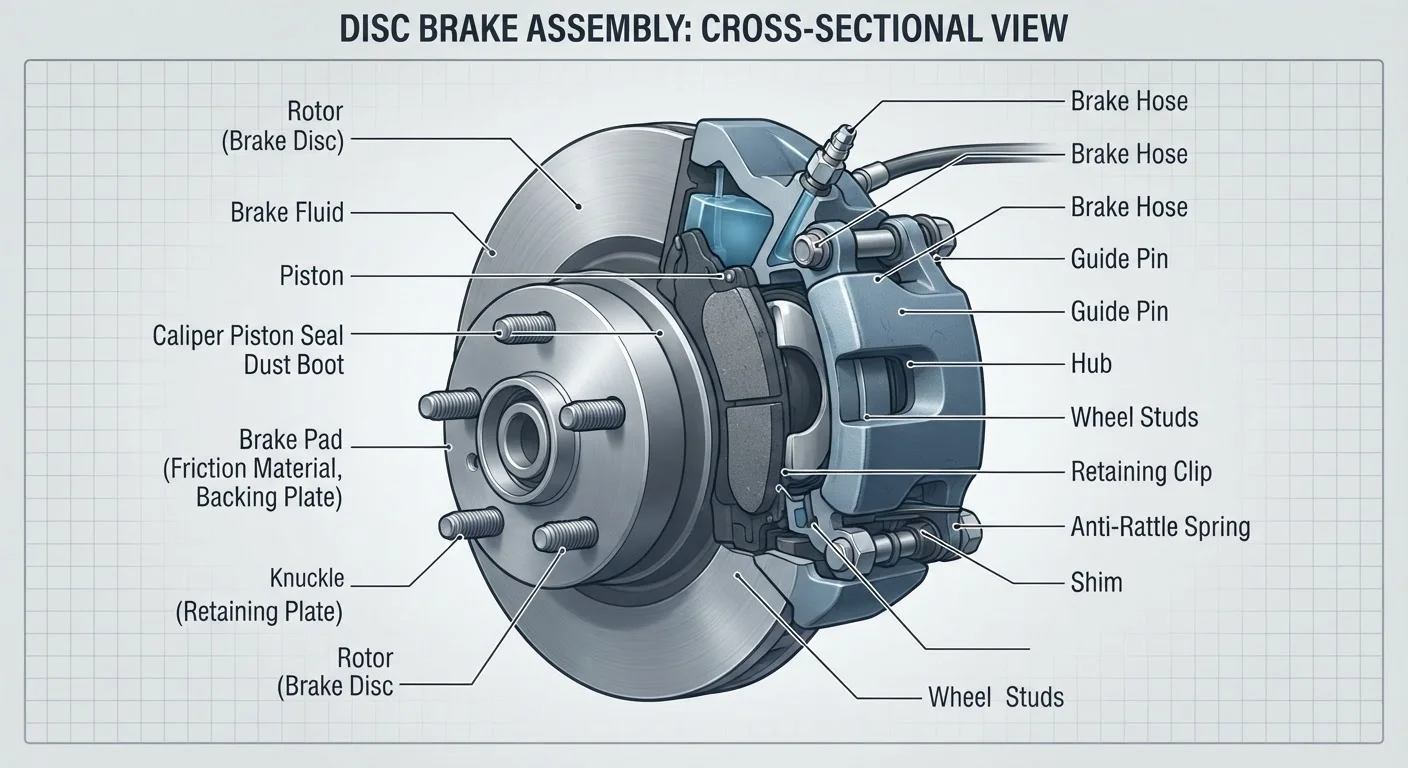
Flush and replace brake fluid according to your manufacturer's interval, not just mileage.
Brake fluid absorbs moisture over time, lowering its boiling point and reducing braking effectiveness - a risk amplified by the heavy braking demands of winter driving.
Check and top off all underhood fluids - oil, coolant, brake fluid, power steering fluid, and windshield washer fluid - at each seasonal transition.
Fluid levels that are adequate in mild weather may fall into marginal ranges under seasonal stress. A five-minute visual check prevents most fluid-related failures.
Inspect and clean battery terminals when transitioning into fall.
Corrosion on battery terminals increases electrical resistance, which compounds the battery's already reduced cold-weather output.
Replace the cabin air filter and engine air filter annually or as recommended.
Clogged filters reduce HVAC effectiveness in summer heat, decrease engine efficiency, and allow pollen or debris to enter the cabin - issues that worsen with seasonal pollen cycles.
For older, high-mileage vehicles, seasonal transitions are especially important. Systems already under stress from age are more vulnerable to temperature extremes. The maintenance priorities for high-mileage vehicles outlines which checks deserve the most attention as cars age. Additionally, your owner's manual service schedule often includes condition-based service notes that apply directly to seasonal driving.
Quick Actions You Can Take Right Now
You don't need to wait for a seasonal change to start building better maintenance habits. Several of the most impactful checks take only a few minutes and require no special tools.