Why a Nutrition-Focused Approach to Shopping Matters
The decisions made in the grocery store largely determine what ends up on the dinner table - and ultimately, what nourishes the body. Yet most Americans shop reactively, guided by habit, hunger, or promotional displays rather than nutritional intent. A structured walk-through changes that dynamic without requiring a complete dietary overhaul.
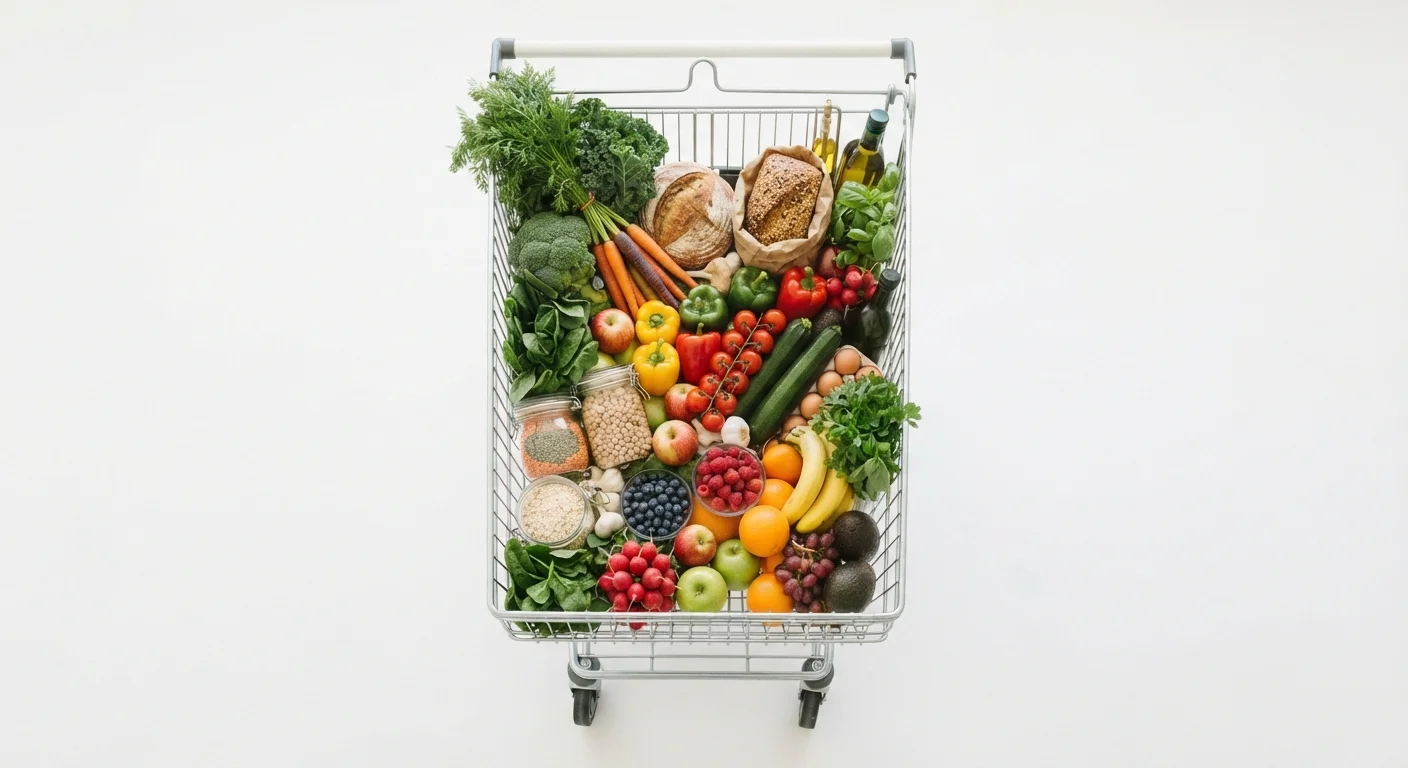
This checklist is organized the way most grocery stores are laid out: starting at the perimeter - where produce, proteins, and dairy typically live - and moving inward toward packaged goods. Use it before your next trip to plan, or bring it along as a real-time reference. For a deeper look at which individual foods deliver exceptional nutritional value, see our guide on nutrient-dense foods worth including in any eating pattern.
This article provides general nutrition information and education. It is not a substitute for personalized advice from a registered dietitian or qualified healthcare professional.
Nutrition Facts Label
Found on nearly every packaged food, it provides serving size, calorie count, and key nutrient data needed to make informed comparisons.
Grocery List (written or app-based)
A pre-planned list organized by store section keeps shopping intentional and reduces the likelihood of nutritionally poor impulse buys.
MyPlate (USDA resource)
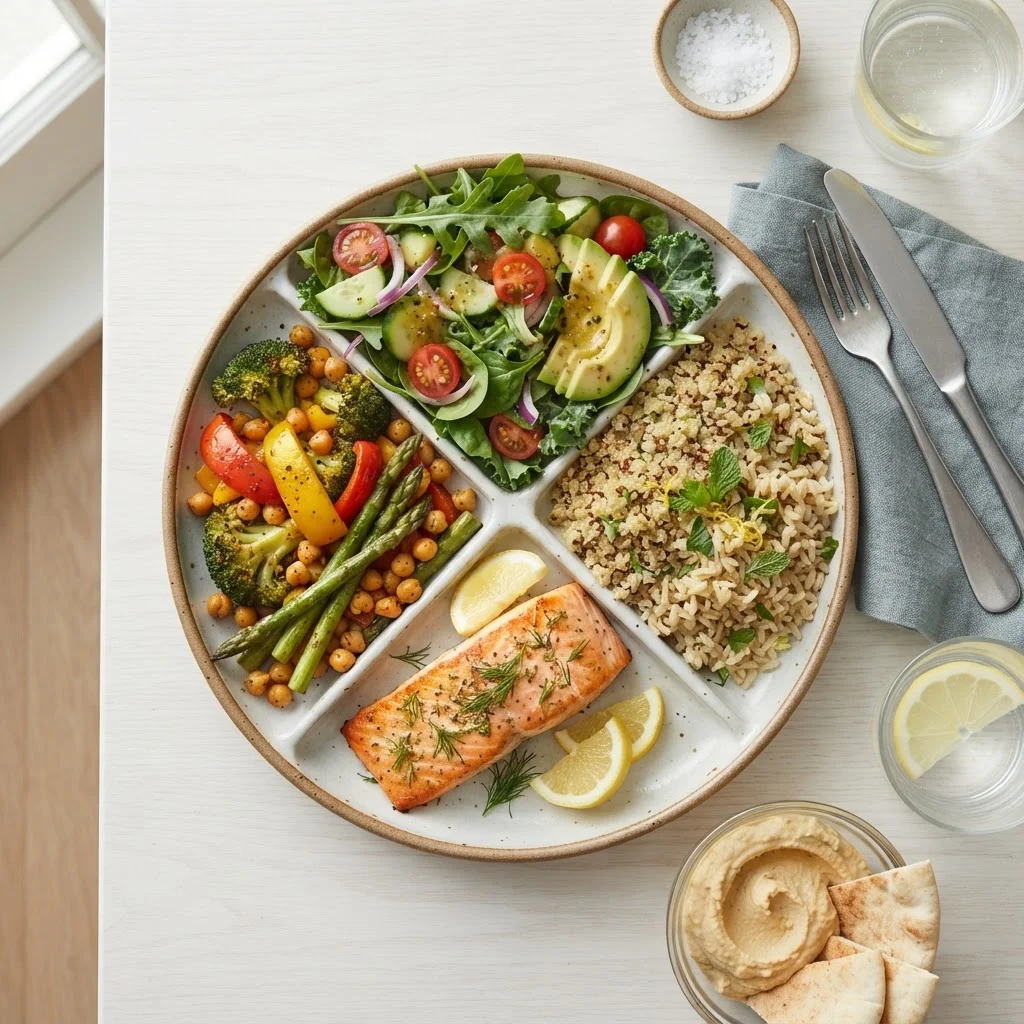
A free, publicly available visual guide that illustrates recommended food group proportions for balanced meals.
Registered Dietitian (RD)
A licensed nutrition professional who can tailor guidance to your specific health needs, conditions, or dietary goals.
How to Use This Checklist
Work through each section in sequence, checking off items that apply to your household. Not every item will be relevant to every shopper - the goal is awareness, not perfection. Items marked must represent broadly established nutritional priorities. Items marked should are strongly recommended for most adults. Nice-to-have items are helpful refinements that can be phased in gradually.
Front-of-Package Claims Can Be Misleading
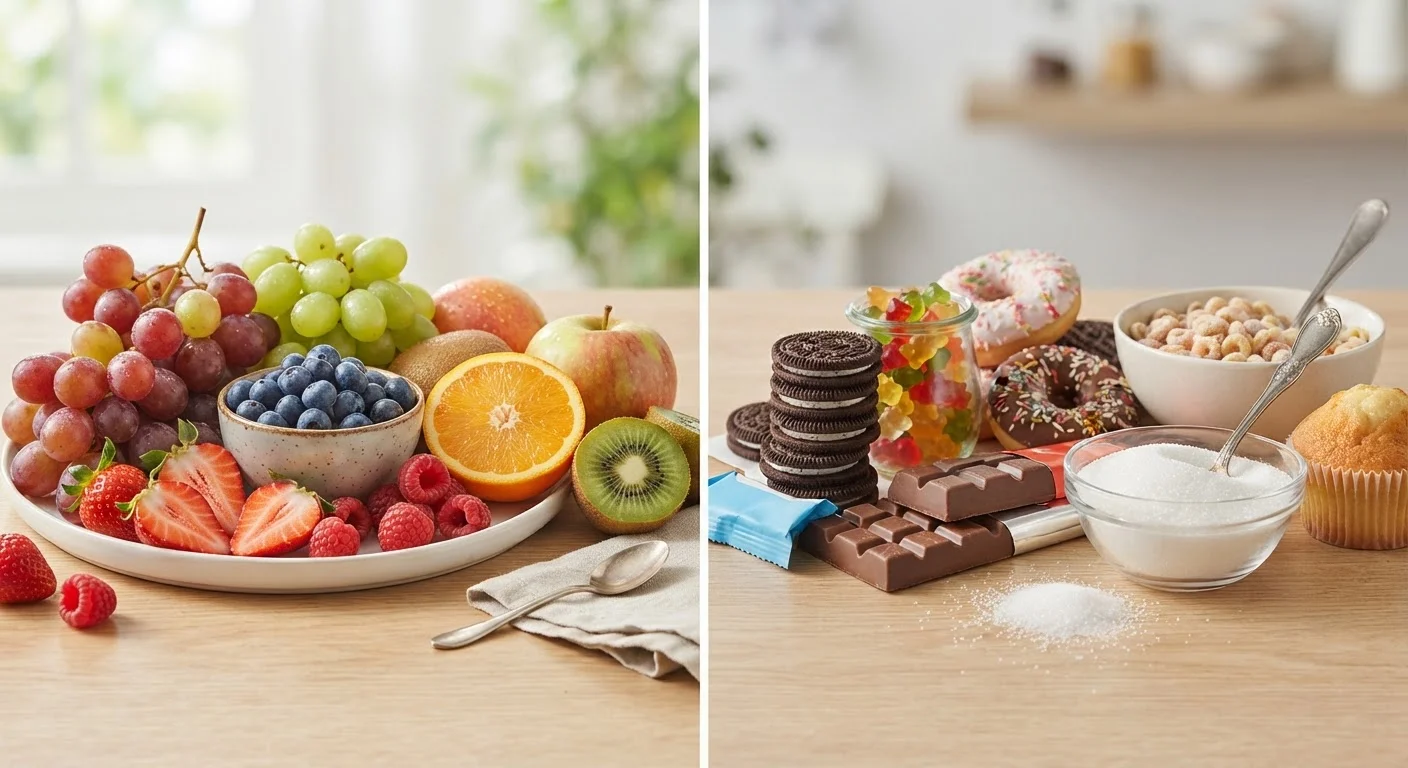
Terms like "natural," "light," "low-fat," and "made with real fruit" are marketing phrases, not regulated nutritional standards. A product labeled "low-fat" may compensate with higher sugar content. Always verify claims by reading the full Nutrition Facts label and ingredient list rather than relying on front-of-package language.
Pre-Trip Preparation
Produce Section
Protein Sources
Grains and Bread Aisle
Dairy and Dairy Alternatives
Packaged and Pantry Items
Reading Labels Confidently
Nutrition labels are one of the most powerful tools in the store - and one of the most misread. Beyond the calorie count, pay particular attention to added sugars (distinct from naturally occurring sugars), sodium, saturated fat, and dietary fiber. The ingredient list tells a complementary story: ingredients are listed by weight, so what appears first is present in the largest amount.
Whole grain labeling is a common source of confusion. A product labeled "made with whole grains" may contain only a small proportion of whole grain. Look for "100% whole grain" or "whole wheat" as the first ingredient. Our article on whole grains vs. refined grains explains exactly what is lost during processing and why it matters for everyday nutrition.
Serving Sizes Are Not Always What You Expect
All values on a Nutrition Facts label are tied to the stated serving size - which may be smaller than what most people actually consume in one sitting. A bag of chips or a bottle of juice may contain two or three servings. Always check the serving size first, then calculate accordingly for the amount you actually plan to eat or drink.