What Nutrient Density Actually Means
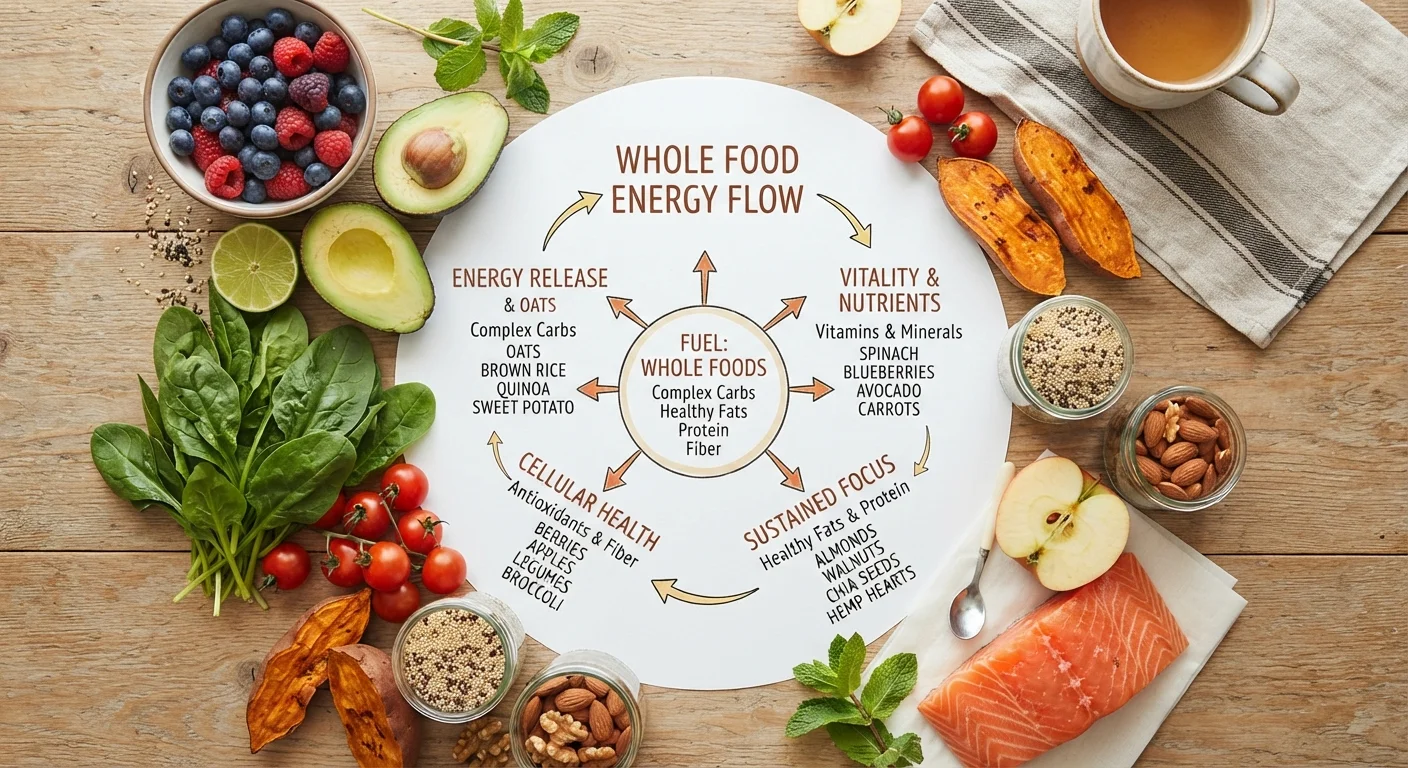
The term nutrient density refers to the amount of beneficial nutrients - vitamins, minerals, fiber, protein, and protective plant compounds - a food provides relative to its calorie content. A food can be high in calories yet low in nutrients (refined snack foods, for example), or modest in calories yet packed with nutritional value (think leafy greens or legumes).
This concept matters because most people eat a roughly fixed amount of food by volume or habit. Shifting that intake toward foods that deliver more nutrition per calorie is one of the most practical ways to close common nutritional gaps without drastically changing how much you eat. It's also a strategy that fits nearly any eating pattern - omnivore, plant-based, or somewhere in between. For a framework on putting these foods together at mealtime, see Building a Balanced Plate.
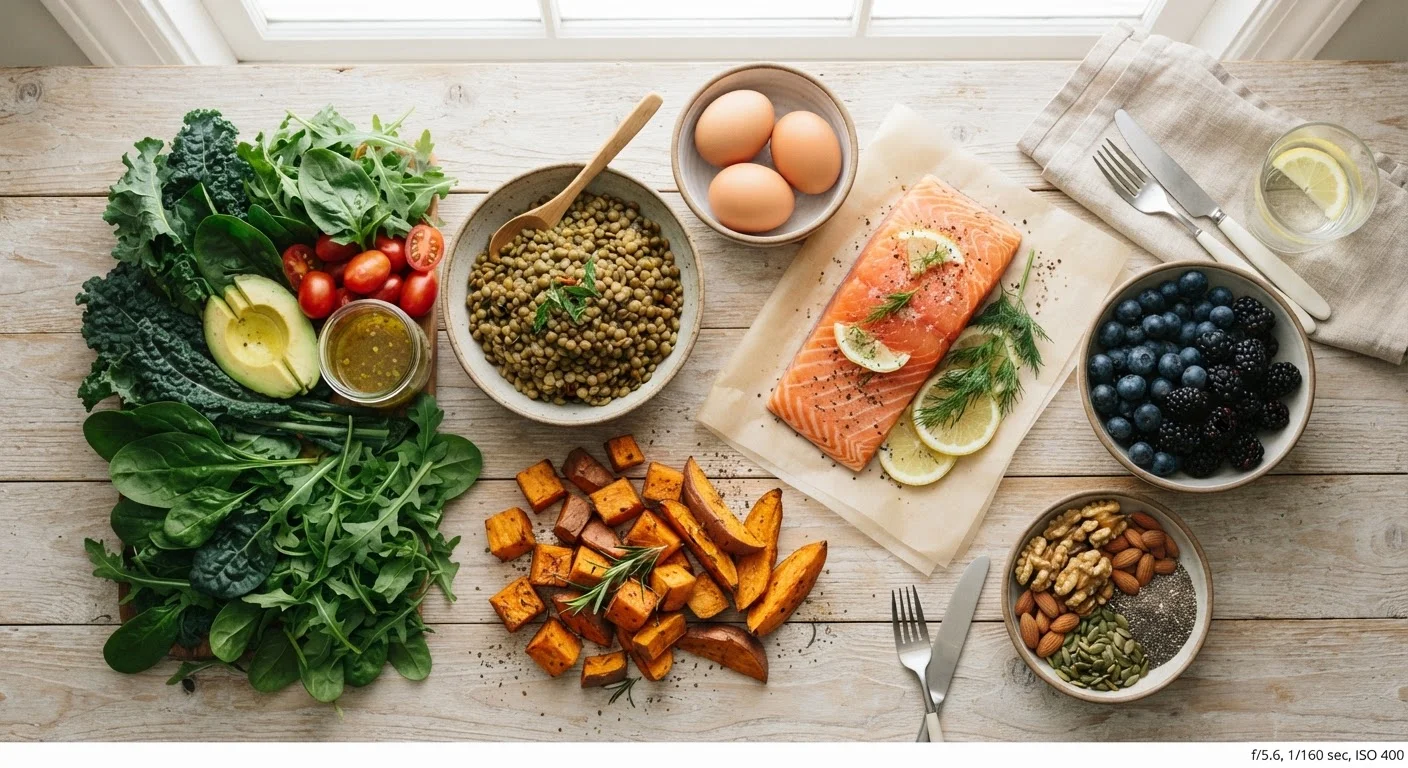
The list below isn't exhaustive - there are many nutrient-dense foods worth eating. These are among the most well-researched examples, chosen to represent a range of food groups and eating styles.
Dark Leafy Greens
Spinach, kale, Swiss chard, and collard greens consistently rank among the most nutrient-dense foods available. They provide substantial amounts of vitamins K, A, C, and folate alongside iron, calcium, and magnesium - all for relatively few calories. They also contain lutein and zeaxanthin, carotenoids associated with eye health in the research literature.
Fat-soluble nutrients in leafy greens - particularly vitamins K and A - are better absorbed when eaten with a small amount of dietary fat. A drizzle of olive oil or a handful of nuts alongside your greens is a simple way to make the most of what these vegetables offer.
Dark leafy greens pack vitamins K, A, C, folate, and protective plant compounds into very few calories.
Fatty Fish
Salmon, sardines, mackerel, and trout are among the richest dietary sources of long-chain omega-3 fatty acids - specifically EPA and DHA - which the body cannot efficiently produce on its own. These fatty acids are important for cardiovascular and brain health, based on a substantial body of research.
Fatty fish also supply high-quality protein, vitamin D (a nutrient many Americans don't get enough of from diet alone), and vitamin B12. Canned varieties such as sardines and salmon are nutritionally comparable to fresh options and considerably more affordable, making them accessible for everyday meals.
Fatty fish deliver EPA and DHA omega-3s along with vitamin D - nutrients many Americans fall short on.
Eggs
Eggs are one of the most complete whole-food protein sources available, providing all nine essential amino acids in proportions the body can use efficiently. Beyond protein, they're a meaningful source of choline - a nutrient critical for brain function and liver health that many people don't consume in adequate amounts - along with vitamins B12, B2, and D.
The yolk contains the majority of an egg's micronutrients, including the fat-soluble vitamins and choline. For a deeper look at how eggs and other animal proteins compare to plant-based options nutritionally, see Plant Protein vs. Animal Protein.
Eggs are one of the most complete protein sources available and a leading dietary source of choline.
Legumes
Lentils, black beans, chickpeas, and other legumes deliver an unusually dense combination of plant-based protein, soluble fiber, iron, folate, potassium, and magnesium. Their high fiber content supports digestive health and helps moderate blood sugar response after meals, according to consistent findings across nutrition research.
Legumes are also among the most affordable nutrient-dense foods available - dried lentils in particular are inexpensive, shelf-stable, and cook without soaking. For people eating less animal protein, legumes are a foundational category for meeting protein and iron needs.
Legumes combine plant protein, soluble fiber, and key minerals in one of the most affordable packages available.
Nuts and Seeds
Almonds, walnuts, flaxseeds, chia seeds, and pumpkin seeds each bring a distinct nutritional profile, but they share common strengths: healthy unsaturated fats, plant-based protein, fiber, vitamin E, and a range of minerals including magnesium and zinc. Walnuts in particular are a notable plant source of alpha-linolenic acid (ALA), a precursor to omega-3 fatty acids.
Because nuts and seeds are calorie-dense, portion awareness matters - but that density also makes them a highly efficient nutritional contribution to meals and snacks. They require no preparation and are easy to incorporate into oatmeal, salads, yogurt, or eaten on their own.
Nuts and seeds are calorie-dense but pack healthy fats, protein, fiber, and minerals into a small portion.
Sweet Potatoes
Sweet potatoes are an outstanding source of beta-carotene, the plant pigment the body converts to vitamin A - a single medium sweet potato can supply well over the daily recommended amount. They also provide vitamin C, potassium, manganese, and meaningful amounts of fiber, particularly when eaten with the skin.
Unlike many starchy foods, sweet potatoes have a relatively moderate glycemic response when prepared in typical ways (baked, steamed, or boiled), especially when paired with protein or fat. They're versatile, widely available year-round, and suit a broad range of culinary traditions.
One medium sweet potato can supply a full day's worth of vitamin A from beta-carotene alone.
Berries
Blueberries, strawberries, raspberries, and blackberries are among the most antioxidant-rich foods studied in nutritional science. Their deep pigmentation signals high concentrations of anthocyanins and other polyphenols, plant compounds that ongoing research associates with reduced oxidative stress and inflammation.
Berries are also a good source of vitamin C and dietary fiber while being relatively low in sugar compared to other fruit. Frozen berries retain the majority of their nutritional value and are typically more economical than fresh - making them a practical year-round choice.
Berries deliver exceptional antioxidant value, and frozen varieties retain nearly all of the same nutritional benefits.
Putting These Foods to Work in Real Meals
Knowing which foods are nutrient-dense is useful only when that knowledge translates into everyday choices. The good news is that none of these foods require elaborate preparation. Spinach wilts into scrambled eggs in under two minutes. Canned sardines work on crackers or folded into pasta. Lentils can be simmered in bulk and stored in the refrigerator for use throughout the week.
Small Swaps Add Up Over Time
You don't need to overhaul your diet to benefit from nutrient-dense eating. Replacing a processed snack with a handful of nuts, adding spinach to a dish you already make, or swapping refined grains for lentils a few times a week creates meaningful cumulative impact. Consistent small shifts outperform dramatic short-term changes - a pattern supported by the research on sustainable eating habits.
Variety matters as much as any single food. Different nutrient-dense foods cover different nutritional territory, so rotating across the categories above - leafy greens, fatty fish, legumes, eggs, nuts, and colorful produce - gives your body a broader spectrum of what it needs. Micronutrients at a Glance offers a useful companion reference for understanding exactly what each vitamin and mineral does.
If you want to carry this thinking into the grocery store, Grocery Shopping with Nutrition in Mind provides a practical aisle-by-aisle approach for building a cart around nutritional value. And for a broader view of which dietary patterns consistently appear in the health research, see Eating Patterns That Support Long-Term Health.
This article is for general informational and educational purposes only and is not a substitute for professional medical or dietary advice. Consult a qualified healthcare provider or registered dietitian before making significant changes to your diet, particularly if you have an existing health condition.