Before signing up for an internet plan, run through this checklist covering speed needs, contract terms, equipment costs, and service availability.
Key Takeaways
Confirm that your specific address is actually serviceable before spending time comparing plans.
Your real monthly cost often exceeds the advertised price once fees and equipment charges are added.
Data caps and throttling policies can significantly affect everyday internet performance.
Contract length and early termination fees deserve as much attention as monthly price.
Understanding what speeds you actually need prevents both overpaying and underbuying.
Why a Checklist Matters Before You Sign
Choosing a home internet plan can feel straightforward until you receive your first bill and discover it's $30 more than expected. Promotional pricing, equipment rental fees, data caps, and contract penalties are all standard industry practices - but they're rarely front and center in the sign-up flow. This checklist gives you a structured way to verify what you're actually agreeing to before you commit.
Confirm the provider services your exact address - not just your general neighborhood or ZIP code - by using the provider's official address checker.Must
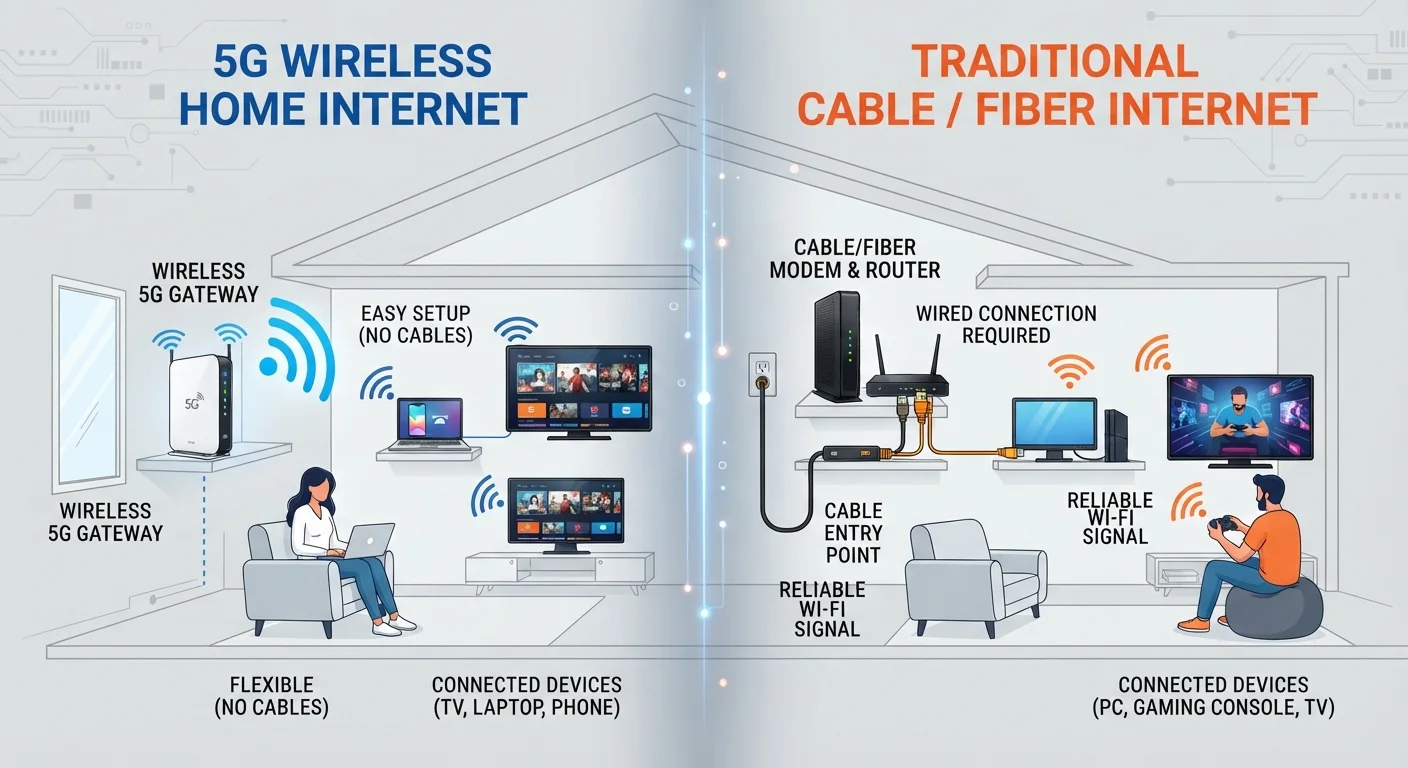
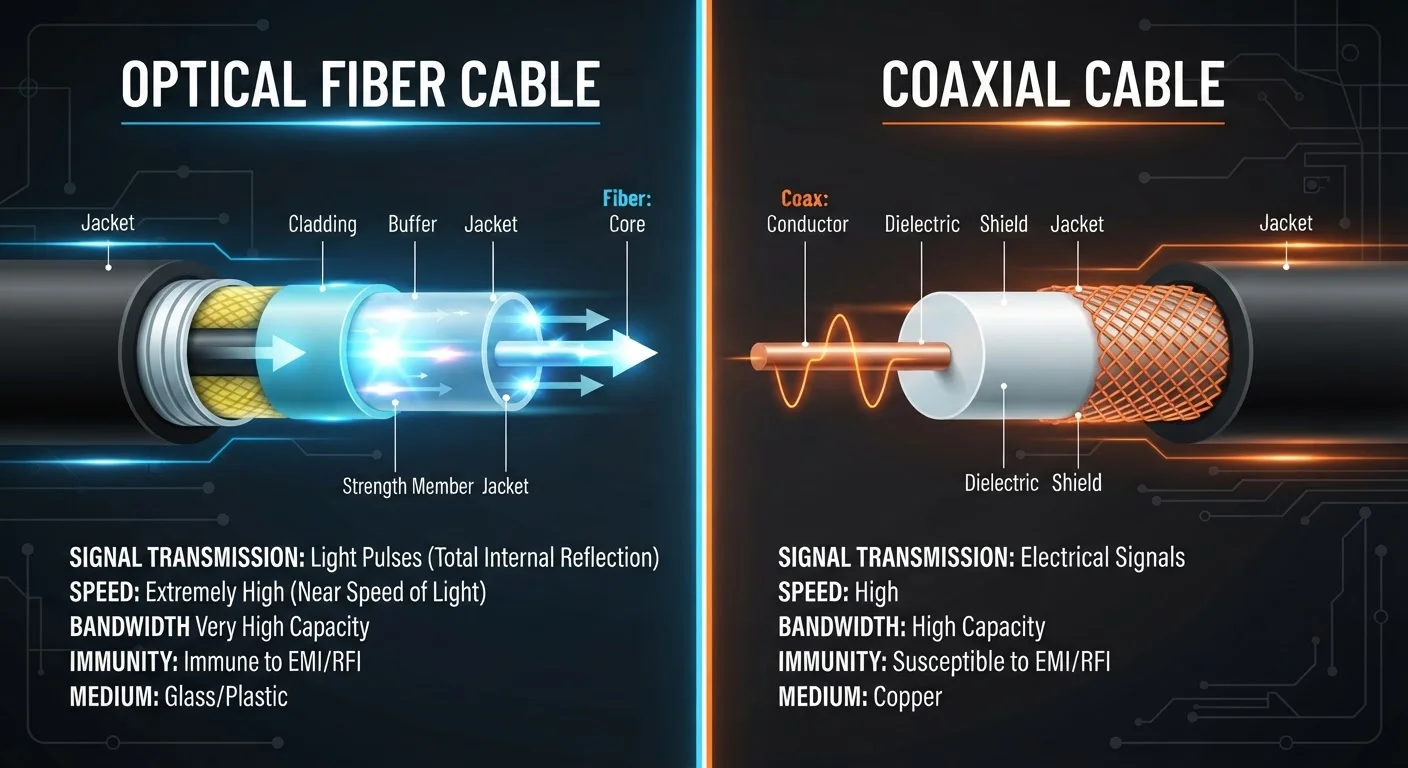
Identify which connection types (cable, fiber, DSL, fixed wireless, satellite) are available at your location, since performance and pricing vary significantly by technology.Must
Check whether there are multiple providers available at your address so you have a genuine choice rather than a single option.Should
Speed Requirements
Count the number of devices that will regularly connect at once - including phones, smart TVs, laptops, and smart home devices - to estimate your minimum speed needs.Must
Identify your heaviest use cases (4K video streaming, video conferencing, large file uploads, online gaming) and verify the plan's speeds meet those demands.Must
Check upload speeds separately from download speeds, especially if you work from home, video call frequently, or back up data to the cloud.Should
Ask whether the advertised speed is a guaranteed minimum or a 'up to' maximum that may not be consistently delivered.Should
Pricing and Fees
Request the full monthly cost after all fees - including modem rental, router rental, installation, and any regulatory recovery fees - not just the base plan price.Must
Confirm whether the quoted price is promotional and, if so, what the rate becomes after the promotional period ends.Must
Ask about one-time fees such as installation charges, activation fees, or professional setup costs.Must
Calculate the total cost over the full contract term, including the post-promotional rate, to compare plans on equal footing.Should
Check whether auto-pay or paperless billing discounts are factored into the advertised price, and whether removing them increases your rate.Should
Contract and Cancellation Terms
Determine whether the plan requires a fixed-term contract (commonly 12 or 24 months) or operates month-to-month.Must
Find the exact early termination fee (ETF) amount and whether it decreases over time or remains flat throughout the contract.Must
Ask what constitutes a qualifying life event or service failure that would allow you to cancel without paying the ETF.Should
Data and Usage Policies
Confirm whether the plan has a monthly data cap and, if so, what the exact limit is and what happens when you exceed it (extra charges or speed reduction).Must
Ask whether 'unlimited' plans include any throttling or deprioritization clauses that could reduce your speed during peak hours or after a usage threshold.Must
Verify whether the provider monitors or restricts specific types of traffic (e.g., peer-to-peer file sharing), if this is relevant to your usage.Nice to have
Equipment and Installation
Clarify whether you are required to rent the provider's modem and/or router, or whether you can use your own compatible equipment to avoid ongoing rental fees.Must
Confirm the installation process - whether it is self-install or requires a technician visit, and whether there is a fee for either option.Should
If renting equipment, ask what happens to the rental fee after the promotional period and who is responsible for replacing faulty hardware.Should
Tools You'll Need to Work Through This Checklist
You don't need specialized software to complete this process, but having the right resources at hand makes it faster and more accurate. Gather these before you start.
Required
Provider's official address availability checker
Confirms whether a specific provider actually services your address before you invest time in plan comparison.
Required
FCC Broadband Map
Provides an independent, government-maintained view of which technologies and providers are reported as available at a given location.
Optional
Speed test tool (e.g., from your current provider or a neutral third party)
Helps you benchmark your current connection so you know what improvement you actually need.
Optional
Spreadsheet or comparison worksheet
Lets you record total monthly costs, contract terms, and data policies side by side across multiple providers.
Common Pitfalls to Avoid
Even careful shoppers run into trouble because some costs and limitations are easy to overlook at sign-up. Watch out for introductory pricing that expires after 12 months - the post-promotional rate may be substantially higher, and some providers require you to call in to renegotiate rather than adjusting automatically.
Data caps are another area where fine print matters. A plan may advertise unlimited data but include a clause that reduces your speeds after you reach a certain monthly threshold - a practice called throttling. If you stream video regularly or work from home, this can meaningfully degrade your experience.
Promotional Pricing Expires - Plan for the Full Rate
Many providers advertise prices valid only for the first 12 to 24 months of service. After that period, the rate can increase substantially - sometimes by $20 to $40 per month - without any separate notification beyond the original contract terms. Always ask for both the promotional rate and the standard rate before signing, and factor the standard rate into your long-term budget.
'Unlimited' Doesn't Always Mean Unrestricted
Plans marketed as unlimited may still include language that permits the provider to reduce your speeds once you reach a monthly data threshold. This deprioritization can be significant during peak usage hours. Always read the specific policy language rather than relying on the plan's marketing label.
Tech & Telecom Editorial Team is the collective byline for our editorial team and contributor network. Articles published under this byline or an editorial pen name are researched, written, and reviewed according to our editorial standards for clarity, consistency, and independence before publication.
The content on this site is provided for informational purposes only and should not be considered a substitute for professional advice. While we strive to provide accurate and up-to-date information, we make no guarantees regarding its completeness or accuracy. Always consult a qualified professional for advice specific to your circumstances before making any decisions.