Why Maintenance Matters From Day One
For most first-time car owners, the instinct is to focus on driving - not on what's happening under the hood. But the decisions you make in the first months of ownership set the tone for how reliably your vehicle performs over its entire life.
Routine maintenance isn't just about avoiding breakdowns. It protects your investment, keeps operating costs predictable, and directly affects how safe your car is to drive. A vehicle with consistently maintained brakes, tires, and fluids is a safer vehicle - full stop.
The good news: most of what matters can be learned quickly. See our guide for first-time car owners for a broader look at what else to expect in year one, from insurance to registration. This guide focuses specifically on maintenance fundamentals you can start applying today.
Oil change interval
The recommended mileage or time period between oil and oil filter replacements, set by the vehicle manufacturer and listed in the owner's manual.
Tire PSI
PSI stands for pounds per square inch - the unit used to measure tire inflation pressure. Each vehicle has a recommended PSI found on the door jamb sticker.
Coolant
A liquid mixture, also called antifreeze, that circulates through the engine to regulate temperature and prevent overheating or freezing.
Wear indicator
A small built-in strip on brake pads designed to make a squealing noise when the pad material is nearly worn through, signaling that replacement is needed.
Service schedule
A manufacturer-provided timeline specifying when each vehicle component should be inspected, serviced, or replaced - typically found in the owner's manual.
Tread depth
The measurement of the grooves in a tire's surface. Adequate tread depth is essential for grip in wet conditions; worn tread increases stopping distance and accident risk.
The Fluids Your Car Depends On
Think of your car's fluids as its lifeblood. Each one performs a specific function, and running low - or running dirty - puts mechanical systems at risk.
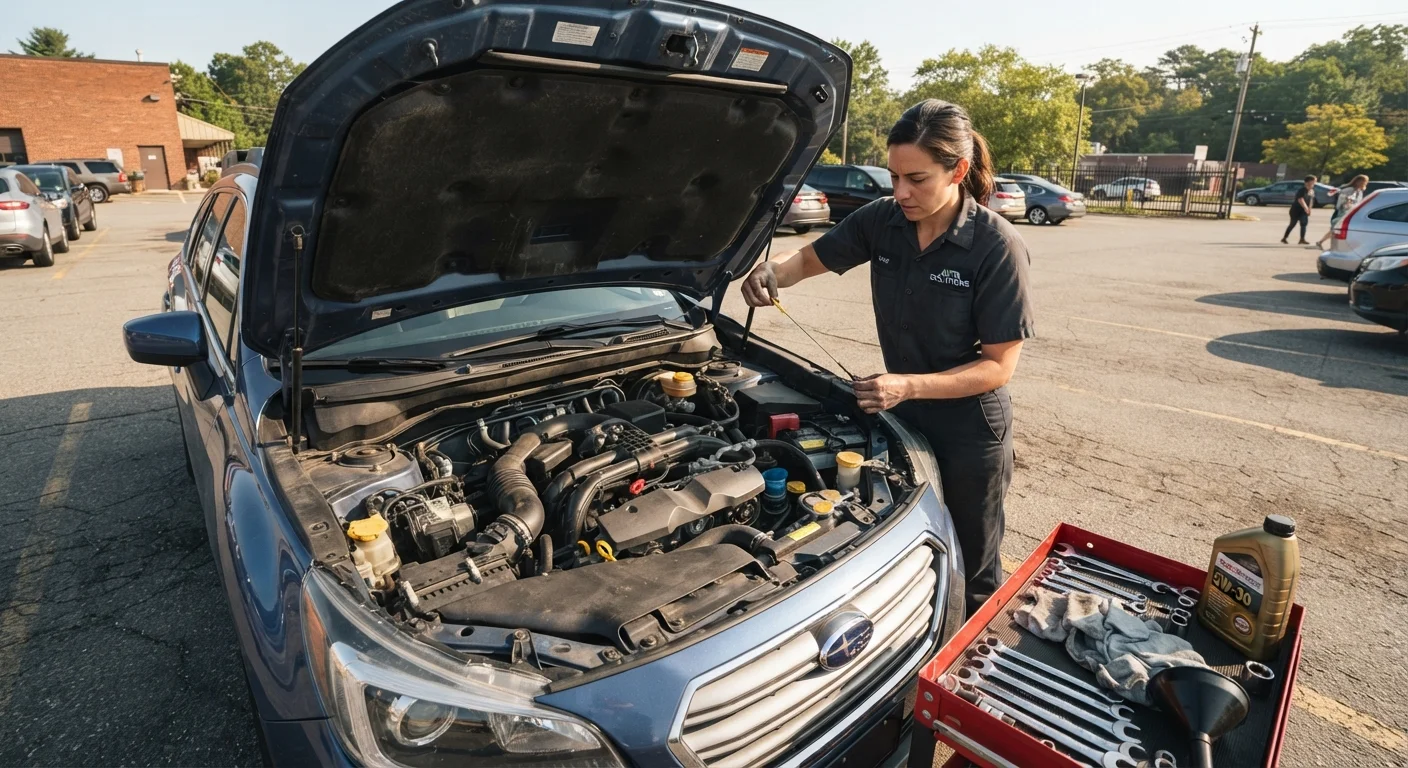
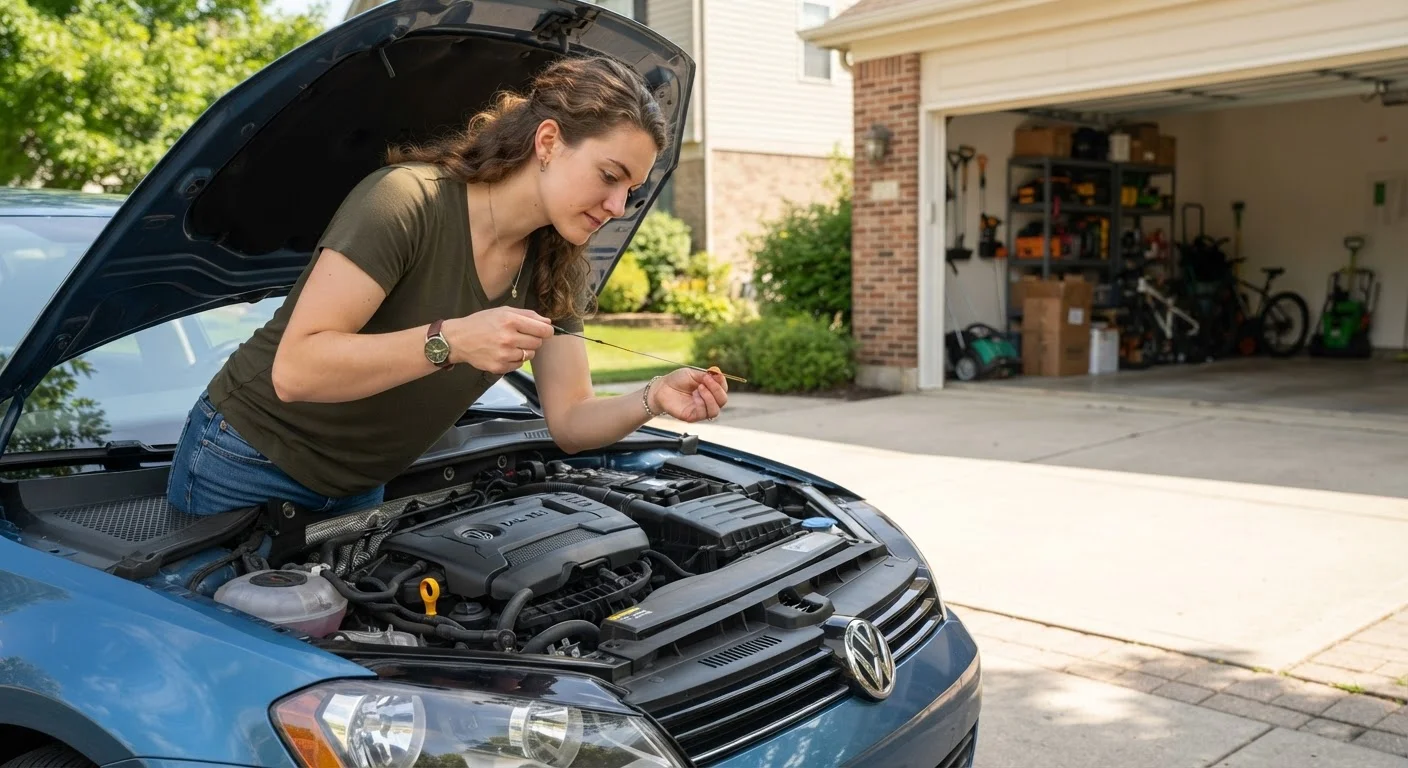
- Engine oil lubricates moving metal parts and reduces heat from friction. Check it monthly using the dipstick under the hood, and follow your manufacturer's recommended change interval.
- Coolant (antifreeze) keeps the engine from overheating in summer and freezing in winter. Check it when the engine is cold using the translucent overflow reservoir.
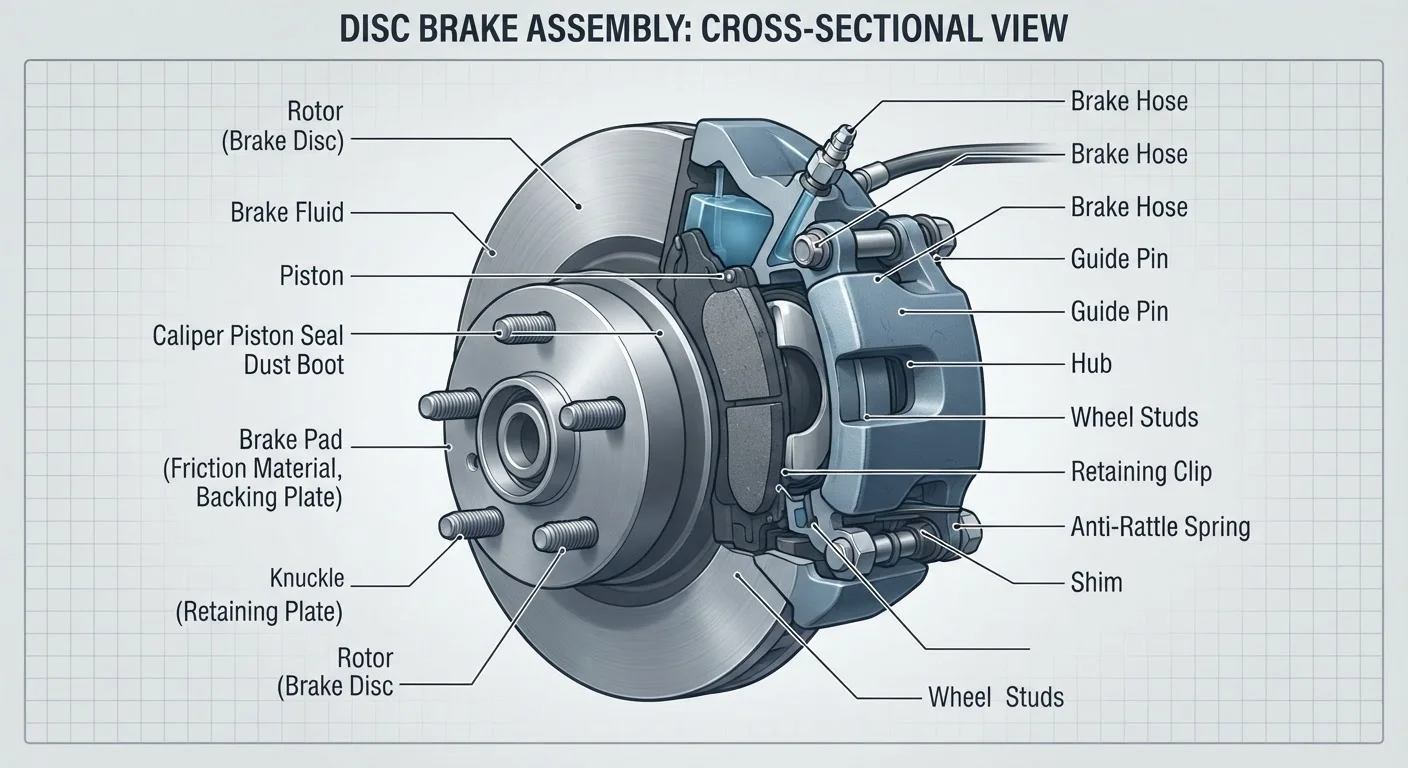
- Brake fluid transmits pressure through the hydraulic brake system. A low or dirty brake fluid level can signal a leak or worn brake pads and should be inspected promptly.
- Transmission fluid keeps the transmission's internal components lubricated. Many modern vehicles have sealed transmissions - check your manual to see if yours is serviceable by the owner.
- Power steering fluid (on older vehicles with hydraulic steering) keeps steering effort smooth. Many newer cars use electric power steering and don't have this reservoir.
Make it a habit to do a quick fluid check once a month. It takes less than five minutes and can surface developing problems before they become costly.
Build a Simple Monthly Habit
Set a recurring reminder on the first of each month to do a five-minute walkaround: check tire pressure, peer under the hood for fluid levels, and scan for any warning lights on the dashboard. Catching a slow leak or a low coolant level early is far less disruptive - and less expensive - than dealing with the consequences later.
Tires, Brakes, and the Checks You Can Do Yourself
Your tires and brakes are the two systems most directly connected to your safety on the road. Both are easier to monitor than most first-time owners expect.
Tire Basics
Check tire pressure at least once a month and before any long highway trip. Underinflated tires wear unevenly, reduce fuel efficiency, and increase blowout risk. The correct pressure for your vehicle is listed on a sticker inside the driver's door jamb - not on the tire sidewall, which shows the maximum pressure the tire can handle.
Also inspect tread depth periodically. The classic quarter test: insert a quarter into a tread groove with Washington's head pointing down. If the top of his head is visible, tread depth is getting low and replacement should be considered soon. Uneven wear patterns - cupping, feathering, or wear concentrated on one edge - can signal alignment or suspension issues that a mechanic should evaluate.
Brake Awareness
You don't need to be a mechanic to notice brake warning signs. Squealing, grinding, vibration when braking, or a soft, spongy pedal feel are all signals to have your brakes inspected without delay. Many brake pads include a metal wear indicator designed to produce a squealing sound when pads are nearly exhausted.
For more on safe driving habits that complement proper vehicle maintenance, our Safe Driving hub covers road awareness and defensive driving practices worth reading alongside this guide.
Using Your Owner's Manual and Service Schedule
The single most underused tool available to new car owners is the owner's manual sitting in the glove compartment. Inside is a maintenance schedule - built specifically for your make, model, and engine - that tells you exactly when to service each component.
Service intervals are typically expressed in miles, months, or both (whichever comes first). Common milestones include oil changes, air filter replacement, spark plug service, transmission service, and timing belt or chain inspection. Following this schedule is especially important during the warranty period, as skipping manufacturer-recommended service can affect warranty coverage.
Our article on reading your owner's manual maintenance schedule walks through how to interpret the service table step by step - a worthwhile 10-minute read that will make the schedule far less intimidating.
If your vehicle didn't come with a physical manual, most manufacturers make digital versions available on their official websites by searching your model year, make, and model.
Severe vs. Normal Driving Conditions
Many owner's manuals list two service schedules: one for 'normal' driving and one for 'severe' conditions. Severe conditions include frequent short trips under five miles, stop-and-go urban driving, towing, or driving in extreme temperatures. Many American drivers actually qualify as 'severe' by these definitions, so review the criteria in your manual and apply the appropriate schedule.
When to See a Mechanic - and What to Ask
Knowing your limits is a genuine skill. Some checks and minor tasks - topping off washer fluid, swapping wiper blades, checking tire pressure - are safe and practical for most owners to handle. But other work should always go to a qualified mechanic.
Brake repairs, suspension or steering issues, electrical faults, and any work involving the fuel system fall firmly in the professional category. Attempting these without proper training, tools, and workspace can cause injury or significant additional damage to the vehicle.
When you do visit a mechanic, bring a few things with you:
- A written description of any symptoms you've noticed - sounds, smells, warning lights, or changes in handling
- Your vehicle's current mileage
- Any recent service history you have (receipts or a maintenance log)
Ask the mechanic to explain what they found and why a repair is necessary before authorizing work. A trustworthy shop will walk you through the diagnosis clearly. If something is unclear, it's reasonable to ask for clarification or a written estimate.
As your ownership experience grows, you'll find that the full car maintenance overview is a natural next step - it covers every major vehicle system in detail for drivers ready to go deeper. And if you're also thinking about how maintenance fits into your monthly expenses, building a basic budget is a practical companion for planning vehicle costs alongside everything else.