
The True Cost of Car Ownership
The sticker price - or the monthly loan payment - is the number most first-time buyers focus on. It is not the number that will most affect your finances over the next twelve months. The full cost of car ownership includes insurance premiums, fuel, routine maintenance, registration fees, and the often-overlooked reality of depreciation.
Car depreciation hits hardest in year one - most vehicles lose a significant share of their market value in the first twelve months, which matters if you ever plan to sell or trade in. Understanding this from the start sets realistic expectations and discourages decisions that could lock in losses, like trading in too early.
A practical approach is to add up all non-payment monthly costs - insurance, average fuel spend, a monthly estimate for scheduled maintenance - before you finalize your budget. For a broader look at how these costs interact over a vehicle's life, the full picture of car ownership costs covers every major financial and practical dimension.
Depreciation
The reduction in a vehicle's market value over time. Cars typically lose the most value in the first year of ownership, which matters if you plan to sell or trade in.
Liability coverage
A required component of auto insurance that pays for damage or injuries you cause to others in an accident. It does not cover damage to your own vehicle.
Comprehensive coverage
Optional insurance that covers damage to your car from non-collision events like theft, weather, or falling objects. Often required by lenders when you finance a vehicle.
Vehicle registration
A state-issued authorization that identifies your car for legal road use. It must be renewed periodically and proof must be kept in the vehicle.
Preventive maintenance
Scheduled upkeep - like oil changes and tire rotations - performed before a problem develops, to extend vehicle life and reduce the chance of costly repairs.
Owner's manual
The manufacturer-provided booklet that documents your specific vehicle's recommended maintenance intervals, fluid specifications, and operational guidelines.
Insurance, Registration, and Legal Basics
Every U.S. state requires drivers to carry a minimum level of auto insurance. What varies is the required amount and the coverage types mandated. At minimum, you will need liability coverage, which pays for harm you cause to others. If you financed your vehicle, your lender will almost certainly require you to also carry comprehensive and collision coverage to protect their financial interest in the car.
Don't Confuse Minimum Coverage with Full Protection
State minimum insurance requirements set the legal floor, not a safety net. Minimum liability limits can be exhausted quickly in a serious accident, leaving you personally responsible for remaining costs. Review your coverage limits carefully with a licensed insurance agent before assuming you're adequately protected.
Registration is a separate legal requirement. After purchase, you typically have a limited window - often 30 days, though it varies by state - to register the vehicle with your state's motor vehicle authority. Registration must be renewed on the state's schedule, and proof of current registration must be carried in the vehicle. Failing to renew can result in fines or, in some cases, having your vehicle flagged during a traffic stop.
Store your insurance card and registration documentation in the glove compartment or another accessible location. If you go digital, confirm your state accepts electronic proof - most do, but verify before relying on it.
Building a Maintenance Routine Early
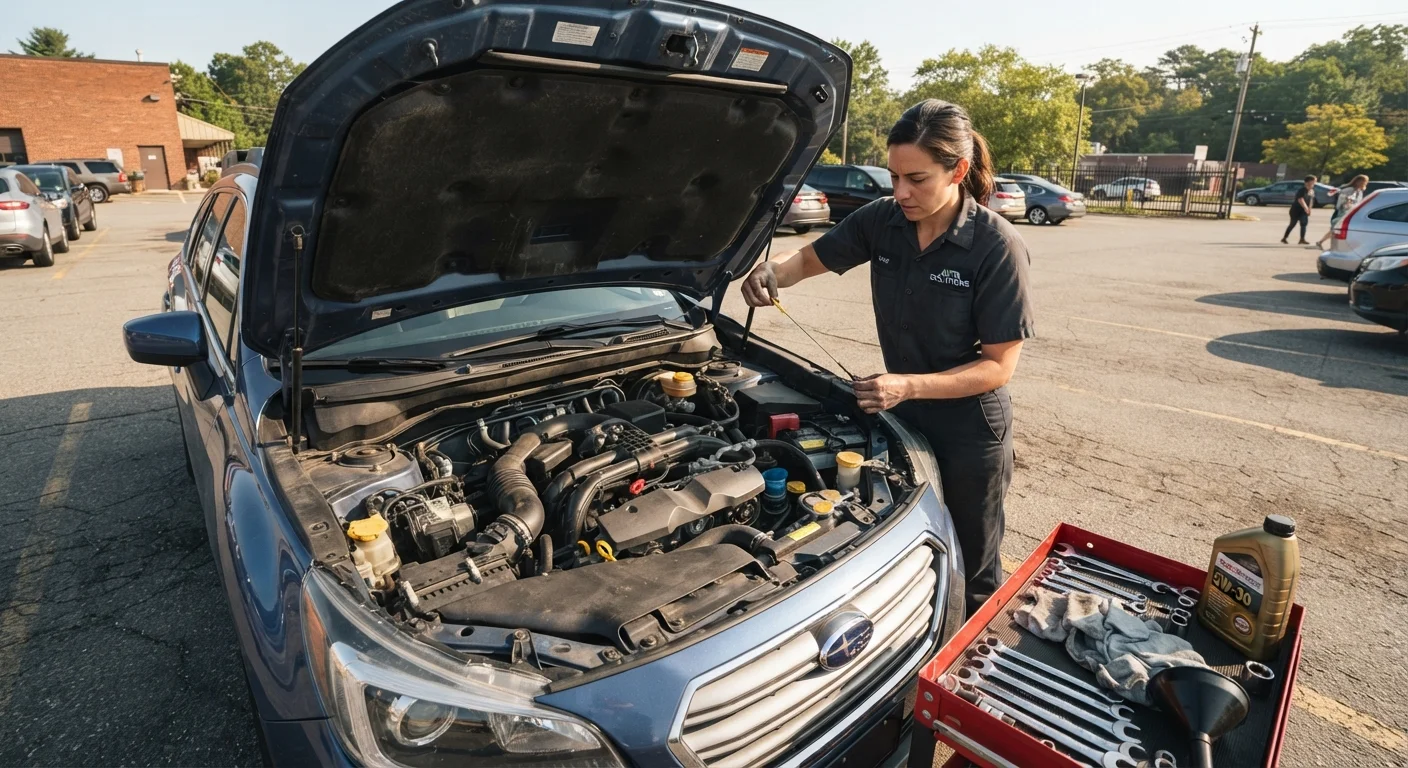
Preventive maintenance is the single most effective way to avoid expensive repairs later. The foundation of any maintenance routine is simple: follow the intervals in your owner's manual, not assumptions inherited from older vehicles or general advice that may not apply to your specific car.
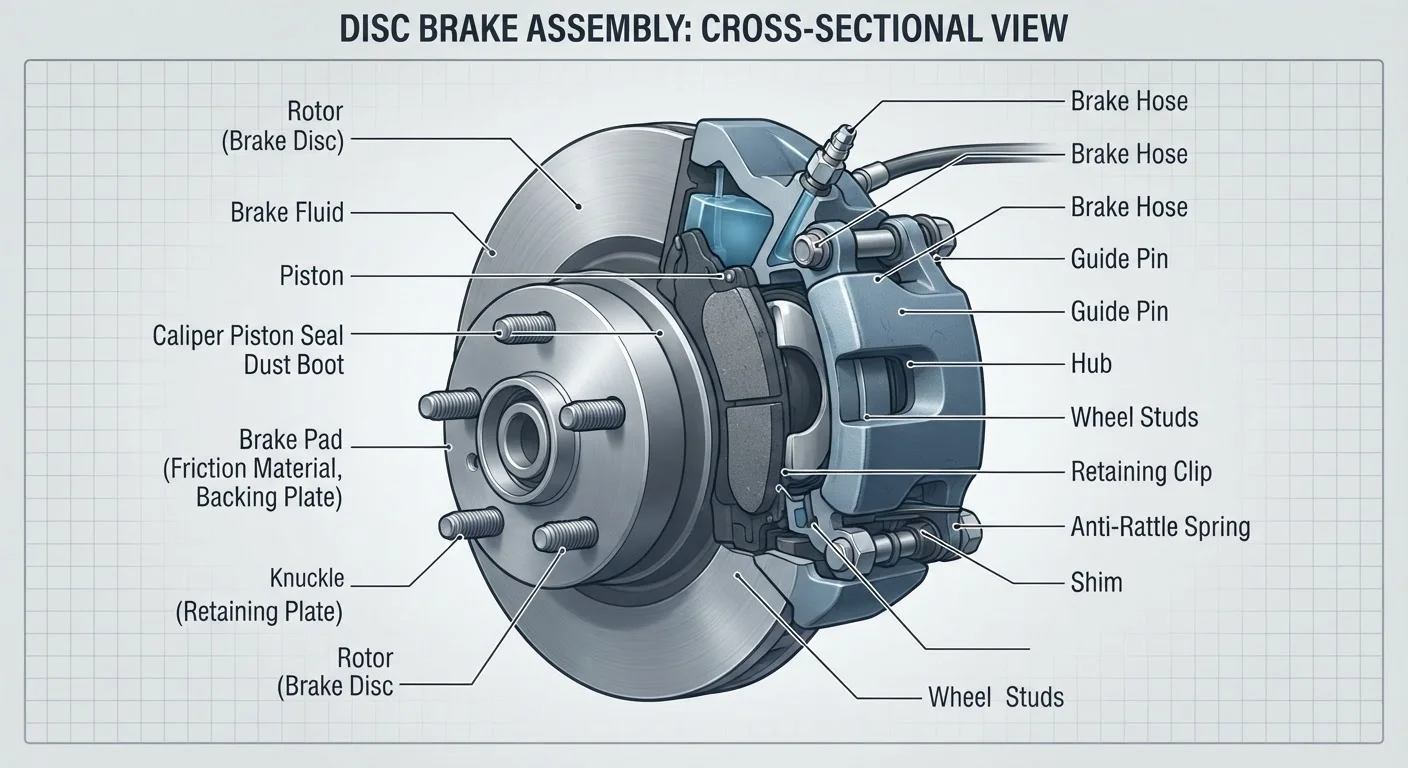
Core tasks in the first year include oil and filter changes at the manufacturer's recommended interval (which for many modern vehicles is longer than the old 3,000-mile guideline), tire rotation every 5,000-7,500 miles, regular tire pressure checks, and inspection of brake pads, lights, and key fluids. None of these require advanced mechanical knowledge to track - only a log and the willingness to schedule appointments.
Keep a Simple Maintenance Log
Record every service visit - date, mileage, and work performed - in a notebook or a free app. This log helps you stay on schedule, supports warranty claims, and adds documented value when you eventually sell the vehicle. It takes less than two minutes per visit.
For a deeper introduction to what each of these tasks involves and when to involve a professional, this guide to first-car maintenance basics is a strong starting point. It covers what to check, when, and how to recognize signs that something needs attention beyond routine upkeep.
Explore the Car Maintenance hub for additional upkeep guidance organized by topic.
Your Owner's Manual Is Your Best Reference
Manufacturer recommendations in your owner's manual override generic advice. Oil change intervals, tire rotation schedules, and fluid types vary significantly between vehicles. When in doubt about any maintenance question, the manual is the authoritative first stop - before online forums or word of mouth.
Smart Habits for the Long Haul
Good ownership habits built in year one tend to compound in value over the life of the vehicle. Beyond keeping up with maintenance, a few practical behaviors make ownership simpler and less costly over time.
- Drive attentively. Aggressive acceleration and hard braking increase wear on brakes, tires, and the drivetrain. Safe driving habits reduce both risk and mechanical stress.
- Respond to warning lights promptly. Dashboard warning lights are early signals, not decorations. Ignoring them often turns a minor issue into a major repair.
- Keep records organized. Receipts, service records, and inspection reports have real value - both for warranty purposes and when you eventually sell or trade in the vehicle.
- Revisit your costs annually. Insurance premiums, registration fees, and your own driving patterns change. A yearly review of ownership costs and coverage keeps you from overpaying or being underinsured. The Annual Vehicle Ownership Audit provides a structured framework for exactly that kind of review.
First-time ownership carries a learning curve, but the fundamentals are not complicated. Stay current on obligations, build maintenance habits early, and make spending decisions based on the full cost picture - not just the monthly payment.