Why Your Car Starts Losing Value Before You Reach Home
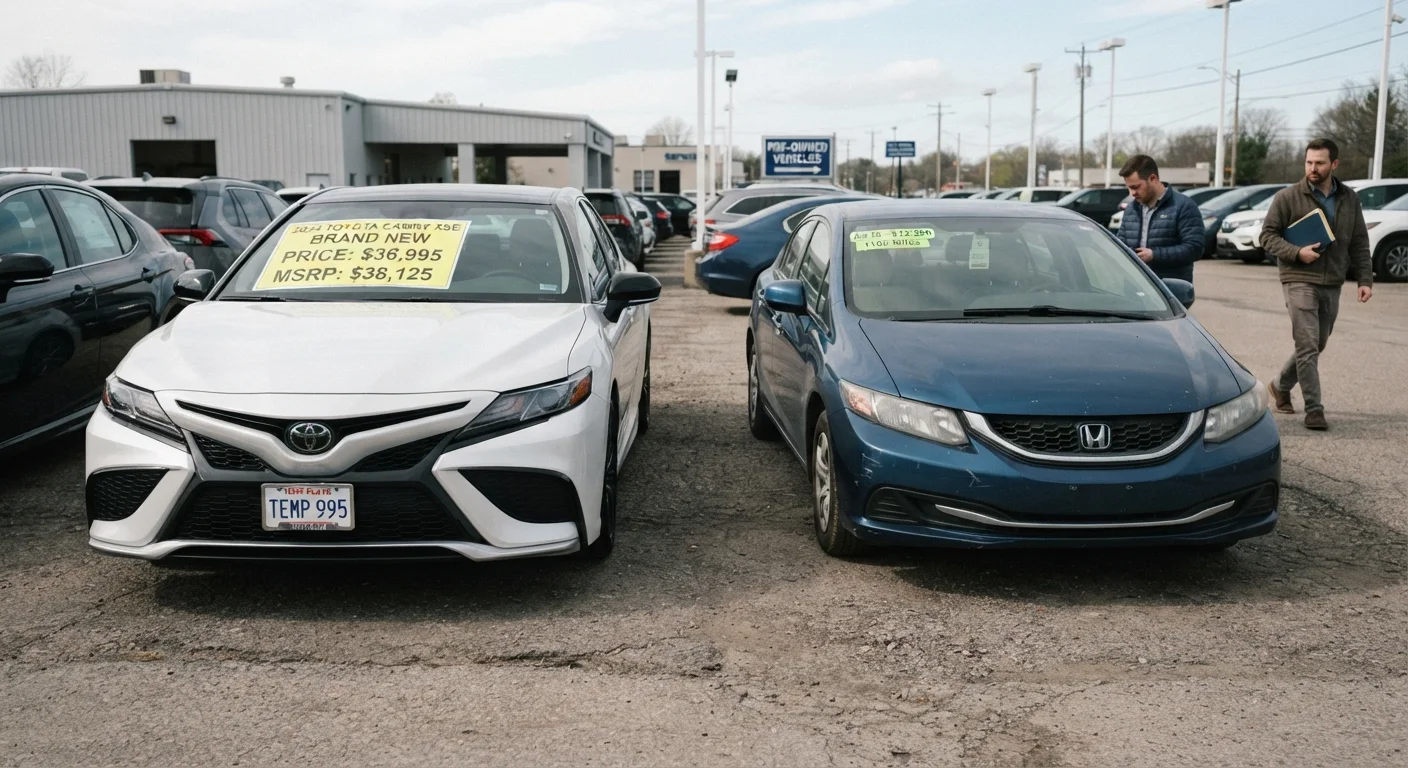
The moment a new vehicle is driven off a dealership lot, its status changes - legally, financially, and in the eyes of any future buyer. It is no longer a new car; it is a used one. That shift in classification triggers an immediate and significant drop in market value, even if the odometer reads fewer than 50 miles.
This is the core mechanic of depreciation: a vehicle's worth is not fixed. It declines continuously, shaped by time, mileage, condition, and market forces. For most drivers, depreciation represents the largest single cost of ownership - outpacing fuel, insurance, and maintenance combined over a five-year period.
Understanding depreciation isn't just an accounting exercise. It directly affects decisions about when to sell, whether to lease or buy, and how to evaluate the true cost of a vehicle purchase. For a broader view of what owning a car actually costs, see the full financial picture of car ownership.
15-25%
Average new car value lost in year one
Industry valuation benchmarks consistently show this range for the first 12 months of ownership across most vehicle categories.
~50%
Typical value lost after five years
Many vehicles lose roughly half their original value within five years, though the rate varies significantly by make, model, and market conditions.
#1
Depreciation as largest five-year ownership cost
For many drivers, depreciation exceeds fuel, insurance, and maintenance costs combined over a typical five-year ownership period.
The Year-One Drop: Why It's So Steep
Industry data consistently shows that new vehicles lose between 15% and 25% of their purchase price during the first 12 months. On a $40,000 vehicle, that translates to $6,000-$10,000 in lost value within a single year - with no accidents, no neglect, and no unusual wear involved.
Several dynamics compound this drop. First, supply and psychology: buyers pay a premium for the certainty and status of "new." The moment a car is no longer new, that premium evaporates. Second, warranty positioning shifts - a one-year-old vehicle has consumed a year of its factory warranty. Third, new model years introduce updated features, which can make previous-year models less desirable almost overnight.
After the first year, depreciation typically slows into a more gradual decline. Years two through five often see a combined additional loss of 15-25%, spread over a longer period. By the time a vehicle is five years old, it may have lost 40-60% of its original value, depending on the model.
What Accelerates or Slows the Rate of Loss
Not all vehicles depreciate at the same pace. Several variables influence how quickly - or slowly - a car sheds value:
- Mileage: Higher annual mileage consistently depresses resale value. Vehicles driven well above typical annual averages (generally cited at 12,000-15,000 miles per year) tend to depreciate faster.
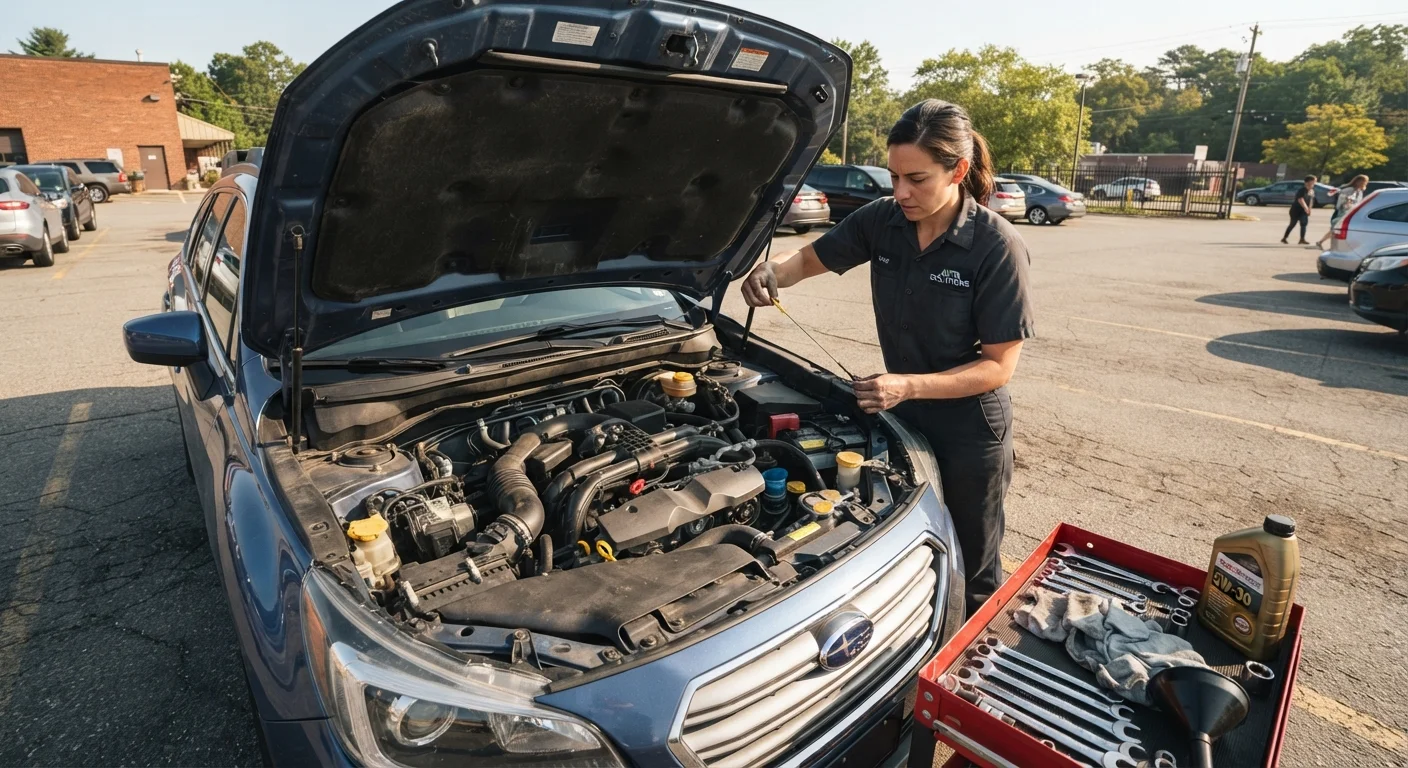
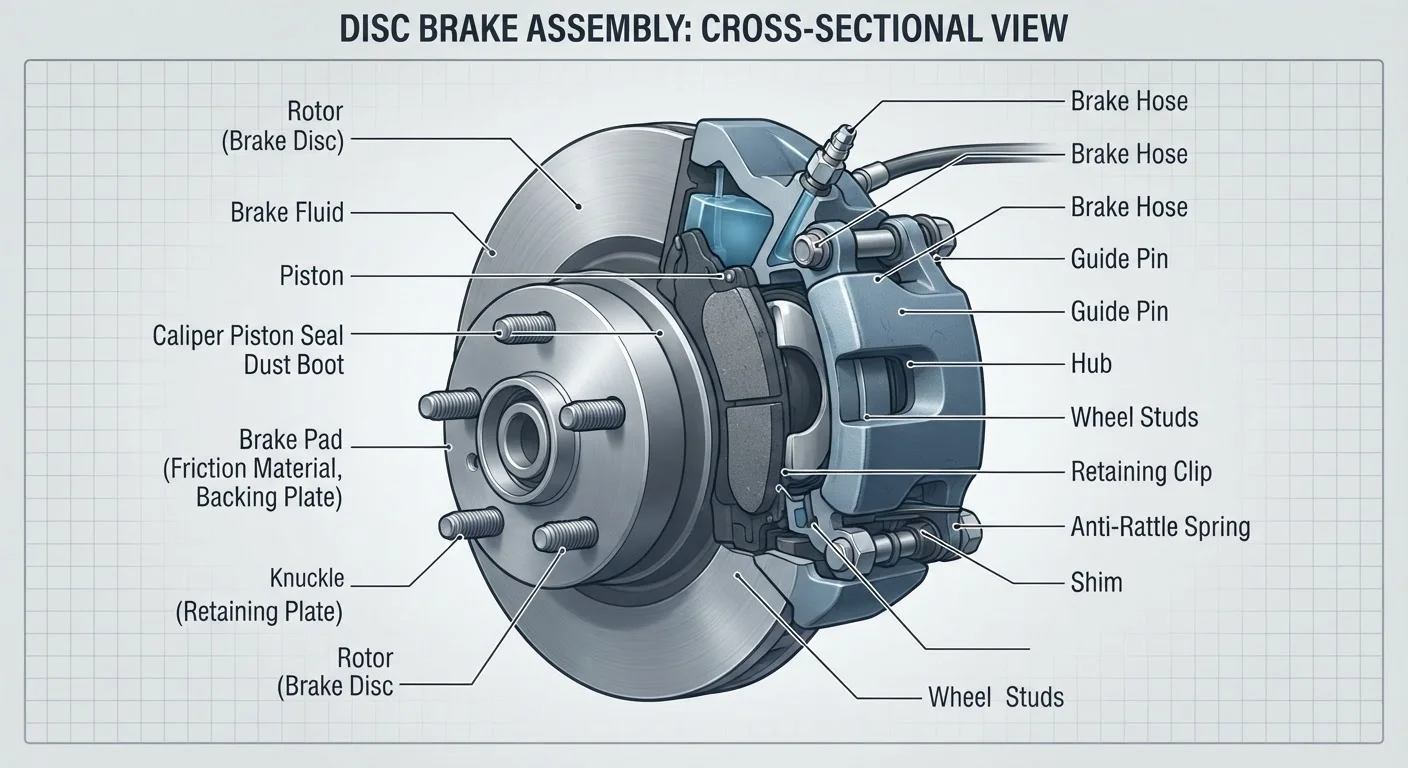
- Condition: Dents, interior wear, or deferred maintenance all reduce what a buyer is willing to pay. Maintaining a clean service history helps. Note that everyday driving habits like hard braking and skipping oil changes can silently accelerate wear and drag down resale value.
- Market demand: Vehicles with strong consumer demand - often trucks and certain SUVs in the U.S. market - historically retain value better than lower-demand segments.
- Fuel economy and reliability reputation: As fuel prices fluctuate and consumer priorities shift, models with strong efficiency or reliability records tend to hold value more consistently.
- Color and trim: Neutral colors and popular trim levels typically appeal to more buyers, which supports resale value relative to unusual configurations.
Protect Resale Value With Good Maintenance Records
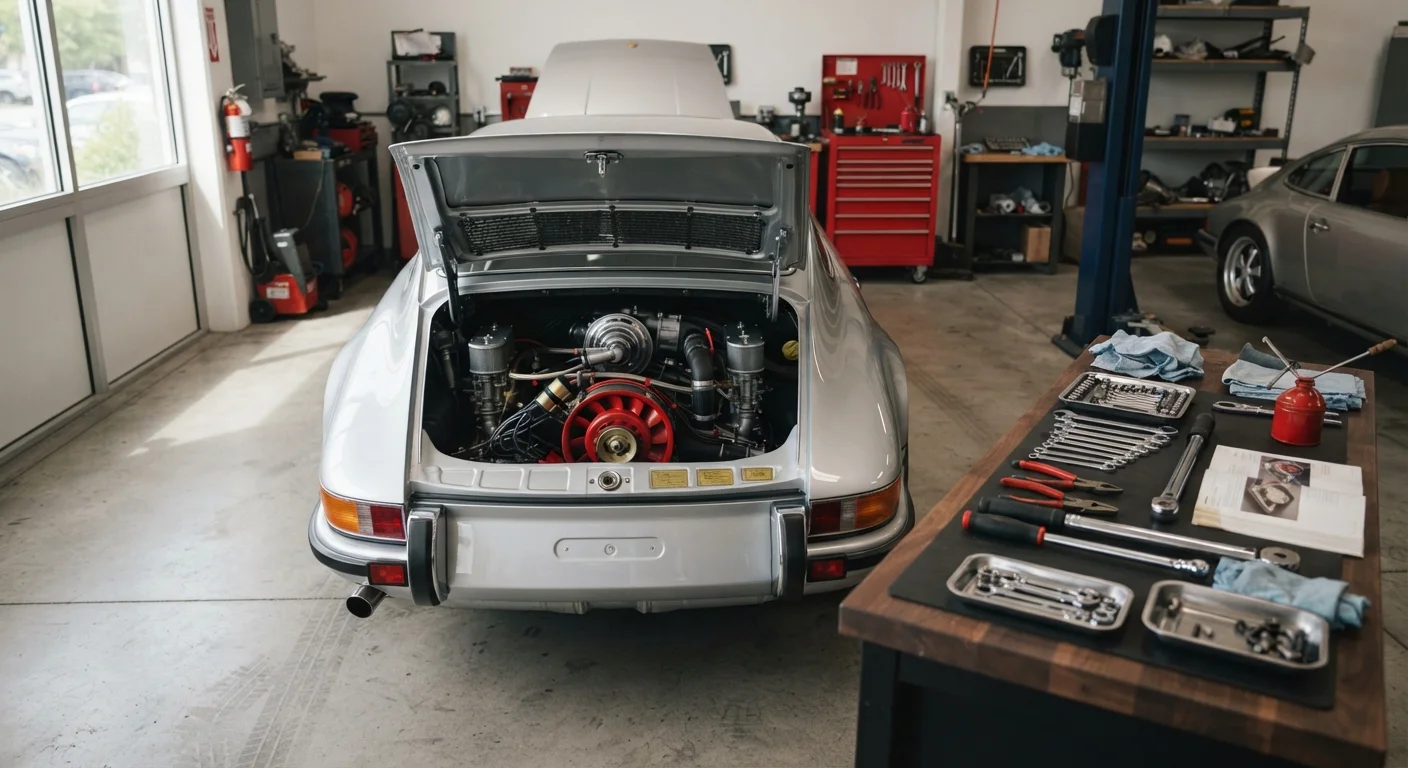
Keeping documented proof of oil changes, tire rotations, and scheduled service can meaningfully support a vehicle's resale value. Buyers and dealers alike pay attention to service history as a signal of how well the vehicle was maintained. Store receipts digitally or in a dedicated folder in your glove compartment.
How to Use Depreciation Knowledge to Your Advantage
Awareness of how depreciation works is a practical tool. Buyers who understand the year-one drop can make deliberate choices about vehicle age at purchase. A vehicle that is one to two years old has already absorbed the steepest portion of the depreciation curve, yet may still carry remaining factory warranty coverage and relatively low mileage.
For those set on buying new, choosing models with historically strong resale value - identifiable through vehicle history and valuation resources - can reduce the financial impact over time. Leasing is another path some drivers take specifically to sidestep long-term depreciation exposure, though it comes with its own trade-offs.
Depreciation also matters when deciding how long to keep a vehicle. Once a car has moved through its most rapid period of decline (roughly the first three to five years), the rate of value loss slows considerably. Holding a vehicle longer often means extracting more value from a stabilized asset. First-time buyers should be especially aware of this dynamic - what every first-time car owner should know before committing to a purchase includes understanding how quickly initial value can erode.
Vehicle ownership costs also shift across life stages and financial circumstances. How depreciation fits into your broader ownership costs will vary depending on where you are in life and how long you plan to keep the vehicle.
This article is for general informational purposes only and does not constitute financial or investment advice. Vehicle values vary by market, condition, and individual circumstances. Consult qualified professionals for decisions specific to your situation.