
Why Life Stage Changes Everything About Car Costs
The cost of owning a vehicle is rarely static. What you spend on a car in your mid-20s - and what that spending represents as a share of your income and obligations - looks very different from what you'll navigate at 45 or 70. Yet most discussions of vehicle costs treat ownership as a fixed financial equation rather than one that evolves alongside major life transitions.
The reality is that income levels, household structure, driving patterns, insurance eligibility, and even the types of vehicles that make practical sense all shift considerably over time. For a deeper look at what car ownership truly costs beyond the purchase price, see the full financial picture of car ownership. Understanding how each life stage reshapes your exposure to those costs is what separates reactive ownership from informed, intentional decision-making.
Costs Vary Widely by Location and Vehicle Type
Vehicle ownership costs are influenced by factors beyond age and life stage, including your state's registration and emissions requirements, local fuel prices, and urban versus rural driving patterns. Insurance rates vary significantly by ZIP code. These regional factors can shift total annual ownership costs by thousands of dollars, so general estimates should always be adjusted to your specific situation.
Ownership Costs by Life Stage
Early Adulthood (Ages 18-25): High Costs, Limited Resources
Young drivers face some of the highest per-mile ownership costs of any age group. Insurance premiums for drivers under 25 are significantly elevated due to statistical risk profiles maintained by insurers - a dynamic explained in detail in the guide on how auto insurance premiums are calculated. Add in entry-level incomes, limited credit history (which affects loan terms), and often a first vehicle purchased without the benefit of experience, and costs can consume a disproportionate share of take-home pay.
Common financial pitfalls at this stage include financing a vehicle that's too expensive relative to income, underestimating ongoing costs like fuel and registration, and skipping preventive maintenance to manage short-term cash flow - which typically creates larger repair bills later.
Insurance premiums and limited credit history make early adulthood one of the most expensive vehicle ownership phases.
Establishing Career Years (Ages 26-35): Balancing Ambition and Practicality
As incomes stabilize and credit improves, drivers in their late 20s and early 30s often face pressure to upgrade vehicles to match perceived status or accommodate new life circumstances - moving to a larger city, commuting farther, or starting a family. This is also frequently the stage when people take on their largest-ever auto loan.
Depreciation risk is highest on newer vehicles purchased during this period. A vehicle loses a substantial portion of its value in the first few years of ownership, and drivers who upgrade frequently absorb that loss repeatedly. Keeping a reliable vehicle longer - rather than trading up at the first sign of stability - is one of the more durable financial habits at this stage. Broader financial milestone planning, including how vehicle costs fit into saving and debt priorities, is covered in the article on financial milestones at every life stage.
Frequent vehicle upgrades during career-building years mean repeatedly absorbing significant depreciation losses.
Family Years (Ages 35-50): Utility Demands and Expanding Costs
Households with children typically shift toward vehicles optimized for capacity and safety rather than cost efficiency - minivans, crossovers, and full-size SUVs. These vehicles generally carry higher purchase prices, fuel costs, and insurance premiums than the smaller vehicles they replace.
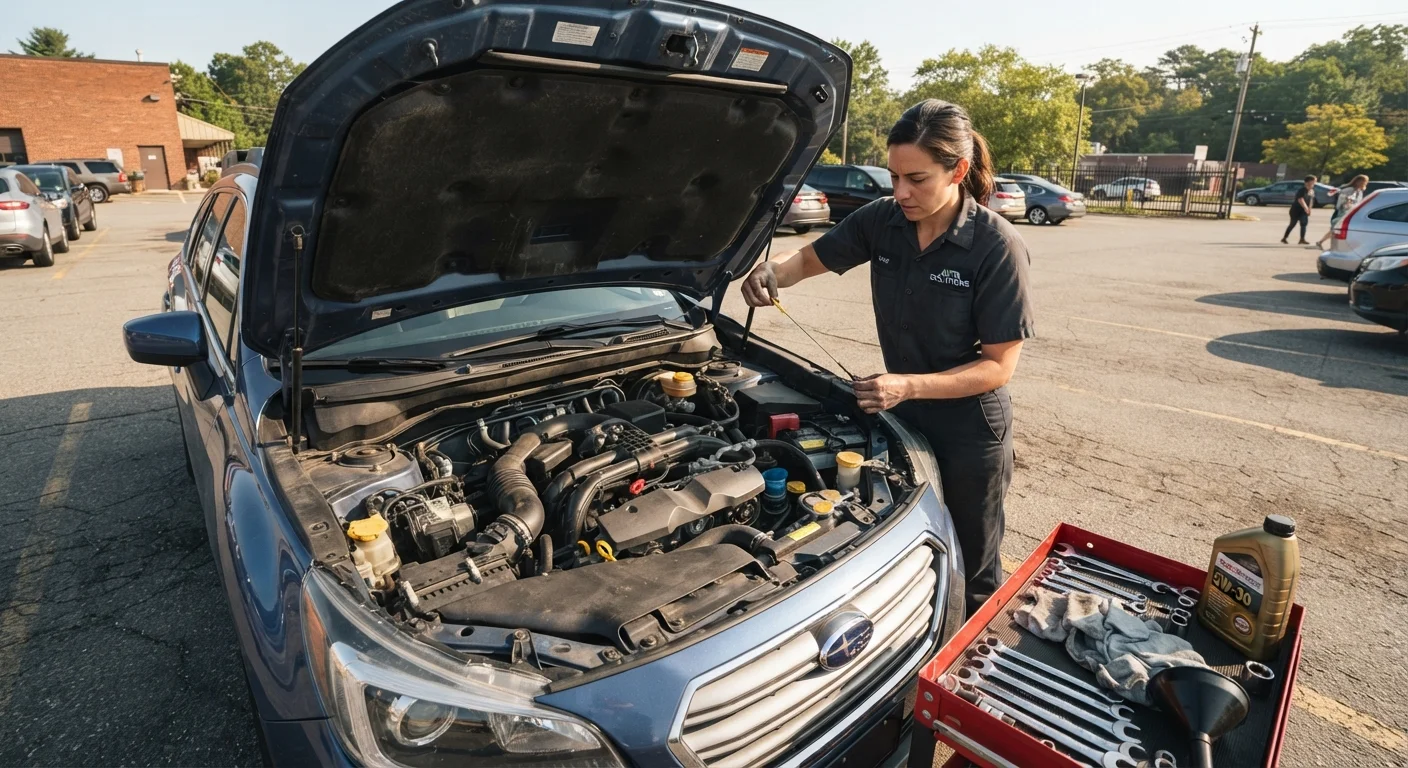
Maintenance complexity also increases as vehicles age and accumulate mileage through heavy family use. At this stage, many households manage two vehicles simultaneously, compounding registration fees, insurance, and upkeep costs. Building a dedicated vehicle maintenance fund - separate from a general emergency fund - can prevent large repair bills from disrupting other financial priorities during this already budget-intensive period.
Managing two vehicles simultaneously during family years can quietly double maintenance, insurance, and registration expenses.
Peak Earning Years (Ages 50-62): Opportunity to Reset Strategically
With children often out of the household and incomes typically at or near their peak, many drivers in their 50s have a genuine opportunity to right-size their vehicle situation. This may mean transitioning from larger family vehicles to more efficient options, paying off a vehicle outright to eliminate monthly loan payments, or investing in a reliable used vehicle that will serve well into retirement.
It's also worth avoiding common car ownership myths that cost drivers real money at this stage - particularly assumptions about when to replace a vehicle that can lead to unnecessary spending. Drivers who pay careful attention to total cost of ownership during this window are often better positioned for lower vehicle expenses in retirement.
The peak earning years offer a strategic window to eliminate auto debt and right-size your vehicle before retirement.
Pre-Retirement and Retirement (Ages 63+): Fixed Income, Fixed Priorities
Transitioning to a fixed or reduced income fundamentally changes how vehicle costs should be evaluated. A monthly car payment that was manageable on a working salary can strain a retirement budget considerably. Retirees who enter this phase without an auto loan - or with a single, reliable, fully paid-off vehicle - gain meaningful financial flexibility.
Driving patterns also change: fewer miles mean lower fuel costs and, in some cases, reduced insurance premiums. However, lower annual mileage can sometimes lead insurers to adjust coverage assumptions, and older vehicles may require more frequent maintenance. Additionally, some drivers in this stage may eventually need to reassess whether continued vehicle ownership makes financial and practical sense compared to alternatives like ride-sharing services or community transportation options. Comprehensive ownership review habits, such as those outlined in the full picture of car ownership, remain valuable at every age.
Entering retirement without an auto loan provides meaningful financial flexibility on a fixed income.
Track Ownership Costs Year by Year
Keeping a simple running log of what you spend annually on insurance, fuel, maintenance, registration, and loan payments gives you an accurate picture of your true vehicle costs - not just the monthly payment. Many drivers are surprised by how total annual costs compare to their initial estimates. Revisiting this log when major life changes occur helps you make vehicle decisions based on actual data rather than assumptions.
Planning Ahead Across the Ownership Timeline
Vehicle ownership decisions don't happen in isolation - they're connected to broader financial milestones like building an emergency fund, buying a home, or preparing for retirement. Thinking about those connections in advance, rather than reacting to them under pressure, consistently leads to better outcomes. The annual vehicle ownership audit is a practical tool for reviewing your costs and coverage every year as circumstances change.
When a vehicle no longer matches your life stage - whether it's too expensive, too large, or simply aging beyond practical use - it's worth working through the decision deliberately. Evaluating whether to sell, trade in, or keep your car with a clear framework helps avoid costly impulsive choices. The goal at every stage is alignment: matching your vehicle to what your life actually requires right now, not what it required five years ago.
This article provides general financial and automotive information for educational purposes. It is not personalized financial or legal advice. Readers should consult a qualified financial professional for decisions specific to their individual circumstances.