Start With an Honest Assessment of Your Car
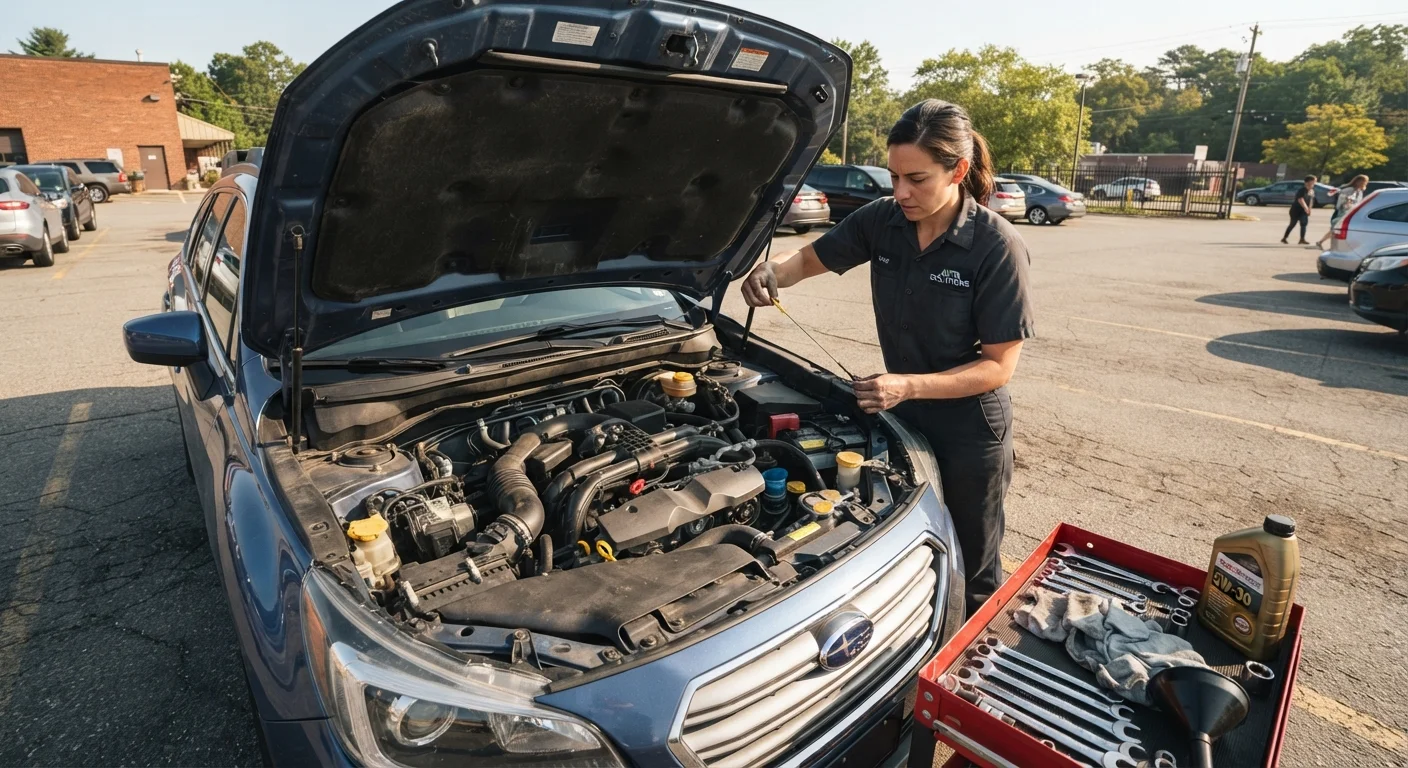
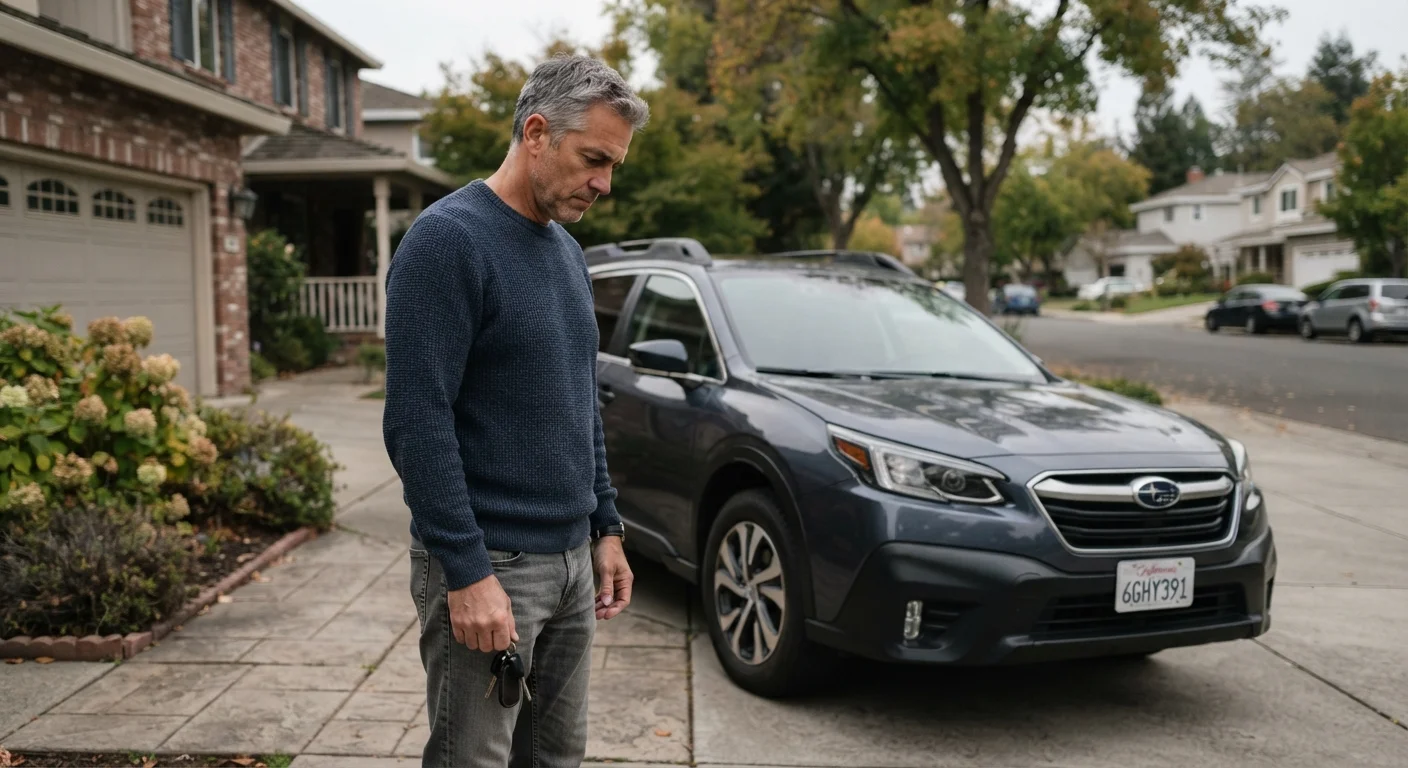
Before comparing options, you need a clear-eyed view of your vehicle's current state. Two numbers matter most: its market value and its projected repair costs. You can estimate market value through sources like dealer appraisal tools, published used-car pricing guides, or local listings for comparable vehicles. For repair costs, get a written estimate from a qualified mechanic - not a rough guess.
The classic rule of thumb is to reconsider keeping a car when a single repair approaches or exceeds the vehicle's market value. But that framing oversimplifies. A $2,000 repair on a reliable car worth $6,000 is often still a better financial move than taking on a $500-per-month car payment. What matters is whether you're spending more annually on repairs than you'd spend replacing the vehicle - and whether that spending trend is likely to continue.
Good car maintenance records also affect this calculation. A vehicle with documented, consistent upkeep tends to hold its value better and signal lower risk to buyers - or to you, if you're deciding whether to keep it.
The Case for Keeping Your Car
Keeping a paid-off vehicle eliminates a monthly payment and typically results in lower insurance premiums, since lenders generally require more comprehensive coverage. For owners whose cars are mechanically sound, this can represent significant annual savings compared to financing a replacement.
Depreciation is also a strong argument for staying put. New and near-new vehicles lose value fastest in the first few years of ownership. A car you've already owned for several years has passed through that steepest decline. Unless your current vehicle has serious reliability concerns, keeping it avoids absorbing that front-loaded depreciation cost on a replacement.
The harder question is reliability. If your vehicle is leaving you stranded or requiring repairs that are unpredictable in both timing and cost, the math shifts. The financial burden of owning a car changes across life stages, and what's manageable at one point may not be at another.
Get a Mechanic's Assessment First
Before deciding anything, have a trusted mechanic perform a pre-decision inspection - not just a quote for a specific repair, but a general condition assessment. This gives you a more complete picture of what you're likely to spend over the next 12 to 24 months. It's a small upfront cost that can prevent a poorly-informed decision in either direction.
Trading In vs. Selling Privately
If you've decided to move on from your current vehicle, the next question is how to sell it. Each path involves real trade-offs.
| Keeping the Car | Trade-In | Private Sale | |
|---|---|---|---|
| Financial outcome | No transaction cost; avoids depreciation hit | Convenient but typically lowest return | Usually highest return on vehicle value |
| Time and effort required | Minimal - no transaction needed | Low - handled at dealership | High - listing, negotiating, paperwork |
| Speed of process | Immediate - no process | Fast - same day possible | Slow - days to weeks |
| Ongoing cost exposure | Repair and maintenance costs | New payment, insurance may increase | One-time effort, then done |
| Best when... | Car is reliable and paid off | You're buying a replacement vehicle | You have time and want maximum value |
Trade-ins are handled directly through a dealership when you purchase a replacement vehicle. The process is fast and administratively simple - the dealer handles paperwork, any outstanding loan payoff, and the transfer of ownership. The trade-off is price: dealers factor in reconditioning costs and their own margin, so offers typically run below private-sale values.
A private sale requires more effort - listing the vehicle, fielding inquiries, arranging test drives, and navigating paperwork - but usually results in a higher sale price. You're selling to an end user rather than a reseller, which removes one layer of markup. The downside is time and the complexity of handling the transaction yourself, including managing title transfer correctly in your state.
Some owners use third-party vehicle-buying services as a middle path: faster than a private sale, sometimes more competitive than a dealer trade-in, though offers vary widely and are worth comparing carefully before accepting.
Factors That Should Drive the Decision
A few practical considerations often tip the balance more than the financial math alone:
- Your timeline: A private sale can take weeks or longer. A trade-in can happen in a day. If you need a replacement vehicle quickly, that matters.
- Your financial buffer: If your car breaks down frequently and you don't have savings to absorb unpredictable repair bills, the stability of a reliable replacement vehicle - even with a payment - may be worth the cost.
- Your mileage and use patterns: High-mileage drivers put more wear on a vehicle annually, accelerating the depreciation and maintenance curve. Lower-mileage drivers often get more value from extending a vehicle's life.
- Local market conditions: Used vehicle prices fluctuate based on supply, demand, fuel prices, and economic conditions. What your vehicle is worth today may differ from what it was worth a year ago.
For service decisions on the car you keep, understanding the trade-offs between dealership service and independent mechanics can help you manage ongoing maintenance costs more effectively.
Don't Assume a New Car Solves the Problem
Replacing a car comes with its own costs: higher insurance requirements, loan interest, registration fees, and the fact that nearly all vehicles depreciate immediately after purchase. If your primary motivation for replacing your car is frustration rather than a documented pattern of costly repairs, make sure the numbers genuinely support the switch before committing.