Why the Choice Actually Matters
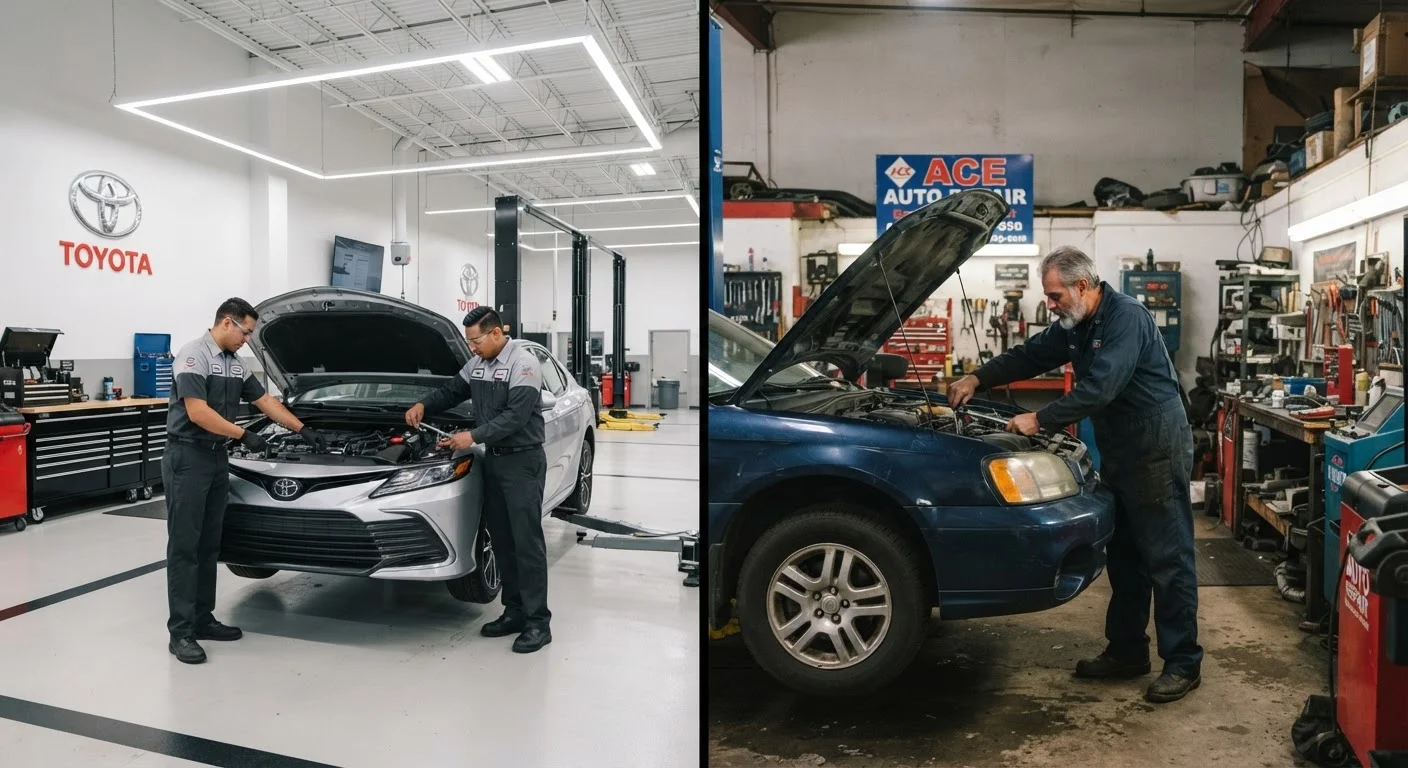
Most drivers pick a service provider by habit or proximity and stick with it indefinitely. That approach can work - but it can also mean overpaying for routine oil changes or, in the other direction, missing out on warranty protections you're entitled to. Understanding what dealerships and independent mechanics each do well helps you make a deliberate choice rather than a convenient one.
The decision connects directly to the total cost of ownership over the life of your vehicle. Whether you're navigating routine maintenance or an unexpected repair, the provider you choose affects parts quality, diagnostic accuracy, turnaround time, and your final bill. For drivers thinking about the broader picture of vehicle ownership, service provider choices are one of the levers you can actually control.
The Case for Dealership Service
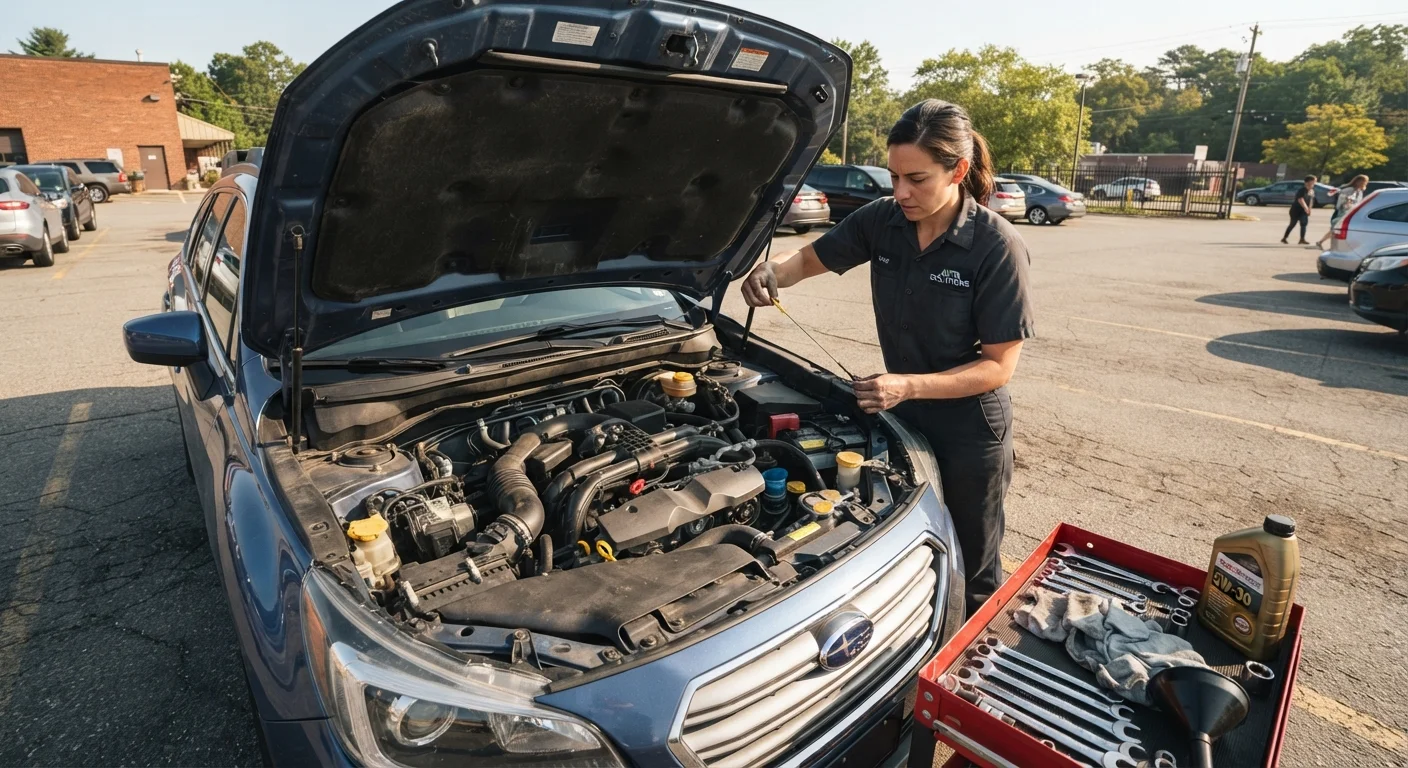
Dealerships employ technicians who receive factory training specific to the brand they service. For vehicles with complex, proprietary systems - advanced driver-assistance features, hybrid or electric drivetrains, brand-specific transmission calibrations - that specialization carries real weight. A technician who works exclusively on one brand's vehicles will likely have seen your specific failure mode before.
Factory-trained, brand-specific technicians
Dealership technicians receive ongoing manufacturer training and have access to brand-specific service bulletins and diagnostic software, which matters most for complex or proprietary systems.
OEM parts as standard
Dealerships use Original Equipment Manufacturer parts by default, ensuring fit and specification match what the vehicle was built with - important for safety-critical and software-linked components.
Authorized for warranty and recall work
Only franchised dealerships can perform manufacturer-covered warranty repairs and federally mandated recall work, protecting your entitlements under the original purchase agreement.
Access to proprietary diagnostic tools
Some advanced fault codes and calibration procedures require OEM-level diagnostic equipment that independent shops may not have, particularly for newer vehicles with complex electronics.
Dealerships are also the only authorized providers for recall repairs and warranty-covered work. If your vehicle is still under its original manufacturer's warranty or a certified pre-owned warranty, having work performed at a dealership protects that coverage. Using a non-authorized shop for certain repairs can complicate warranty claims, though federal law (the Magnuson-Moss Warranty Act) generally prohibits manufacturers from voiding a warranty solely because a consumer used an independent shop for routine maintenance - it's worth understanding the specifics of your warranty language regardless.
Dealerships typically use OEM (Original Equipment Manufacturer) parts, which are the same components the vehicle was built with. This matters most when fit, material specification, or software compatibility is critical to the repair.
The Case for Independent Mechanics
Independent repair shops make up the majority of auto service businesses in the United States, and for good reason: they compete on price, flexibility, and customer relationships. Labor rates at independent shops are generally lower than at dealerships, sometimes significantly so, which makes a meaningful difference on multi-hour jobs.
Higher labor rates than most independents
Dealership service departments typically charge higher per-hour labor rates to cover facility costs, technician certification programs, and manufacturer overhead - a gap that adds up on multi-hour jobs.
Less flexibility on parts and pricing
Dealerships generally stick to OEM parts, which are often more expensive than quality aftermarket alternatives that would perform equivalently for many common repairs.
High volume can mean less personalized service
Busy dealership service departments handle large numbers of vehicles daily, which can reduce the individualized attention and proactive communication that builds long-term trust.
Upsell pressure on additional services
Service advisors at dealerships may recommend additional services based on mileage thresholds rather than actual vehicle condition, which can lead to unnecessary spending if not scrutinized.
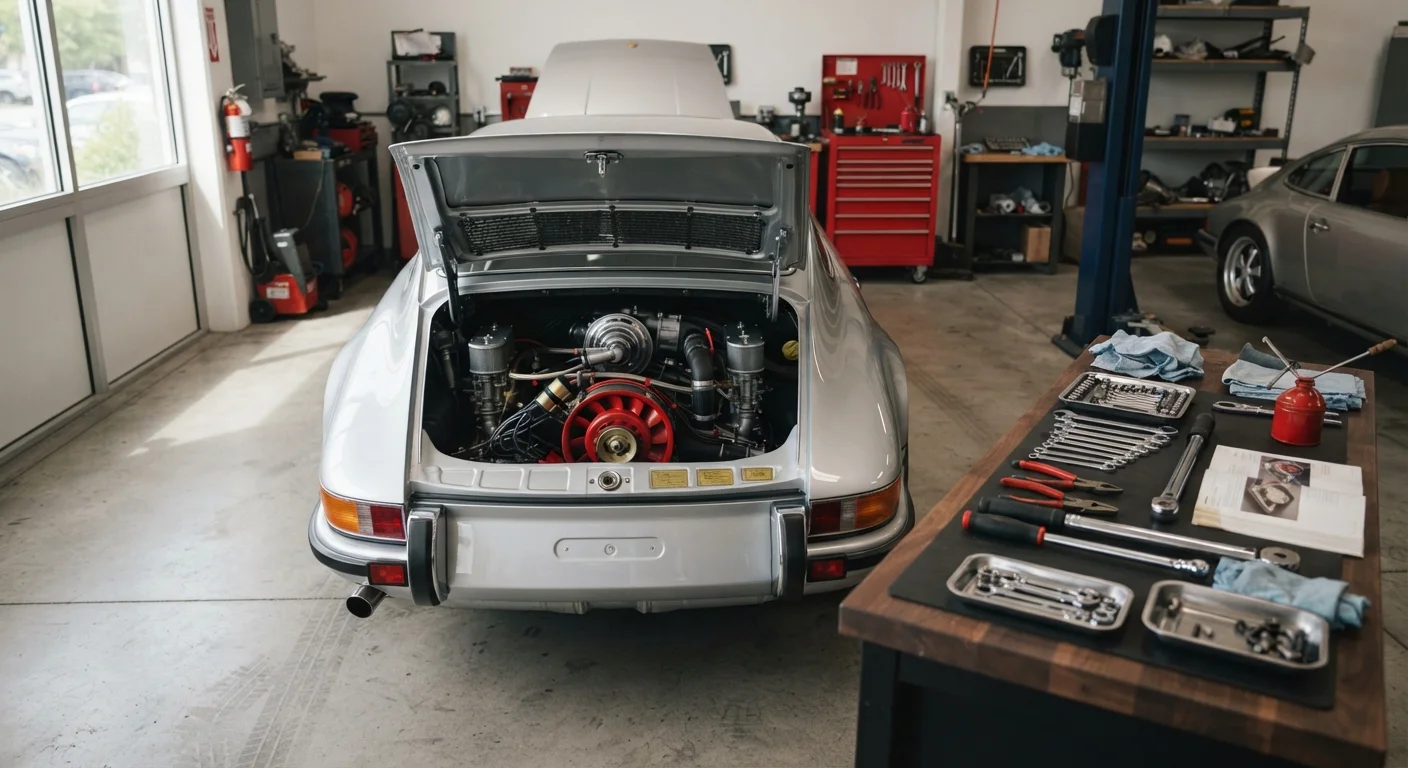
A skilled independent mechanic who has worked on a wide range of vehicles often develops broad diagnostic instincts that complement - and sometimes exceed - brand-specific training. For vehicles that are out of warranty, this breadth of experience is frequently more relevant than factory certification.
Independents also tend to offer more flexibility on parts sourcing. They can use OEM parts when necessary or recommend quality aftermarket alternatives that cost less. For routine services like tire rotation and alignment, the difference in outcome between a dealership and a reputable independent shop is typically negligible, while the price difference can be substantial.
The relationship factor matters too. A trusted independent mechanic who knows your vehicle's history can sometimes identify developing problems early - the kind of proactive communication that's harder to replicate at a high-volume dealership service department.
Key Factors to Weigh for Each Service Decision
Rather than committing to one type of provider permanently, consider these variables each time a service need arises:
- Warranty status: If your vehicle is under the original manufacturer's warranty or a certified pre-owned warranty, dealership service may be required or strongly advisable for covered repairs and recalls.
- Complexity of the repair: Highly brand-specific systems - certain hybrid battery diagnostics, proprietary software calibrations, or advanced safety system resets - may genuinely require dealer-level equipment and training.
- Vehicle age: On older, out-of-warranty vehicles, the cost advantages of a reputable independent shop often outweigh any benefit from factory-specific expertise.
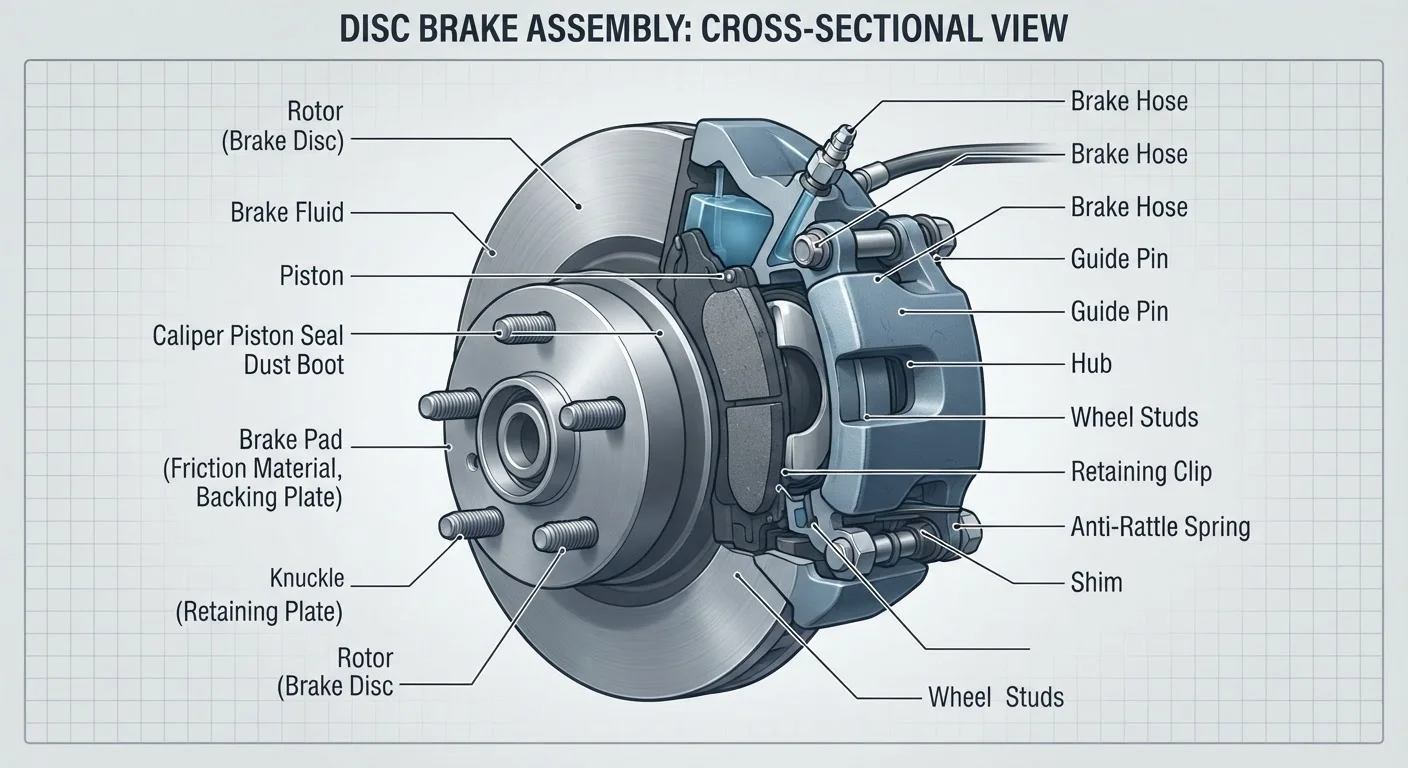
- Type of service: Routine maintenance (oil changes, brake pads, filters) is well within the capability of any competent independent shop. The same applies to many oil type decisions that affect how you schedule service intervals.
- Shop reputation: Regardless of type, look for ASE-certified technicians, verifiable reviews, and clear written estimates before authorizing any work.
Know Your Warranty Rights
Under the federal Magnuson-Moss Warranty Act, a manufacturer generally cannot void your vehicle warranty simply because you used an independent shop for routine maintenance, as long as the work meets required specifications. However, warranty terms vary, and some repairs may legitimately require authorized dealership service. Always read your warranty documentation and, when in doubt, consult your manufacturer's customer service line before authorizing work at a non-dealership provider.
This same logic - matching the provider to the complexity of the task - applies in other domains. The DIY vs. professional debate is familiar to anyone who has weighed the cost of advice against the risk of getting something wrong.
Getting the Most Out of Either Option
A few practices improve your outcomes regardless of which type of shop you use:
- Keep your own maintenance records. Don't rely solely on the shop's system to track service history - a documented record is valuable if you later sell or trade in your vehicle.
- Always request a written estimate before work begins and ask for replaced parts back when practical - especially for larger jobs like brake rotors or timing components.
- Ask whether parts used are OEM, OEM-equivalent, or aftermarket, and understand what that means for your specific repair.
- Get a second opinion on any repair estimate exceeding a few hundred dollars, particularly if it involves a diagnosis you don't fully understand.
Neither dealerships nor independent mechanics are monolithic categories. A poorly run dealership service department can deliver worse outcomes than an excellent independent shop, and vice versa. The quality of the individual technician and the culture of the service operation matter as much as the type of business.
~70%
Vehicle repairs performed outside dealerships
Industry estimates suggest the majority of post-warranty automotive repair and maintenance work in the U.S. is performed by independent shops rather than franchised dealerships.
10-40%
Typical labor rate difference
Consumer automotive resources commonly cite independent shop labor rates running 10 to 40 percent below dealership rates, though figures vary significantly by region and service type.