Why the Sticker Price Is Just the Starting Point
When most people shop for a car, they focus on the monthly payment or the purchase price. Both numbers matter - but neither tells the full story. The true financial commitment of owning a vehicle includes a range of ongoing costs that accumulate month after month, year after year.
For a clearer picture of what car ownership actually demands across your lifetime, the full picture of car ownership resource covers every major financial and practical dimension. This article focuses specifically on the cost categories that catch many buyers off guard.
$10,000+
Average annual new vehicle ownership cost
According to AAA's 'Your Driving Costs' study, the average American spends more than $10,000 per year to own and operate a new vehicle.
15-25%
New car value lost in year one
Industry data consistently shows new vehicles lose a significant share of their purchase value within the first 12 months of ownership.
~$0.16/mile
Average fuel cost per mile (gas vehicles)
Based on AAA driving cost data, fuel alone accounts for roughly $0.16 per mile for average new gas-powered vehicles in the U.S.
Depreciation: The Hidden Largest Expense
Depreciation - the decline in your vehicle's resale value over time - is consistently the largest single cost of owning a new car, yet it's rarely discussed at the dealership. A new vehicle can lose between 15% and 25% of its value within the first 12 months. Over five years, many vehicles retain only 40-60% of their original price.
This loss isn't a cash payment you'll see on a statement, but it's real money you spend every time you drive. When you sell or trade in the vehicle, you'll receive far less than you originally paid. Buyers who keep vehicles for eight to ten years effectively spread that depreciation over more time, lowering its annual impact.
If depreciation is a central concern in your decision, understanding how it compares between new and used vehicles is essential. Our article on new car vs. used car financial trade-offs breaks down how age and purchase price affect the depreciation curve.
“Depreciation is the elephant in the room when it comes to car costs. Most people fixate on the monthly payment, but the loss in vehicle value dwarfs many of the other expenses they'll pay over the life of ownership.”
— AAA Automotive Advisory Communications, Automotive consumer research organization
Insurance, Fuel, and Maintenance: The Monthly Reality
Beyond depreciation, three recurring costs shape the monthly experience of owning a car.
Insurance
Auto insurance is required in nearly every U.S. state, and premiums vary widely based on your location, driving history, coverage level, vehicle type, and age. Many drivers pay between $1,200 and $2,400 or more annually. Rates can shift significantly at renewal, so reviewing your coverage regularly is worthwhile.
Fuel
Fuel costs depend on how much you drive, local gas prices, and your vehicle's fuel economy. A vehicle rated at 25 mpg driven 15,000 miles per year consumes 600 gallons annually - a figure whose dollar value shifts with every fluctuation in pump prices. Electric vehicle owners face different but still real energy costs tied to electricity rates and charging infrastructure.
Maintenance and Repairs
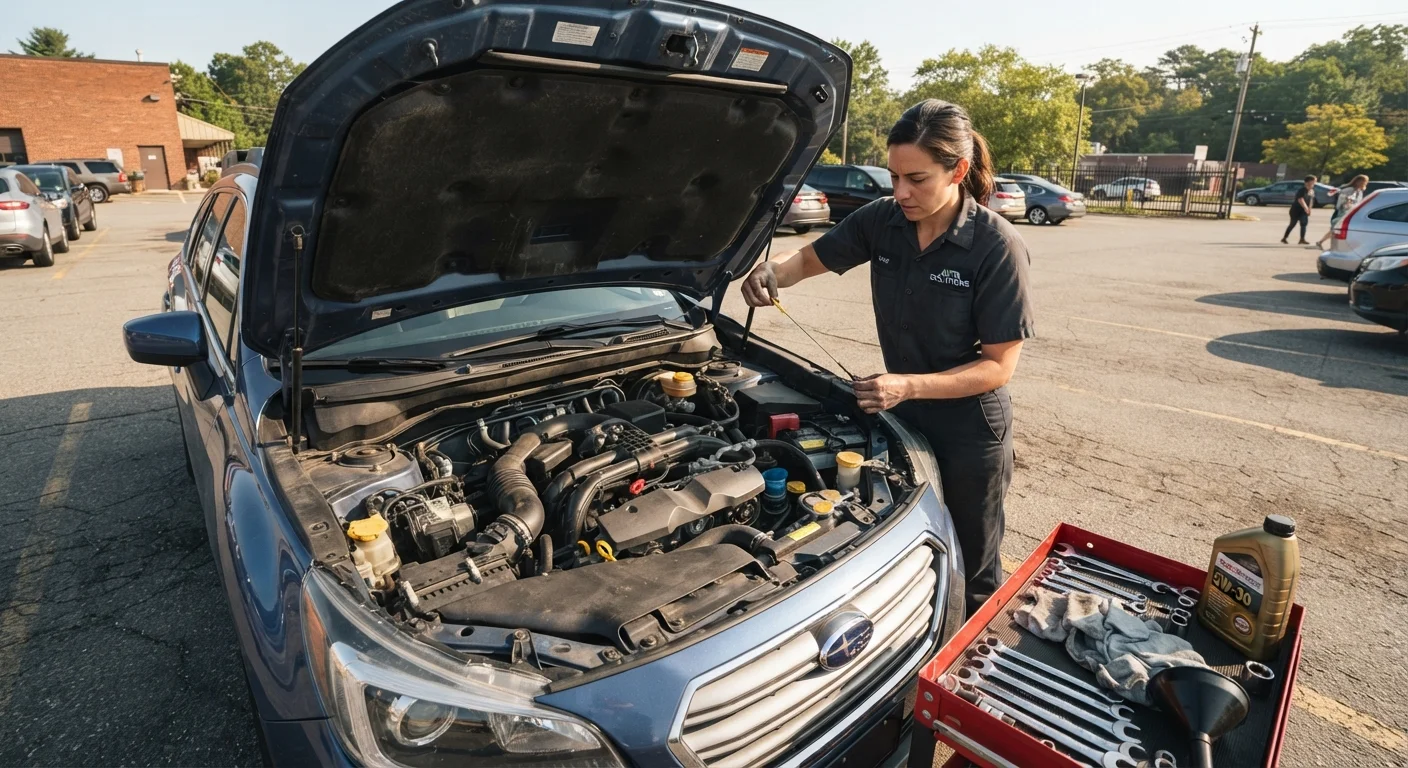
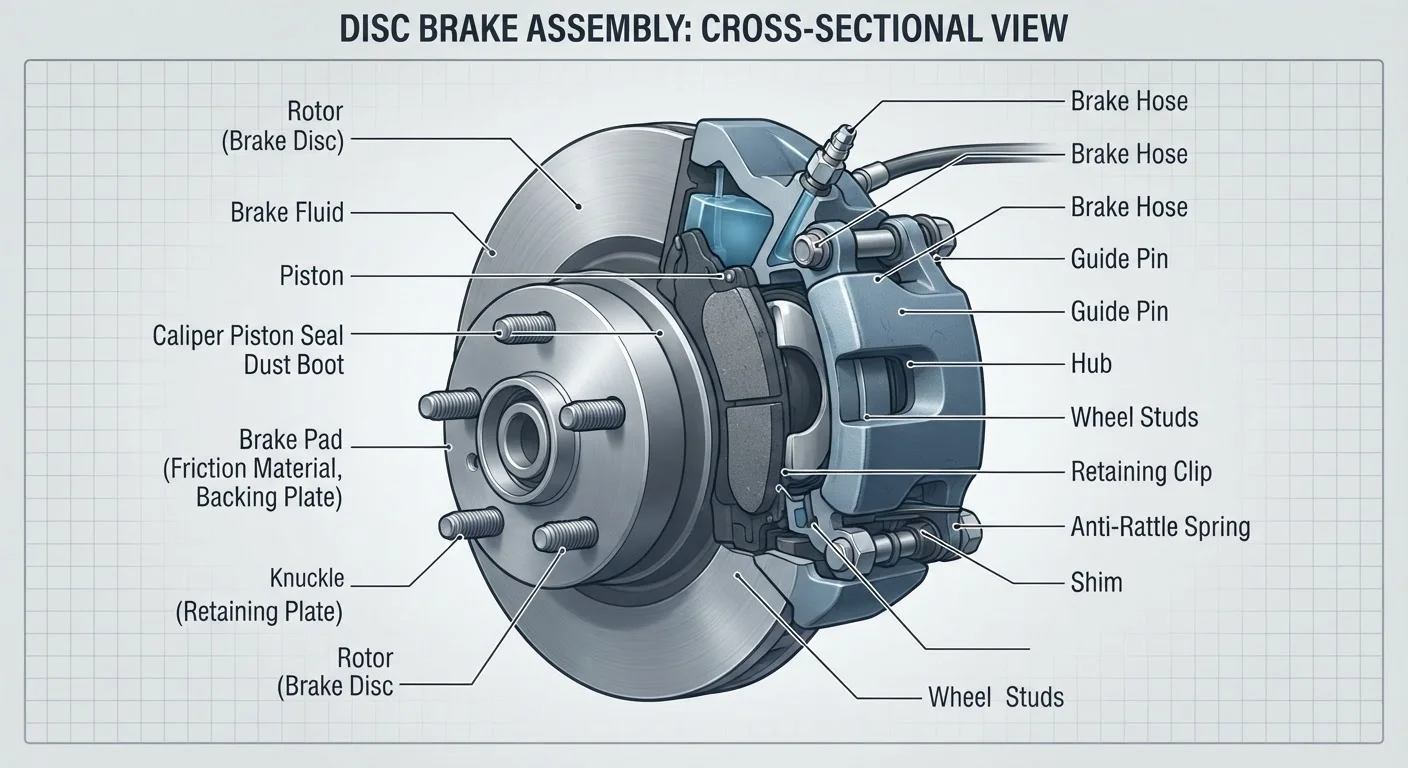
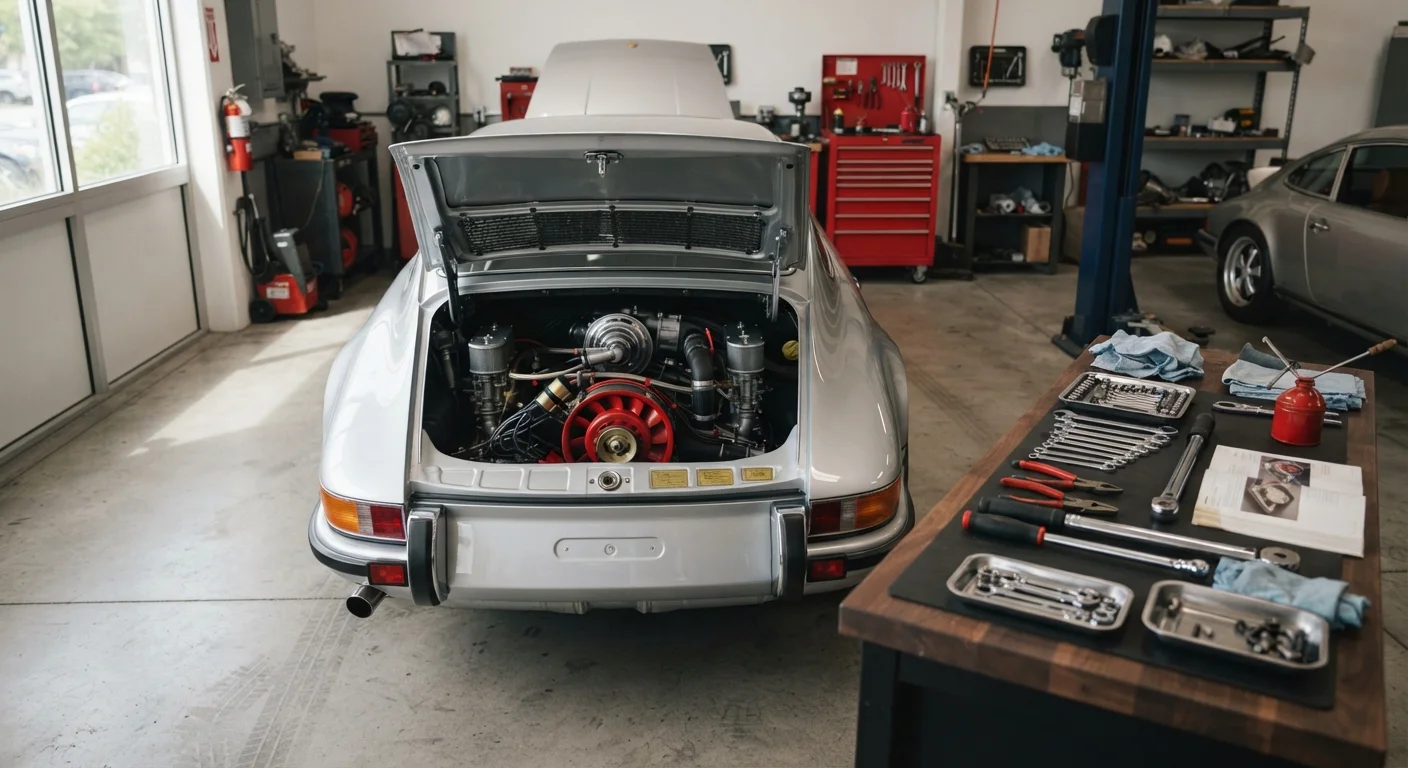
Routine maintenance - oil changes, tire rotations, brake service, fluid replacements - is necessary to keep a vehicle reliable and often required to maintain warranty coverage. AAA data has consistently found that drivers underestimate repair and maintenance costs. Unexpected repairs can add hundreds or thousands of dollars in any given year, particularly as vehicles age.
Fees, Financing, and Other Costs That Add Up
Several other expenses round out the true cost of ownership:
- Registration and taxes: Most states charge annual registration fees. Some base these on vehicle value, meaning newer or more expensive cars cost more to register.
- Loan interest: Financing a vehicle means paying interest over the loan term. On a five-year loan, total interest paid can add several thousand dollars to the vehicle's effective cost.
- Parking and tolls: In urban areas especially, parking fees and toll charges can be substantial ongoing costs.
- Tires: A full set of replacement tires typically costs several hundred dollars and is needed every three to five years depending on driving habits.
How these costs shift depending on your age and financial situation is worth exploring. The article on vehicle ownership costs across life stages provides useful context for how the burden evolves over time.
It's also worth recognizing that some assumptions about what saves money don't hold up under scrutiny. The article on car ownership myths that cost drivers real money examines where common beliefs about fuel, maintenance, and insurance go wrong.
Calculate Before You Commit
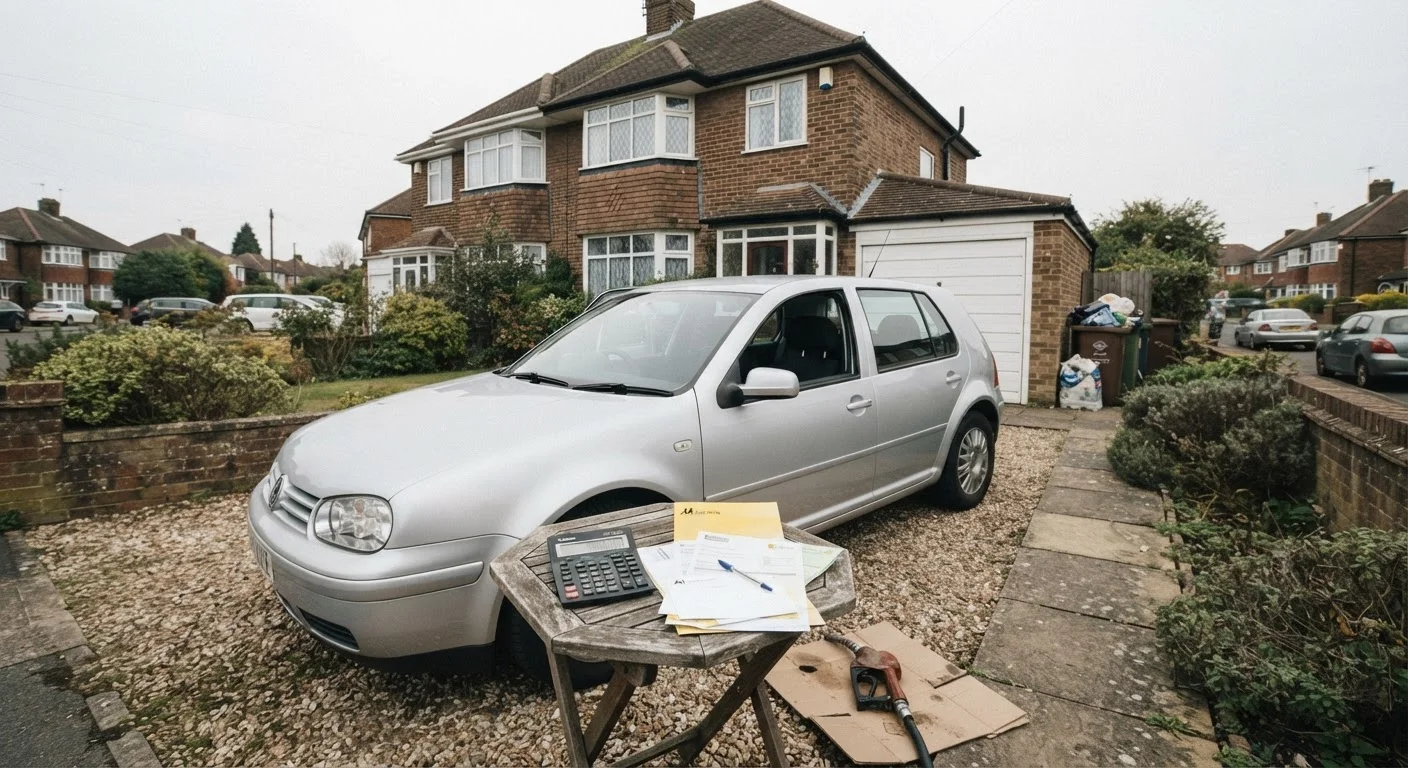
Before purchasing a vehicle, estimate total five-year ownership costs - not just the monthly payment. Factor in insurance quotes for that specific model, expected fuel costs based on your annual mileage, and historical reliability data for that make and year. This exercise often shifts which vehicle appears most affordable.