
What Fiber Actually Does in the Body
Most people associate fiber with keeping things "moving" - and while that is accurate, it captures only a fraction of the picture. Fiber interacts with the gut, the bloodstream, and the immune system in ways that make it one of the most functionally important components of the human diet.
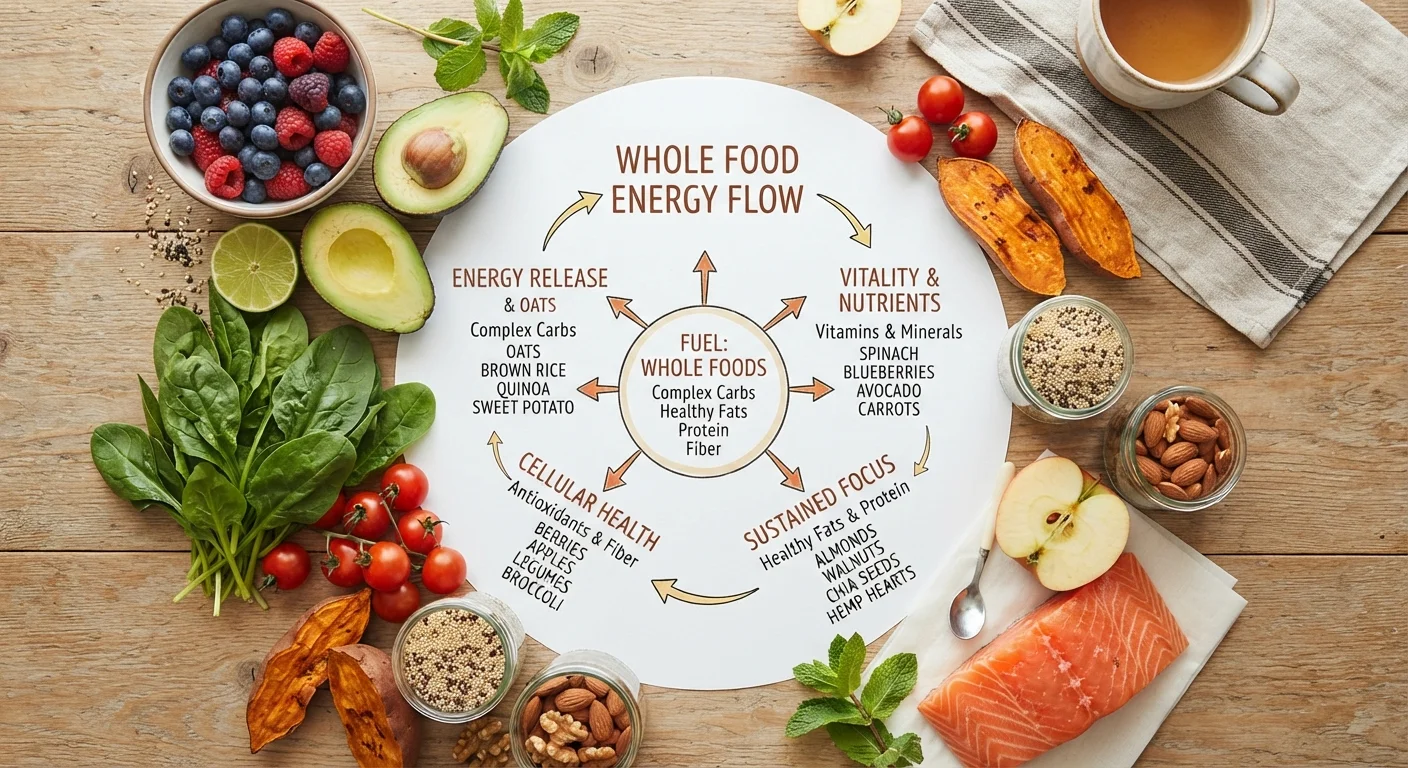
Soluble fiber - found in oats, apples, beans, and flaxseed - dissolves in water and thickens in the digestive tract. This slows the rate at which food empties from the stomach, which moderates the speed at which glucose enters the bloodstream. It also binds to bile acids in the intestine; the liver then draws on circulating cholesterol to produce more bile, effectively reducing LDL (low-density lipoprotein) cholesterol levels over time.
Insoluble fiber - abundant in wheat bran, vegetables, and whole grains - adds physical bulk to stool and accelerates transit through the colon. This reduces the time that potentially harmful compounds spend in contact with the intestinal lining, which research associates with lower colorectal cancer risk.
Fiber is also a primary fuel source for the trillions of bacteria that make up the gut microbiome. When these bacteria ferment fiber, they produce short-chain fatty acids (SCFAs) - compounds like butyrate that nourish the cells lining the colon, regulate inflammation, and may even influence mood through the gut-brain axis. Understanding fiber in this context means recognizing it as a nutrient that feeds not just you, but the microbial community your health depends on. To see how fiber fits into the broader nutritional picture, see our guide to macronutrients.
~5%
Americans meeting daily fiber recommendations
Research published in the American Journal of Lifestyle Medicine estimates that fewer than 5% of Americans consume the recommended amount of dietary fiber each day.
10-15g
Average daily fiber intake in the U.S.
Average American fiber consumption falls well below the Dietary Guidelines' recommendations of 25-38 grams per day for adults.
~9%
Reduction in heart disease risk per 7g fiber increase
A meta-analysis in the British Medical Journal found that each additional 7 grams of daily dietary fiber was associated with approximately a 9% lower risk of coronary heart disease.
Fiber's Broader Health Connections
The evidence connecting fiber to cardiovascular health is among the most consistent in nutrition science. Studies published in major medical journals have found that higher dietary fiber intake is associated with reduced risk of heart disease - largely through its effects on LDL cholesterol, blood pressure, and systemic inflammation. The benefit appears to be greatest with fiber from whole food sources rather than isolated supplements.
Fiber's influence on body weight regulation is also well-documented. High-fiber foods tend to be more filling per calorie, partly because they slow gastric emptying and partly because they promote hormonal signals associated with satiety. This does not mean fiber causes weight loss directly, but it supports eating patterns that are easier to sustain.
For blood sugar management, fiber's role is significant. Diets high in soluble fiber consistently show more stable postprandial (after-meal) glucose responses. This has meaningful implications not only for people managing type 2 diabetes but for anyone interested in sustained energy levels throughout the day.
“Dietary fiber is one of the most underappreciated nutrients in the American diet. Its effects extend well beyond the colon - influencing metabolic health, immune function, and even the brain.”
— Dr. David Katz, Physician and founding director of the Yale-Griffin Prevention Research Center
Eating patterns that emphasize whole plant foods - and therefore tend to be higher in fiber - are among those most consistently supported by long-term health research. Our article on eating patterns that support long-term health explores what the evidence suggests about these broader dietary approaches.
Practical Ways to Eat More Fiber Every Day
Closing the fiber gap does not require dramatic dietary overhauls. Small, consistent shifts in everyday food choices can meaningfully increase fiber intake while keeping meals enjoyable.
- Swap refined grains for whole grains. Choosing whole grain bread, brown rice, or oats instead of their refined counterparts adds fiber without changing the structure of a meal.
- Add legumes regularly. Lentils, chickpeas, black beans, and kidney beans are among the most fiber-dense foods available and integrate easily into soups, salads, and grain bowls.
- Keep fruit and vegetable skins on. Much of the fiber in apples, pears, potatoes, and cucumbers is concentrated in or near the skin.
- Include vegetables at every meal. Broccoli, Brussels sprouts, carrots, and leafy greens each contribute meaningful fiber alongside vitamins and minerals.
- Snack on nuts and seeds. Almonds, chia seeds, and sunflower seeds add fiber between meals without requiring preparation.
One important pairing: fiber works most effectively when accompanied by adequate fluid intake. Water helps soluble fiber form its beneficial gel and helps insoluble fiber move through the digestive tract smoothly. For a closer look at how hydration supports digestion and nutrient absorption, see our article on hydration and nutrition.
Increase Fiber Gradually to Avoid Discomfort
If your current diet is low in fiber, adding large amounts quickly can cause bloating, gas, or cramping as your gut bacteria adjust. Aim to increase intake by about 5 grams per week and drink an additional glass of water with each fiber-rich meal. Most people adapt comfortably within a few weeks.
This article is for general informational and educational purposes only and is not a substitute for professional medical or nutritional advice. Consult a qualified healthcare provider before making significant dietary changes, particularly if you have a chronic health condition.