A practical, quarter-by-quarter maintenance checklist to help homeowners stay ahead of repairs and protect their property year-round.
Key Takeaways
Spreading maintenance tasks across four quarters prevents costly emergency repairs.
Exterior systems - roof, gutters, and foundation - need attention every spring and fall.
HVAC filters, smoke detectors, and water heaters are year-round safety priorities.
Small seasonal tasks done consistently can extend the life of major home systems.
Some maintenance work requires licensed professionals - know when to call one.
Why a Quarterly Maintenance Schedule Works
Most homeowners react to problems rather than prevent them. A burst pipe, a failed furnace in January, or a roof leak after the first heavy rain - these aren't random misfortunes. They're often the predictable result of skipped maintenance. A quarterly schedule turns that reactive pattern into a proactive one.
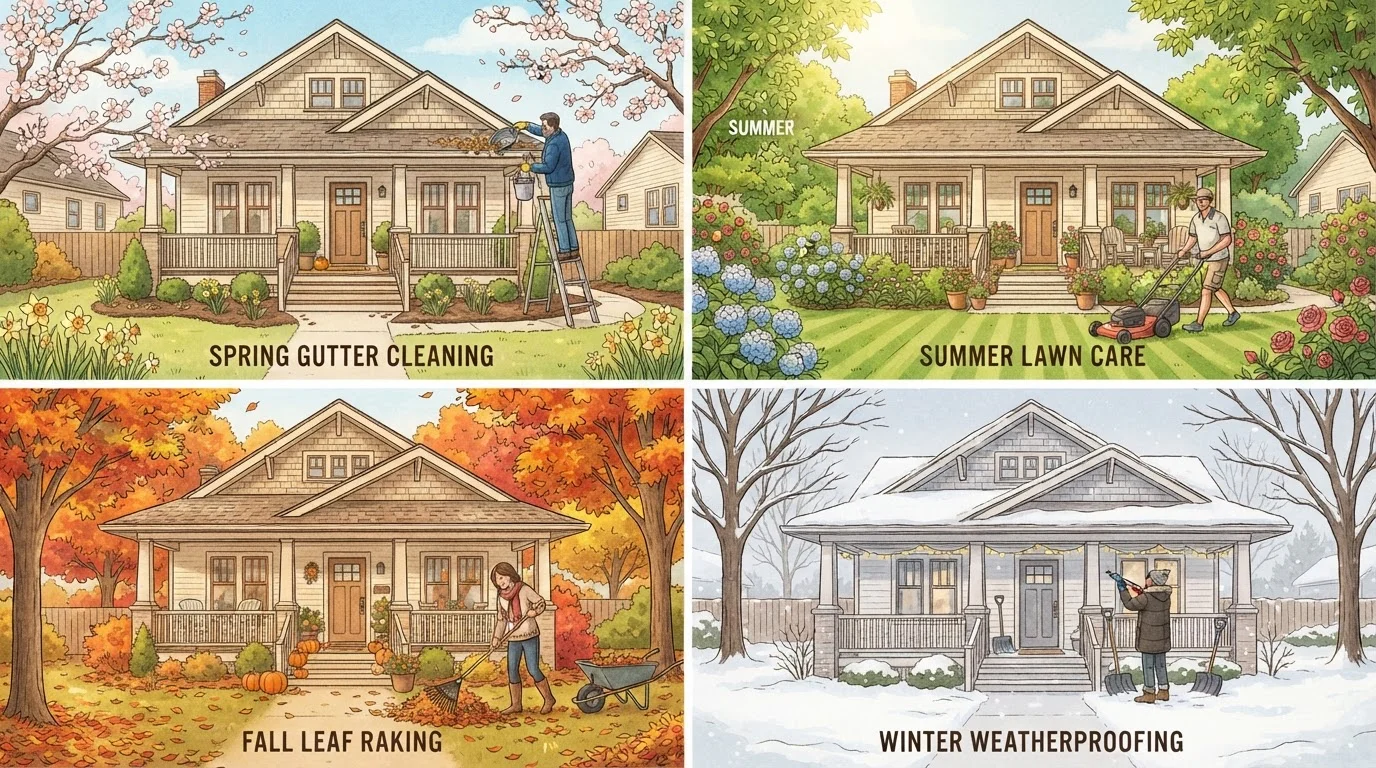
By grouping tasks around the seasons, you align your efforts with how your home actually experiences stress. Winter demands more from your heating system. Summer pushes roofing materials and attic ventilation. Fall is your window to seal up before cold arrives. Spring is when you assess the damage the previous winter left behind.
This checklist pairs well with your broader household planning. Just as the Annual Financial Planning Checklist for American Households helps you review insurance and expenses each year, this guide helps you protect the physical asset those finances support. And if you're also keeping up with your vehicle, see our seasonal car care guide for parallel seasonal maintenance logic.
Q1 - Winter (January-March)
Inspect your heating system - check filters, replace if dirty, and listen for unusual sounds that may signal a professional service is needed.Must
Test all smoke detectors and carbon monoxide alarms, replacing batteries if they haven't been changed in the past six months.Must
Check pipes in unheated spaces (crawl spaces, garages, exterior walls) for signs of freezing or frost damage.Must
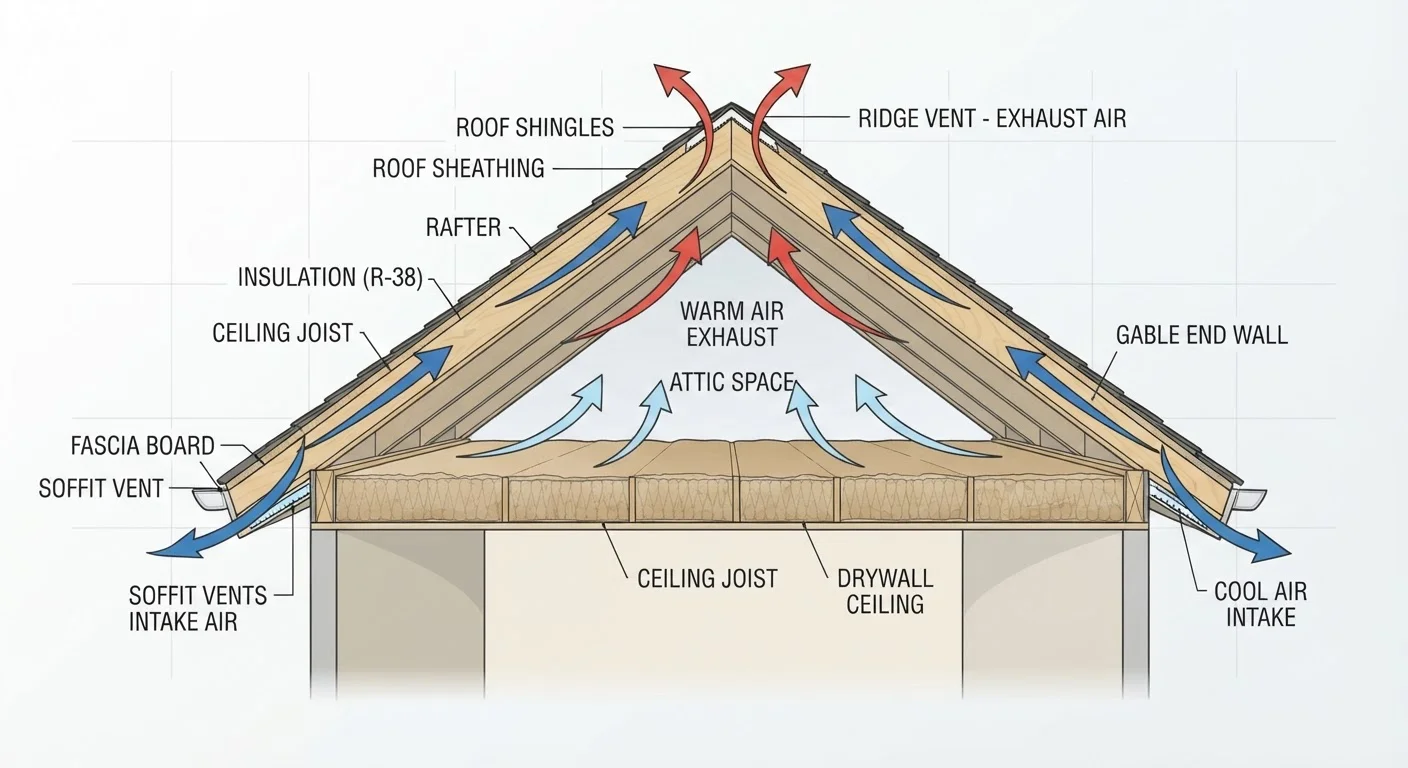
Inspect attic insulation and ventilation to prevent ice dams and excess heat loss through the roof.Should
Review your homeowner's insurance policy to confirm coverage levels reflect current home values and any recent improvements.Should
Q2 - Spring (April-June)
Inspect the roof for missing, cracked, or lifted shingles after winter weather - hire a licensed roofer for repairs above ground level.Must
Clean gutters and downspouts of winter debris and confirm they direct water at least three feet away from your foundation.Must
Examine the exterior foundation for new cracks or settlement - note any changes and consult a structural professional for anything beyond hairline cracking.Must
Service your air conditioning system before warm weather arrives - replace filters and consider a professional tune-up for the condenser.Should
Check window and door caulking and weatherstripping for gaps or deterioration, re-sealing as needed.Should
Flush your water heater to remove sediment buildup, which can reduce efficiency over time.Nice to have
Q3 - Summer (July-September)
Inspect and clean dryer vents to remove lint buildup, which is a leading cause of household fires.Must
Check outdoor faucets, hoses, and irrigation systems for leaks or worn washers.Should
Test your sump pump by pouring water into the pit to confirm it activates and drains properly.Should
Trim trees and shrubs back from the house to reduce fire risk and prevent moisture retention against siding.Should
Inspect your deck or patio for loose boards, protruding fasteners, and signs of rot or structural wear.Nice to have
Q4 - Fall (October-December)
Clean gutters again after leaves have fully fallen and confirm downspouts are clear before freeze cycles begin.Must
Drain and shut off outdoor faucets and irrigation systems to prevent frozen pipe damage.Must
Have your heating system professionally serviced before the first cold snap - replace filters and check for carbon monoxide leaks.Must
Seal gaps around windows, doors, and utility penetrations with caulk or foam to reduce drafts and heat loss.Should
Stock an emergency kit with flashlights, batteries, a first-aid kit, and at least 72 hours of essentials in case of winter power outages.Should
Check chimney and fireplace flues for obstructions and have them inspected by a certified chimney sweep before first use of the season.Nice to have
Test and replace batteries in all smoke and carbon monoxide detectors to carry you safely through the high-risk heating season.Must
Tools and Supplies to Keep on Hand
Having the right basic supplies available means you can handle most checklist items without a last-minute hardware run. Stock your home with the essentials below before you begin your quarterly walk-through.
Required
Caulk gun and exterior caulk
Sealing gaps around windows, doors, and utility penetrations to prevent drafts and moisture intrusion.
Required
HVAC filters (correct size for your system)
Replacing dirty filters to maintain air quality and heating/cooling efficiency throughout the year.
Required
Voltage tester and spare batteries
Testing smoke and CO detectors and powering replacement batteries for all household alarms.
Required
Garden hose and bucket
Flushing the water heater and testing the sump pump as part of spring and summer maintenance.
Required
Gutter scoop or trowel
Safely removing debris from gutters during spring and fall cleaning sessions.
Optional
Binoculars
Safely inspecting the roof from the ground to spot damaged shingles without climbing.
Required
Weatherstripping tape
Replacing worn door and window seals to prevent heat loss during fall and winter.
Know When to Call a Professional
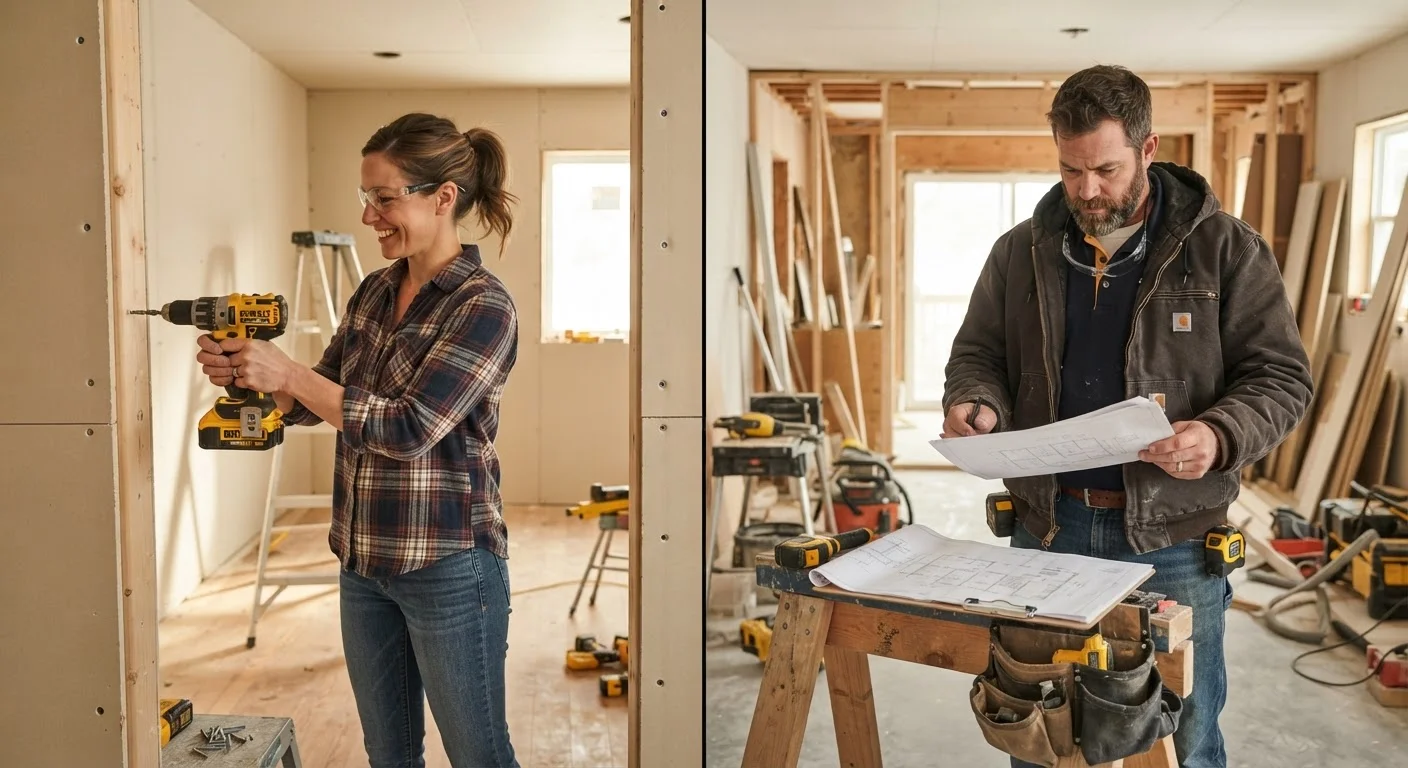
Certain home systems - electrical panels, gas appliances, load-bearing structures, and roofing above ground level - carry serious safety risks when handled by untrained individuals. Many repairs in these categories also require permits or licensed contractors under local building codes. When in doubt, get a professional assessment before attempting any work yourself. Attempting unpermitted or unsafe repairs can also affect your homeowner's insurance coverage.
For tasks involving electrical panels, gas lines, structural elements, or any roofing above a single story, always hire a licensed contractor. Many of these tasks require permits or inspections under local building codes - check your municipality's requirements before starting any significant work.
Home & Garden Editorial Team is the collective byline for our editorial team and contributor network. Articles published under this byline or an editorial pen name are researched, written, and reviewed according to our editorial standards for clarity, consistency, and independence before publication.
The content on this site is provided for informational purposes only and should not be considered a substitute for professional advice. While we strive to provide accurate and up-to-date information, we make no guarantees regarding its completeness or accuracy. Always consult a qualified professional for advice specific to your circumstances before making any decisions.