The Core Framework: Four Questions to Ask First
Before you pull out a tool or call a contractor, work through four essential questions. Your answers will point you toward the right approach more reliably than any general rule.
- What's the worst realistic outcome if something goes wrong? A badly painted wall is an inconvenience. A faulty electrical connection is a fire hazard. Higher consequence = stronger case for a licensed professional.
- Does this work require a permit or licensed trade? In most U.S. jurisdictions, electrical panel work, gas line modifications, structural changes, and certain plumbing connections legally require permits and licensed contractors. See our guide to permits, inspections, and codes before starting anything regulated.
- Do I have the skills, tools, and time this actually takes? Be honest. Many projects look simple on video but involve judgment calls that come from experience. Factor in your available time - an underestimated weekend project can stretch into weeks.
- What is the true total cost of each path? DIY isn't free. Add up materials, tool rental or purchase, and a realistic dollar value of your time. Then compare that to contractor quotes.
If you're new to home improvement, our primer for new homeowners can help you build foundational knowledge before taking on any project.
When DIY Makes Sense
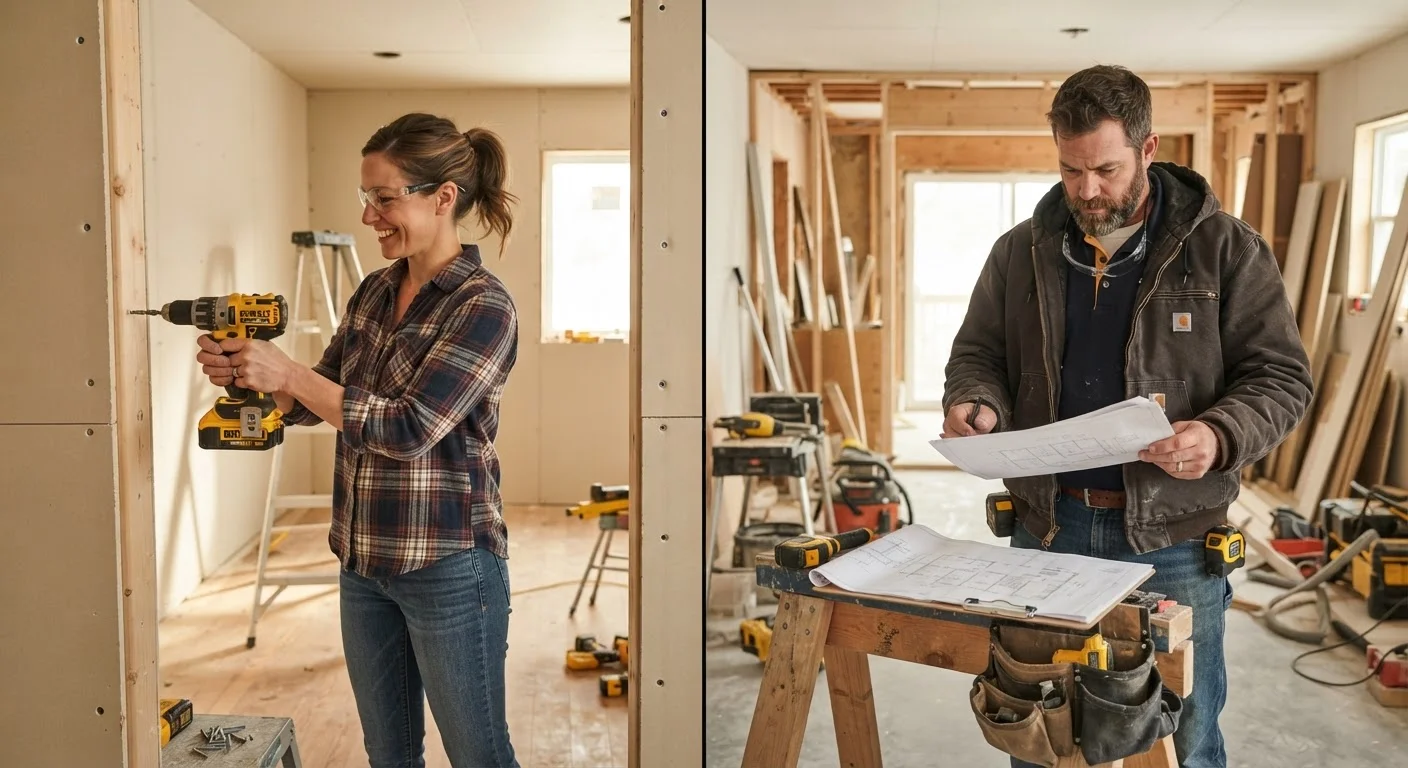
DIY is a strong choice when a project is forgiving, reversible, and within your demonstrated ability. These qualities mean that if something doesn't go perfectly, the consequences are manageable and correctable.
Strong DIY candidates include:
- Interior painting - Low skill floor, easy to redo, no permits required.
- Tile and flooring installation - Learnable with preparation; mistakes are fixable without safety risk.
- Basic landscaping and garden work - Planting, mulching, edging, and minor grading are well within most homeowners' reach.
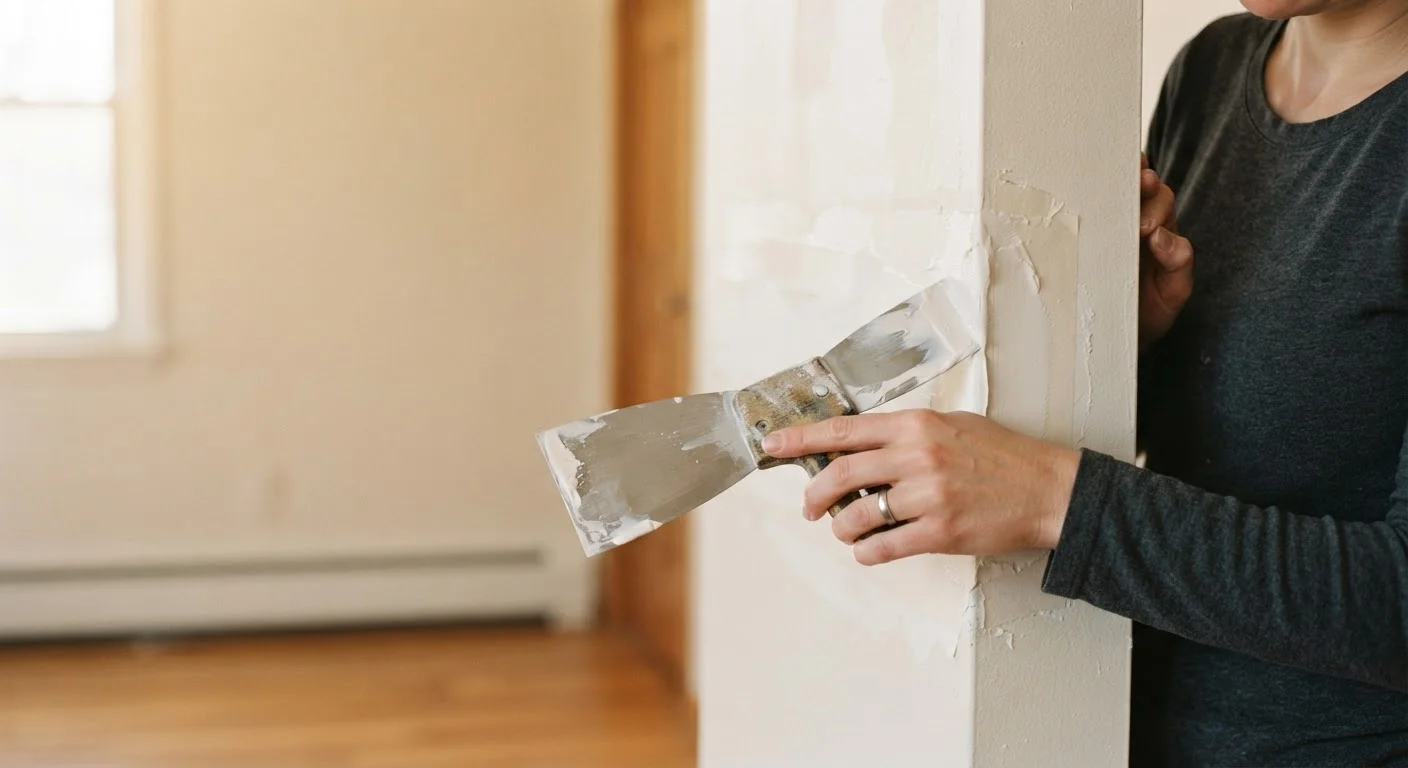
- Caulking, weatherstripping, and minor patching - Small repairs with big efficiency payoffs and low stakes.
- Cabinet hardware, light fixture swaps, and faucet replacement - These are manageable if you shut off water or power first and follow instructions carefully. (Note: if you're unsure about electrical, call an electrician.)
Build Skills Progressively
The DIY learning curve is real, but it compounds positively. Each successfully completed project builds the skills and confidence to take on the next one. Start with lower-stakes tasks to develop judgment before advancing to more complex work.
The DIY learning curve is real, but it compounds positively. Each successfully completed project builds the skills and confidence to take on the next one. Start with lower-stakes tasks to develop judgment before advancing to more complex work.
When to Hire a Contractor
Certain categories of work carry risks - to your safety, your home's structural integrity, or your legal standing - that make professional help the responsible choice regardless of budget.
Always hire a licensed professional for:
- Electrical panel upgrades and new circuit installation - Improper wiring is a leading cause of residential fires. Most jurisdictions require a licensed electrician and permit inspection.
- Gas line work - This includes adding or moving gas appliances. Leaks are life-threatening; this is non-negotiable territory for licensed tradespeople.
- Load-bearing wall removal or structural modifications - Without proper engineering review, removing the wrong wall can compromise your home's entire frame.
- Roof replacement - Beyond the physical danger of working at height, improper installation can void manufacturer warranties and lead to water damage.
- Major plumbing - connections to mains or sewer - Smaller repairs (like replacing a toilet) may be DIY-friendly; anything connecting to the main supply or sewer line typically requires a licensed plumber.
| DIY | Hiring a Contractor | |
|---|---|---|
| Upfront cost | Lower (materials only) | Higher (labor + materials) |
| True total cost | Moderate (add tools + time) | Predictable with written quotes |
| Safety risk management | Relies on your judgment | Licensed trades carry liability |
| Permit handling | Owner's responsibility | Often included by contractor |
| Quality assurance | Depends on your skill level | Typically warranted workmanship |
| Best project types | Cosmetic, low-consequence tasks | Regulated, structural, hazardous work |
| Time investment | Significant personal time required | Minimal owner time during work |
For unfamiliar trade terminology you encounter when talking to contractors, our home improvement glossary covers the 60 most common terms homeowners encounter.
The Hidden Costs on Both Sides
A common mistake is comparing the sticker price of DIY (materials) against the full price of a contractor (labor + materials). For a fair comparison, account for both sides completely.
True DIY costs often include:
- Tool purchase or rental (some specialized tools cost nearly as much to rent as hiring out the work)
- Your time, valued honestly - a 20-hour project at an opportunity cost of $30/hour adds $600 to your real expense
- Mistakes and do-overs, which can consume materials and time equal to the original job
- Potential costs of unpermitted work: failed inspections, required tear-outs, or reduced resale value
Contractor costs worth verifying:
- Get at least two to three written quotes for any significant project
- Confirm licensing, insurance, and whether permit pulling is included
- Ask about warranty on both labor and materials
The decision shares some logic with other build-vs.-buy trade-offs. Much like weighing renting versus buying a home, the right answer depends on your full financial picture and long-term goals - not just the upfront number.
This article provides general educational guidance for homeowners. Always verify local permit requirements and consult licensed professionals for work involving electrical, gas, structural, or other regulated systems in your area.