What Number Porting Is and Why It Matters
Number porting is the process of transferring your existing mobile phone number from one carrier to another. Under rules established by the Federal Communications Commission (FCC), wireless carriers are legally required to release your number upon a valid port request - you own your phone number, not the carrier.
This means you never have to accept a new number just because you are changing providers. Whether you are moving from a national postpaid carrier to a smaller prepaid option or switching between any two wireless providers, the number goes with you. Understanding the process before you start prevents the most common mistakes - chiefly, canceling your old account too soon.
Do Not Cancel Your Current Service First
Canceling your existing plan before the port is complete will release your phone number, making it unrecoverable. Keep your current account active and in good standing throughout the entire transfer process. Your old service will automatically terminate once the port is finalized.
Once porting is complete, you can also think about how you manage data on your new plan. Our guide on managing mobile data wisely offers practical habits to help you stay within your monthly allowance.
What You Need Before You Begin
Having the right information on hand before you approach a new carrier makes the porting process significantly smoother. Missing or incorrect account details are the leading cause of delayed or rejected port requests.
What you will need
Locate your account number on a recent paper bill or in your carrier's online account portal - it is separate from your phone number. Your PIN is the four-digit code you set when you opened the account; if you have forgotten it, most carriers allow you to reset it through their website or by calling customer service.
Account number from current carrier
Required by the new carrier to locate and authorize the transfer of your number.
Account PIN or transfer code
Authenticates your identity and confirms you have authority to port the number.
Billing address on file
Used to verify your identity during the porting request.
Unlocked phone or compatible device
Ensures your handset can connect to the new carrier's network after porting.
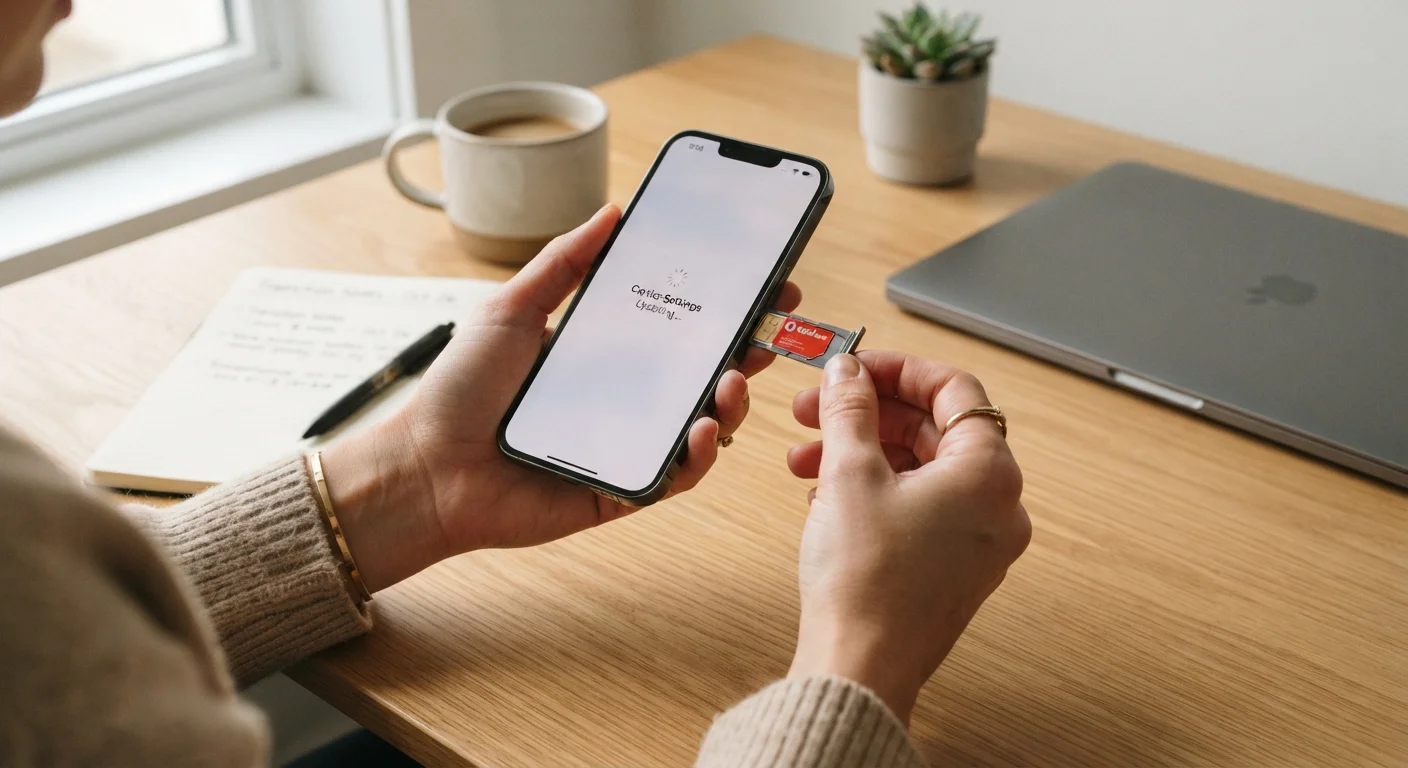
New SIM card (or eSIM access)
Provided by the new carrier to activate service on your device.
Verify Your Phone Is Unlocked First
A carrier-locked phone will not function properly on a different network even after the number ports over. Contact your current carrier to request an unlock - most carriers will do this at no charge once your device is paid off and account is in good standing. You can also dial *#06# to find your IMEI and use a third-party checker to confirm unlock status.
After the Switch: Next Steps
Once your number has fully ported and your new service is active, there are a few housekeeping steps worth completing. Update any two-factor authentication (2FA) apps or services that send verification codes to your number, and notify contacts or services that relied on your old account's voicemail greeting, which will have reset. If you received a new physical SIM, update your device's APN (Access Point Name) settings if mobile data does not connect automatically - your new carrier's website will list the correct values.
If you also picked up a new device as part of the switch, our article on what to do before downloading anything on a new smartphone walks through the setup steps that protect your data from day one.
Check for Early Termination Fees
If you are still under contract with your current carrier, switching before the term ends may trigger an early termination fee (ETF). Review your service agreement or call your carrier to confirm any outstanding balance or device installment payments before initiating the port. Porting your number does not waive fees you legally owe.