Why Setup Order Matters
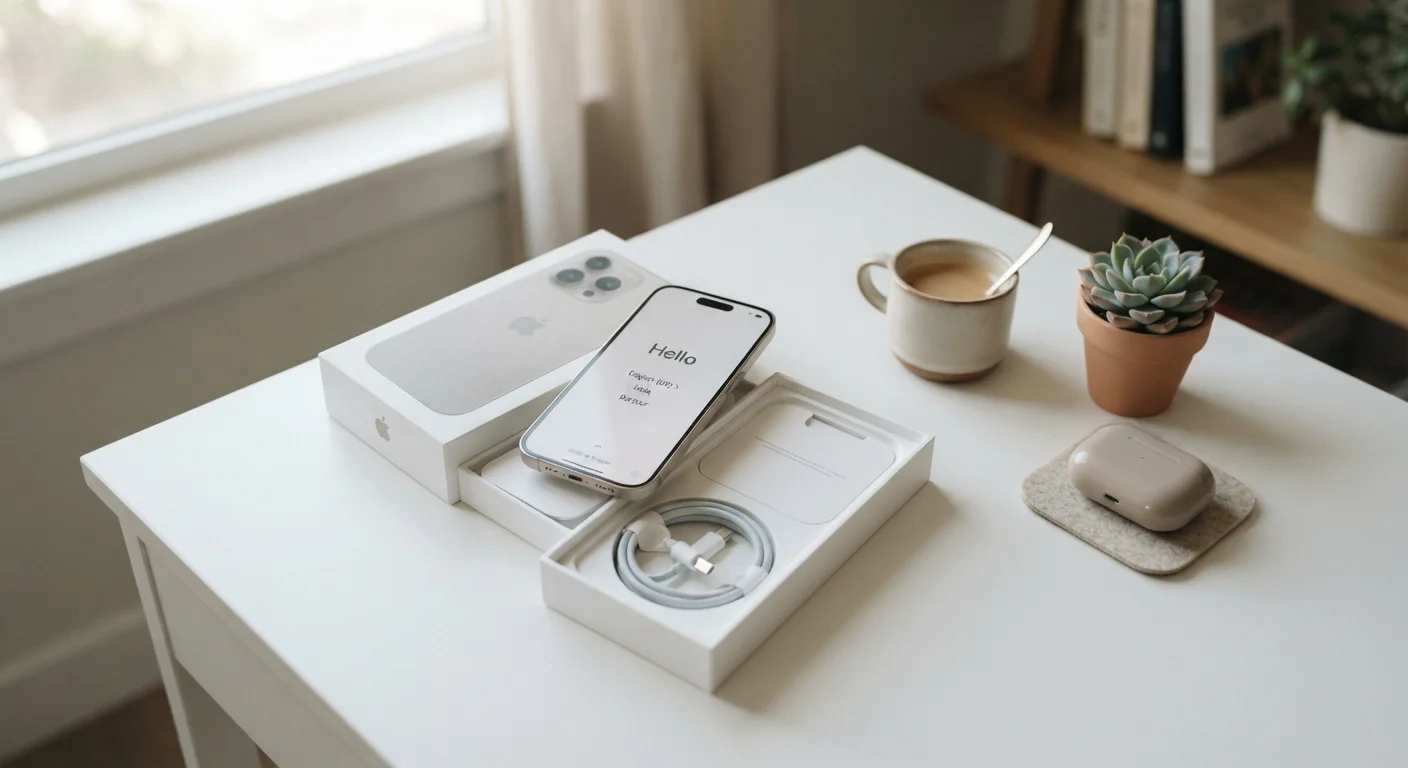
Unboxing a new smartphone is exciting, and the temptation to jump straight to downloading your favorite apps is real. But the first 30 to 60 minutes you spend on foundational setup steps will shape how secure, stable, and efficient your device remains for years. Think of it like moving into a new home - you install locks before you invite guests.
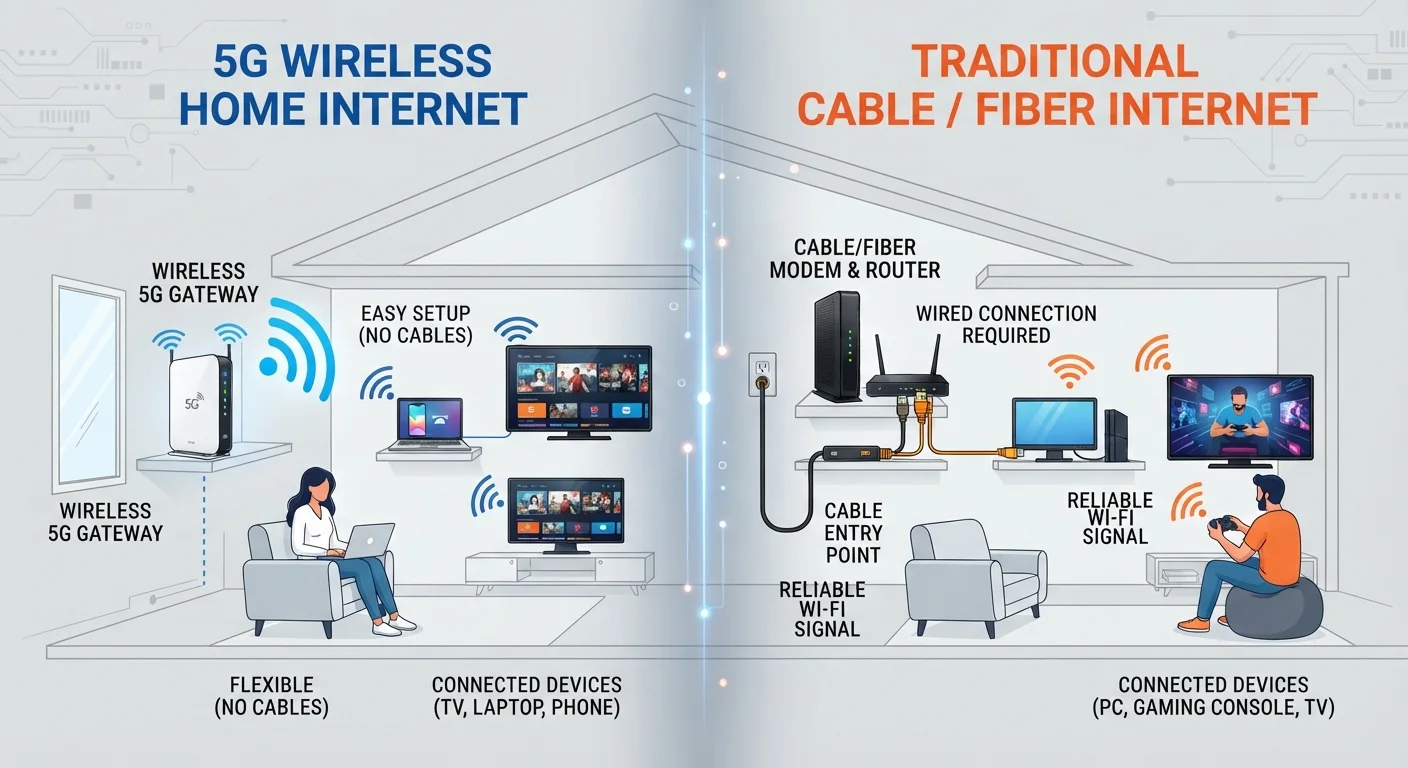
The steps in this checklist are sequenced deliberately. Security and system-level settings come first because they create the environment everything else runs inside. Once those are in place, adding apps becomes a much lower-risk activity. If you're also setting up home internet for the first time, see our guide to setting up home connectivity before you begin, since a stable, secured Wi-Fi connection is the foundation for most of these steps.
Install Updates Before Anything Else
Manufacturers release phones with software that may already be weeks or months old by the time it reaches you. Known security vulnerabilities discovered during that window are fixed in updates - but only if you install them. Running updates before downloading apps means every app you install lands on a fully patched system, not one with known gaps that malicious software could exploit.
What You'll Need
Before working through the checklist, gather the following items. Having them on hand prevents interruptions mid-setup.
Wi-Fi network credentials
Required to connect to your home or trusted network before running updates and setup steps.
Your Google Account or Apple ID login
Needed to activate the device, link backup services, and access the app store.
Carrier SIM card (or eSIM confirmation)
Activates your mobile voice and data service on the new device.
USB or wireless charger
Keeps the phone sufficiently charged throughout the setup process to prevent interruptions.
Phone transfer cable or backup file
Allows you to migrate contacts, photos, and settings from an old device if applicable.
The Setup Checklist
Work through these groups in order. Each one builds on the last, so skipping ahead can leave gaps in your configuration. Mark each item complete as you go - the checklist covers 18 discrete actions across four logical phases.
Connectivity & Power
Security Essentials
System Updates & Backup
Privacy & Default Settings
Once you've worked through all four groups, your phone is in a genuinely good baseline state. Now is the appropriate moment to start downloading apps - and when you do, understanding what those apps request from your device matters. Our article on app permissions explains what each type of access actually means and when it's reasonable to decline.
Keeping the Momentum Going
Setup isn't a one-time event. The habits you establish in the first week tend to stick. Staying on top of software updates, periodically reviewing which apps have which permissions, and keeping an eye on storage use are the three maintenance habits that matter most over the long term. Our guide to keeping your devices running well over time covers those routines in practical detail.
If you want to go deeper on privacy specifically - beyond the device settings covered here - Digital Privacy from the Ground Up is a beginner-friendly starting point. And once you're up and running, managing your mobile data wisely can help you stay within your plan limits as you add apps and streaming services.
Avoid Public Wi-Fi During Initial Setup
Setting up a new phone on an open public network - such as at a coffee shop or airport - exposes your account credentials and backup data to potential interception. Complete the initial setup on a private, password-protected network. If home Wi-Fi isn't available, use your mobile data connection instead. Once your device is fully configured and updated, connecting to public Wi-Fi for general browsing carries a lower (though still manageable) level of risk.