What Digital Privacy Actually Means
Digital privacy is the ability to decide what personal information you share online, with whom, and on what terms. It covers everything from the photos you post on social media to the browsing habits your phone quietly transmits to app developers in the background.
A common misconception is that privacy is only a concern for people with "something to hide." In reality, privacy is about autonomy - your right to control your own information, just as you'd choose what to share with a stranger on the street. When that control is taken away without your knowledge, it can have real consequences: unwanted advertising, higher prices based on your profile, or data exposed in a breach.
Understanding your personal data footprint is the foundation of taking privacy seriously.
Why It Matters for Everyday People
You don't have to be a public figure or a corporate executive for your data to be valuable. Advertisers, data brokers, and bad actors all have financial incentives to collect information about ordinary users. The consequences of poor privacy practices can include identity theft, phishing scams, and account takeovers - all of which cost Americans time and money every year.
Beyond financial risk, there's a subtler effect: data profiles built from your online behavior can influence the prices you're shown, the news you see, and even the job listings that appear in your feed. These systems operate largely out of sight, which is why social engineering attacks - which exploit trust rather than software - are so effective against people who aren't aware of them.
Key Concepts You Should Know
A few foundational terms will help you navigate privacy conversations and settings with more confidence.
Data broker
A company that collects personal information about people from various sources and sells or licenses it to other businesses or individuals, often without the subject's direct knowledge.
Two-factor authentication (2FA)
A security method that requires you to verify your identity in two ways - typically your password plus a temporary code - before granting access to an account.
Permissions
Access rights an app requests on your device, such as the ability to use your camera, read your contacts, or track your location. You can usually review and revoke these in your device settings.
Encryption
A process that scrambles data so that only authorized parties with the correct key can read it. When a website uses HTTPS, for example, your connection to it is encrypted.
Privacy policy
A document a company publishes that describes what personal data it collects, how it uses it, and who it shares it with. Reading the key sections can reveal a lot about a service's data practices.
Phishing
A type of scam where someone impersonates a trusted person or organization - via email, text, or a fake website - to trick you into revealing passwords, financial details, or other sensitive information.
These concepts come up repeatedly whether you're adjusting app settings, reading a privacy policy, or evaluating a new device.
First Steps Worth Taking Today
You don't need to overhaul your entire digital life at once. A handful of concrete actions can substantially reduce your exposure.
- Use a password manager. Creating a unique, strong password for every account is the most reliable defense against credential-based attacks. A password manager stores and generates these for you.
- Enable two-factor authentication (2FA). 2FA - which requires a second verification step beyond your password, such as a code sent to your phone - makes it much harder for someone else to access your accounts even if they have your password.
- Review app permissions. On both Android and iOS, you can see which apps have access to your location, camera, microphone, and contacts. Revoke any that aren't necessary for the app to function.
- Keep software updated. Software updates frequently include security patches. Delaying them leaves known vulnerabilities open longer than necessary.
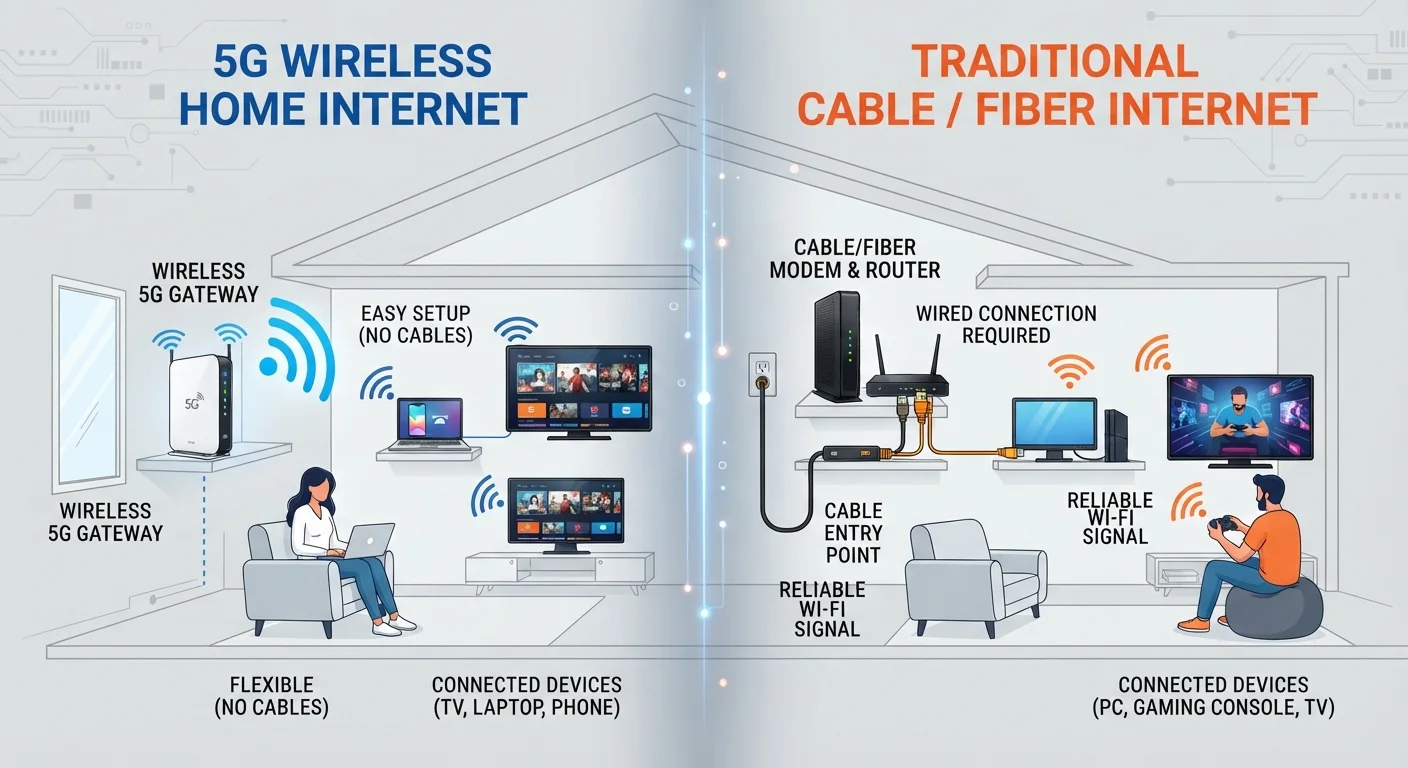
- Check your router's default settings. If you haven't changed your home Wi-Fi router's default password, do so. Our home connectivity setup guide walks through this process.
Start With What You Already Have
You don't need new tools or subscriptions to get started. Most smartphones and browsers already include built-in privacy settings that many users never review. Spending 15 minutes in your device's settings app - checking app permissions, location access, and ad tracking options - can make a real difference without any cost.
Common Misconceptions That Leave You Exposed
Several widely held beliefs give users a false sense of security. Recognizing them is part of building a realistic privacy posture.
- "Private browsing makes me anonymous." Incognito or private mode only prevents your browser from saving history locally. Your ISP, employer network, and the sites you visit can still see your activity.
- "I have nothing to hide, so I have nothing to fear." Privacy isn't about secrecy - it's about control. Even benign data, aggregated over time, can be used in ways you didn't anticipate or consent to.
- "Free services are just generous." If you're not paying for a product, your data is often part of the business model. That doesn't make all free services harmful, but it's worth understanding how they're funded.
For a deeper look at these and other flawed assumptions, see our article on online safety myths.
Don't Rely on One Layer of Protection
No single tool or habit provides complete privacy protection. Combining practices - strong passwords, 2FA, careful app permissions, and awareness of phishing tactics - is far more effective than relying on any one measure alone. Thinking you're fully protected after one step is itself a risk.
Where to Go From Here
Building digital privacy habits is an ongoing process, not a one-time fix. Once you've taken the foundational steps above, consider learning about more advanced topics at your own pace.
If you're setting up a new device, our guide on getting started with a new smartphone covers privacy-conscious setup steps before you download any apps. Families with children online should also explore digital safety for kids, which covers age-appropriate privacy and safety concepts.
Tools like VPNs are worth understanding, but only in context - our explainer on what VPNs actually protect helps you evaluate whether one fits your needs. And if you use cloud storage, knowing what the cloud does with your files is a natural next step.
Privacy is less about achieving perfection and more about making informed trade-offs. Start small, stay curious, and adjust as you learn more.
Electronic Frontier Foundation - Surveillance Self-Defense
A free, practical resource from a digital rights organization covering privacy tools and strategies for a range of threat levels. Particularly useful for readers who want to go beyond the basics.
Have I Been Pwned
A free service that lets you check whether your email address has appeared in a known data breach. A useful starting point for understanding your current exposure.
National Cybersecurity Alliance - Stay Safe Online
Plain-language resources from a nonprofit organization covering password safety, phishing awareness, and general online security habits for everyday users.