
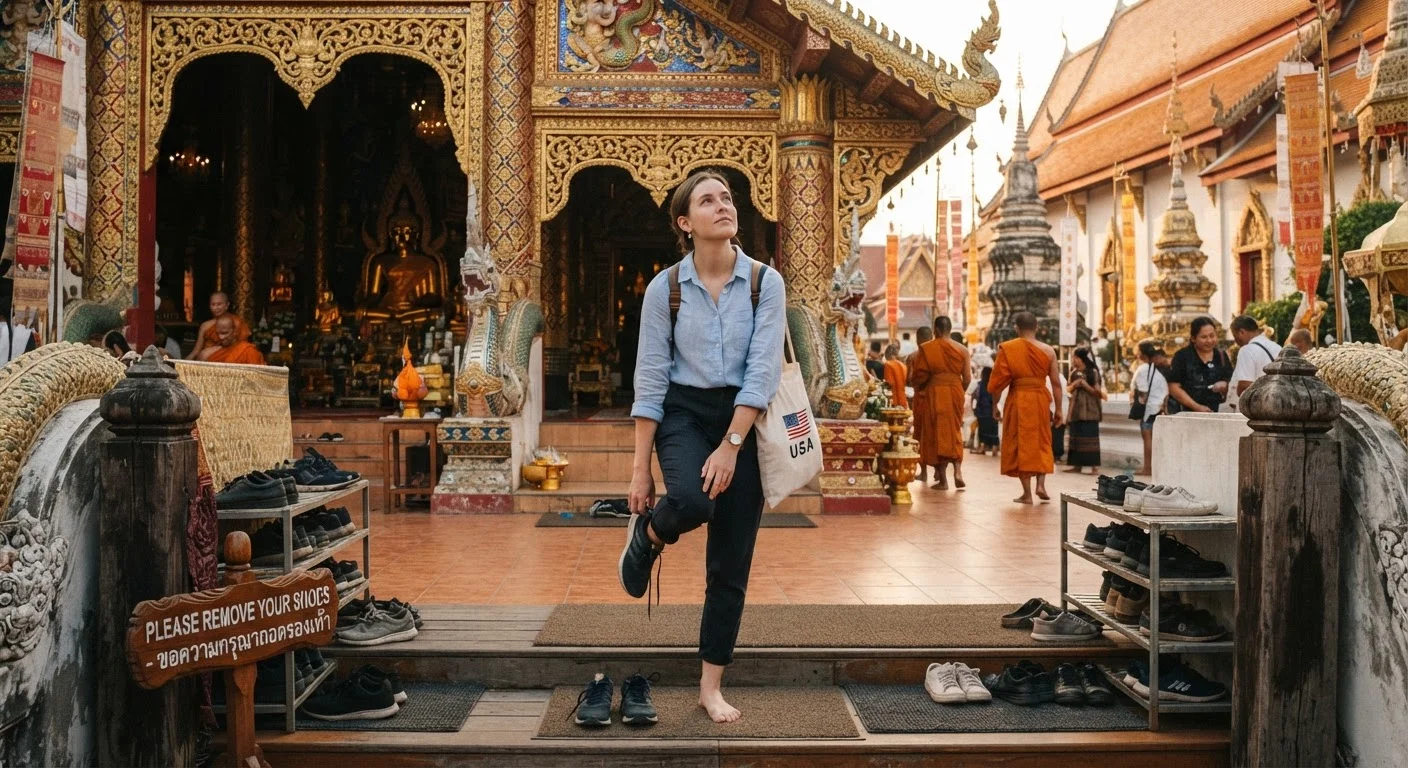
Why American Habits Don't Always Travel Well
Traveling internationally is one of the most enriching things a person can do - and one of the most humbling. The habits and social scripts that work seamlessly back home can create real friction the moment you cross a border. This isn't a character flaw; it's a simple byproduct of living in a culturally specific context where certain behaviors become invisible because they're so consistent. Abroad, those same behaviors suddenly become visible again - and not always favorably.
The good news is that cultural missteps are almost entirely avoidable with a little preparation. Most locals around the world extend genuine grace to travelers who make honest efforts - but there's a meaningful difference between a visitor who's trying and one who isn't. Understanding a few key etiquette traps before you go is one of the highest-return investments you can make in any international trip. For a broader look at first-trip preparation, see our guide for first-time international travelers.
Don't Assume Friendliness Means Familiarity
In many cultures, locals may greet strangers warmly without expecting the casual, first-name-basis friendliness common in American social settings. Launching into informal banter, slang, or personal questions too quickly can feel presumptuous or disrespectful. Let the local person set the pace of social interaction, especially with elders or people in service roles.
The Most Common Etiquette Mistakes - and How to Sidestep Them
The mistakes below aren't obscure edge cases. They're the everyday habits - the way Americans tip, dress, gesture, and photograph - that generate real friction in real places. Understanding why they happen is just as important as knowing how to avoid them.
Tipping automatically, or not tipping at all, without understanding local norms.
Why it happens: In the US, tipping 15-20% at restaurants is deeply ingrained. Travelers often carry this habit abroad without realizing it can be unnecessary, confusing, or even insulting in some countries.
Wearing shorts, tank tops, or revealing clothing at religious sites or in conservative communities.
Why it happens: Americans often dress for comfort or assume casual clothes are universally acceptable. Many religious and cultural sites have strict dress requirements that aren't obvious until you're turned away at the entrance.
Using thumbs-up, OK signs, or other common American hand gestures without knowing their local meaning.
Why it happens: These gestures feel universal because they're treated that way in popular American media, but many carry offensive meanings in other cultures. A thumbs-up is offensive in parts of the Middle East; the OK sign carries negative connotations in Brazil and Turkey.
Speaking loudly in public spaces, restaurants, or on public transit.
Why it happens: Americans are often accustomed to animated, loud conversation as a sign of enthusiasm. In many Asian and Northern European cultures, quiet restraint in shared public spaces is the norm, and raised voices read as confrontational.
Photographing people, religious ceremonies, or restricted areas without permission.
Why it happens: Smartphone cameras have made spontaneous photography second nature, and travelers often treat foreign settings like they would a tourist attraction back home. But photography of individuals or sacred spaces can be seen as deeply invasive or legally restricted.
Assuming English will be spoken and expecting locals to accommodate that.
Why it happens: English is widely spoken in many destinations, which leads some travelers to assume it's always available - and to show frustration when it isn't.
72%
Americans who didn't research local customs before traveling
According to a survey by the U.S. Travel Association, a significant majority of American travelers report doing little to no cultural research before international trips.
195
Countries with distinct tipping norms
Tipping practices differ in virtually every nation - from expected and calculated in the US to considered offensive in parts of Japan and South Korea.
For practical guidance on managing your money in the field - including how to handle foreign currency without overpaying - our travel finances guide covers the essentials. And if you're still in the planning stages, planning a trip abroad for the first time offers a solid starting point before you even book a flight.
Etiquette Violations Can Have Real Consequences
In some countries, behaviors Americans consider harmless - photographing government buildings, showing affection in public, or disposing of chewing gum carelessly - can result in fines, detention, or being asked to leave a site. Before you travel, verify local laws and customs through official government travel advisories like travel.state.gov. What feels like a social slip at home can carry legal weight abroad.
Building Cultural Awareness Into Your Travel Routine
Cultural literacy isn't about memorizing a rulebook for every country on earth. It's about developing a habit of curiosity and observation - arriving somewhere new with the assumption that things work differently here, and staying genuinely open to learning how. That posture alone will prevent most serious missteps.
Spend an hour before any international trip reading destination-specific etiquette guides from reputable travel and cultural organizations. Note the two or three behaviors that differ most sharply from American norms. Then, once you're on the ground, watch how locals interact with each other - on transit, in restaurants, at markets - and let that be your real-time guide. The most culturally fluent travelers aren't the ones who've memorized the most rules; they're the ones who stay curious, observant, and willing to follow the local lead.
If you're navigating border crossings and customs procedures for the first time, our piece on crossing international borders walks through what to expect beyond the etiquette side of travel. Preparation on all fronts - social, logistical, and legal - is what turns a stressful trip into a memorable one.