The Hidden Cost of Swiping Your Everyday Card
Most travelers pack their debit card the same way they'd pack a phone charger - as a basic, obvious necessity. It works at home, so why wouldn't it work in Rome or Bangkok? The short answer: it usually will work, but the bill that follows can be a genuine shock.
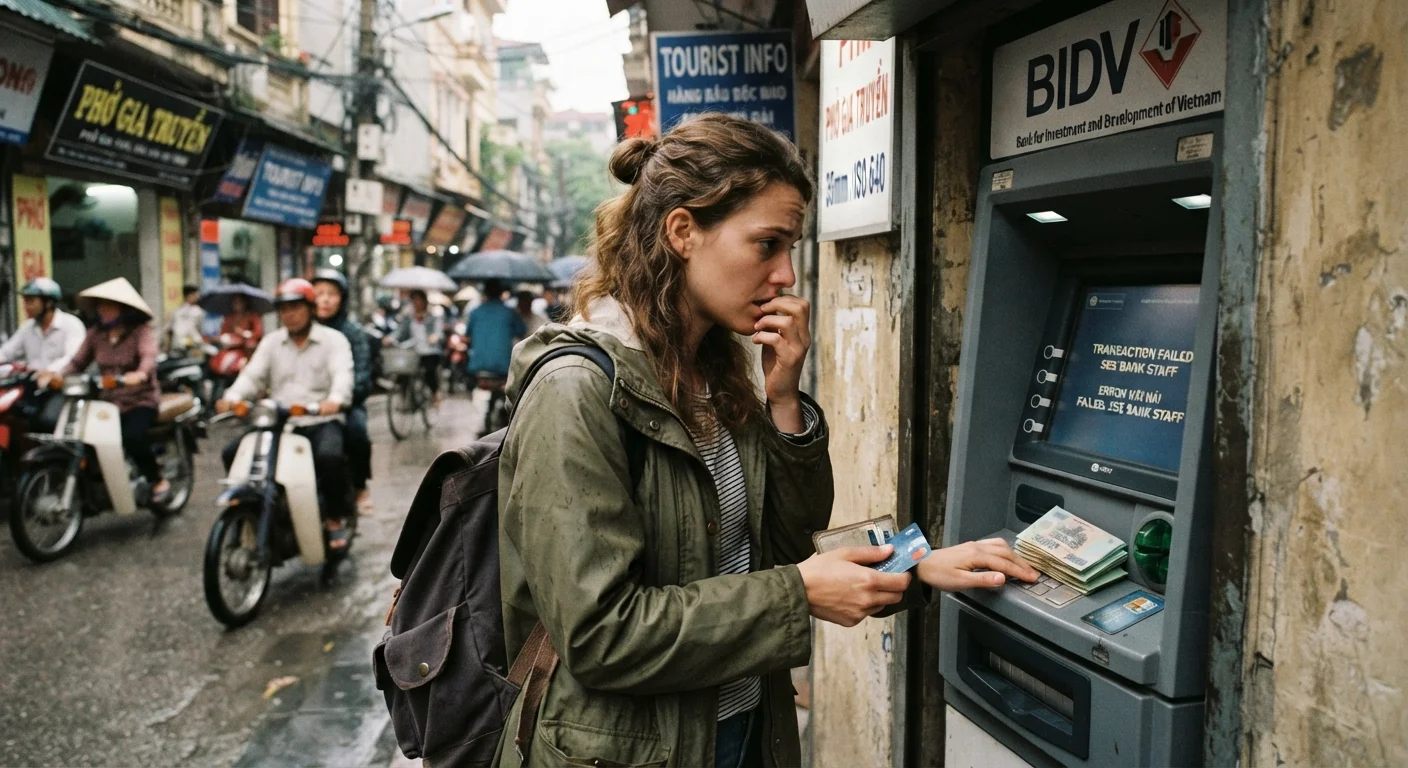
A standard debit card used overseas often carries a foreign transaction fee - typically 1% to 3% of every purchase - levied by your bank. Then there's the ATM operator's own surcharge, which can range from a few dollars to the equivalent of $10 or more at tourist-heavy locations. These fees compound quietly across a two-week trip, sometimes adding up to meaningful sums without the traveler ever noticing until they're home reviewing statements.
Beyond fees, there's a deeper structural problem: debit cards pull money directly from your checking account. Unlike a credit card, which puts a buffer between your spending and your actual funds, a debit card means that a skimming device, a fraudulent charge, or even a processing error can drain your balance immediately. Disputing a charge after the fact with a debit card is generally a slower, less protected process than it is with credit. For a fuller look at the practical differences in how credit works day-to-day, see our breakdown of common credit card misconceptions.
Using a debit card without notifying your bank of your travel plans.
Why it happens: Travelers assume their card will simply work wherever Visa or Mastercard is accepted, not realizing that banks rely on spending pattern analysis to detect fraud.
Accepting dynamic currency conversion at ATMs or payment terminals abroad.
Why it happens: Foreign ATMs and merchants often ask if you'd like to pay in your home currency, framing it as a helpful service. Many travelers accept without realizing the exchange rate applied is set by the operator, not your bank.
Relying on a single debit card as your only payment method.
Why it happens: It feels like simplicity: one card, one account, easy to track. But a freeze, a lost wallet, or a skimmed card leaves you completely without funds.
Withdrawing cash in small, frequent amounts from foreign ATMs.
Why it happens: Travelers try to limit their exposure by withdrawing only what they need each day, which feels cautious but actually multiplies the flat fees charged per transaction.
Using standalone ATM kiosks in airports, hotels, or tourist areas.
Why it happens: These machines are highly visible and convenient, which is precisely why they're positioned there - convenience comes at a price, both in higher fees and, in some regions, elevated skimming risk.
Smarter Moves Before You Leave - and While You're There
The good news is that most debit card disasters abroad are entirely preventable with a bit of pre-trip preparation. The first and most important step is contacting your bank before you travel. Many banks flag overseas transactions as potentially fraudulent and freeze your account automatically. A quick call or app notification - specifying your destination and travel dates - reduces that risk considerably.
The second step is to diversify your payment options. Carrying only one card, especially a debit card tied to your primary checking account, is the financial equivalent of traveling without a spare key. Most experienced travelers bring at least one travel-friendly credit card (with no foreign transaction fees), a small amount of local currency for the first day, and a backup card kept separately from the primary wallet.
Watch Out for Skimming Devices Abroad
Card skimming - where a hidden device on an ATM or payment terminal captures your card data - is a documented risk in many tourist-heavy destinations. If an ATM looks tampered with, has a loose card slot, or shows any unusual attachments, don't use it. Because debit cards draw funds directly from your account, a skimmed debit card can result in your checking balance being drained before you're even aware of the breach. This is one reason many experienced travelers use a credit card for point-of-sale purchases and limit ATM withdrawals to well-monitored bank branch machines.
When you do use a foreign ATM, use machines attached to established banks rather than standalone kiosks in airports or tourist zones - the latter tend to charge higher fees and may present a higher skimming risk. Always choose to be charged in the local currency rather than your home currency; the alternative, called dynamic currency conversion, sounds convenient but typically delivers an unfavorable exchange rate that benefits the merchant or ATM operator, not you.
For a comprehensive look at protecting your finances on the road - from setting up travel notifications to managing cash safely - our guide to keeping your finances intact while traveling goes deeper on every step. And if you're preparing for your very first trip overseas, what no one thinks to tell first-time international travelers covers the practical groundwork that most itinerary guides skip entirely.
Finally, think about what you'd do if your card was frozen or stolen mid-trip. Knowing your bank's international support number, having access to a secondary payment method, and understanding your options if things go sideways - covered thoroughly in what happens if something goes wrong abroad - can make the difference between a minor inconvenience and a genuine crisis.
This article is for general informational purposes only and does not constitute financial or legal advice. Fee structures, card policies, and bank practices vary by institution and may change over time. Verify current terms directly with your bank or card issuer before traveling.