The Real Differences Start Before You Even Land
Most conversations about peak versus off-season travel begin and end with price. That framing misses the point. Timing shapes nearly every layer of a trip - the pace of a city, the behavior of locals, the accessibility of landmarks, even the food on restaurant menus. Understanding those layers is what separates a good trip from a frustrating one.
Peak season at a destination is generally defined by when the most visitors arrive, which correlates loosely with school holidays, favorable weather, and cultural events. Off-season is whatever falls outside that window. But those labels aren't uniform: Paris in August is off-season for Parisians (many leave for vacation), yet overrun with tourists. The Florida Keys in July are peak season for Americans, but the combination of heat and humidity deters many international visitors. Always research what "peak" actually means at your specific destination.
Your travel style is also a factor here - a solo traveler with total schedule flexibility faces a very different calculus than a family of four locked into summer school breaks.
What Peak Season Actually Gives You
Full access to services, tours, and amenities
In peak season, ferries, guided experiences, and seasonal attractions operate on full schedules, meaning you can plan a detailed itinerary with confidence that things will actually be open.
Reliable weather conditions for most destinations
High season typically aligns with the most predictable and hospitable weather window, reducing the risk of a trip derailed by monsoons, extreme cold, or impassable roads.
Lively atmosphere and social energy
A destination at full capacity has a distinct energy - markets, events, and public spaces feel alive in ways that can be genuinely enjoyable, especially for first-time visitors.
Easier logistics for first-time visitors
Tourist infrastructure is at its most robust - information centers are staffed, transportation runs frequently, and navigating an unfamiliar place is considerably more forgiving.
The case for traveling in high season isn't just about convenience - it's about certainty. Ferries run on full schedules. Mountain huts are staffed. That rooftop restaurant everyone recommends is actually open. For first-time visitors to a destination, this reliability matters enormously. You can plan an itinerary and trust that it will hold together.
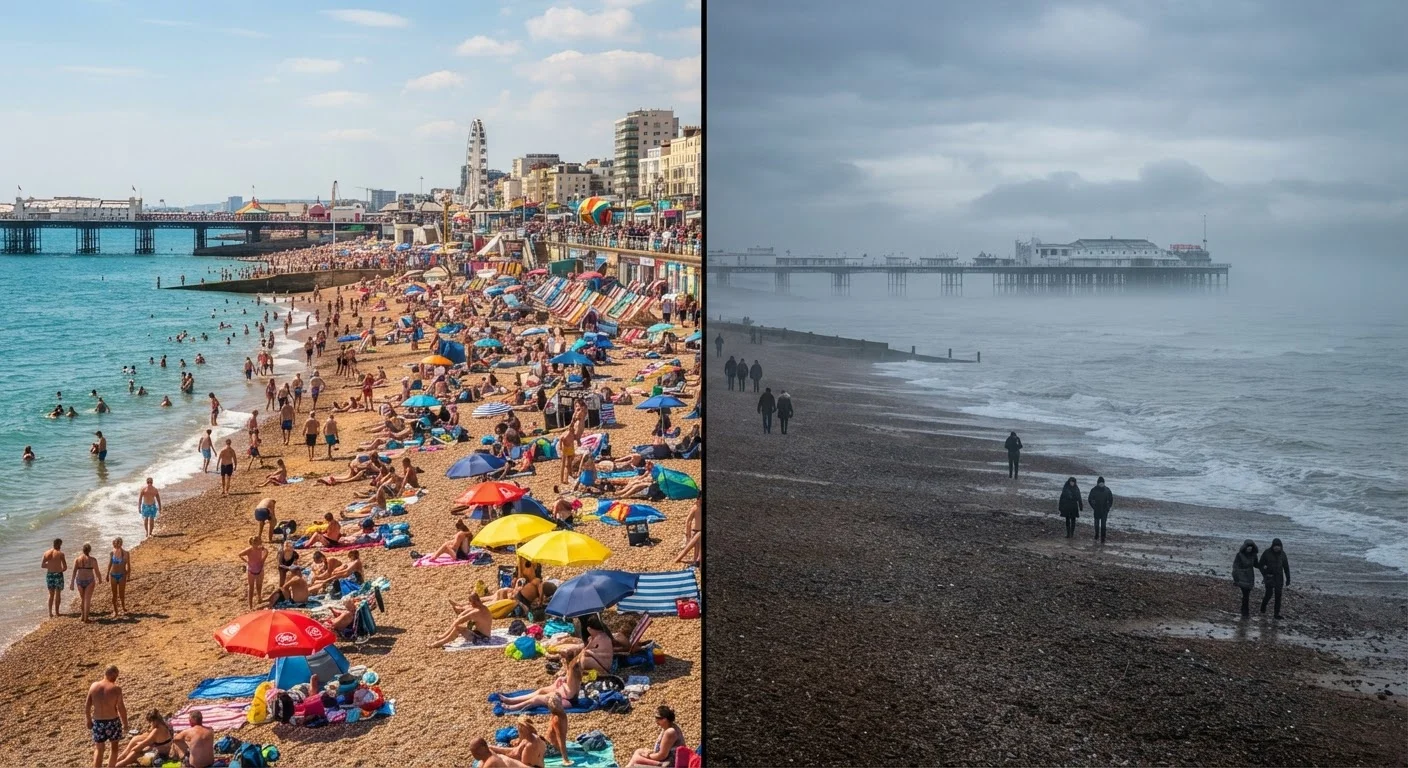
Peak season also means other travelers, which creates a particular kind of energy. Outdoor markets are buzzing, guided tours depart daily, and cultural events are in full swing. For solo travelers especially, this can ease the social side of a trip in ways that an empty, shuttered shoulder-month simply cannot.
That said, summer at popular national parks is a useful case study in peak-season tradeoffs: trails are accessible and staffed, but timed-entry permits, full parking lots, and crowds at viewpoints are the reality on the ground.
What Off-Season Actually Gives You
Crowds at major sites are unavoidable
The world's most iconic landmarks - from the Amalfi Coast to Yosemite Valley - see their highest visitor numbers in peak season, often creating conditions that diminish the experience significantly.
Some services close or reduce hours in low season
Particularly in resort-driven or coastal destinations, off-season can mean closed restaurants, reduced transportation links, and attractions operating on skeleton schedules or shuttered entirely.
Weather may be genuinely challenging
Off-season doesn't just mean cooler temperatures - it can mean monsoon rains, hurricane risk, heavy snowfall, or extreme heat depending on the destination and the specific window.
Fewer spontaneous social opportunities
In quiet periods, guided tours may not run below minimum passenger numbers, and the general scarcity of fellow travelers can feel isolating for those who enjoy a social travel experience.
Off-season travel tends to reveal a destination's bones. Without the scaffolding of tourist infrastructure propping everything up, you see how a place actually operates - local restaurants catering to regulars, shorter lines at museums that would otherwise require timed entry, and a pace that doesn't feel managed. Many experienced travelers describe this as the closest thing to "real" travel they can access without actually living somewhere.
~30%
Typical hotel rate drop in low season
Industry data consistently shows accommodation rates falling 20-35% in low season at leisure destinations, though exact figures vary widely by market and property type.
3-5×
Peak-season visitor surge at top US parks
The National Park Service reports that parks like Zion, Yellowstone, and Glacier see visitor volumes three to five times higher in July than in equivalent winter months.
Practically speaking, lower demand translates to more negotiating room on accommodations, often better service at restaurants because staff aren't overwhelmed, and the ability to change plans last-minute without penalty. Booking flexibility in low season is frequently undervalued - the ability to extend a stay or pivot to a different town can reshape a trip entirely.
The risks are real, though. Some coastal or mountain destinations shutter significantly: restaurants close for staff holidays, boat tours stop running, and certain hiking routes become inaccessible due to weather. Research what specifically remains open - not just the broad category of "the destination."
Shoulder Season: The Quiet Middle Ground
How to Identify Shoulder Season for Any Destination
Shoulder season varies by location and doesn't follow a universal calendar. A reliable method is to check a destination's monthly visitor statistics - available from most national tourism boards - and look for the months just before and after the peak spike. Local travel blogs written by residents are also a valuable resource for understanding what actually remains open versus what the tourism board claims is available.
If peak season is too crowded and full off-season carries too much uncertainty, shoulder season - typically the four to six weeks on either side of the peak window - is worth serious consideration. Weather is often nearly as good as high season, major attractions remain open, and crowds thin noticeably. Prices for flights and accommodation generally drop without the service gaps of deep off-season.
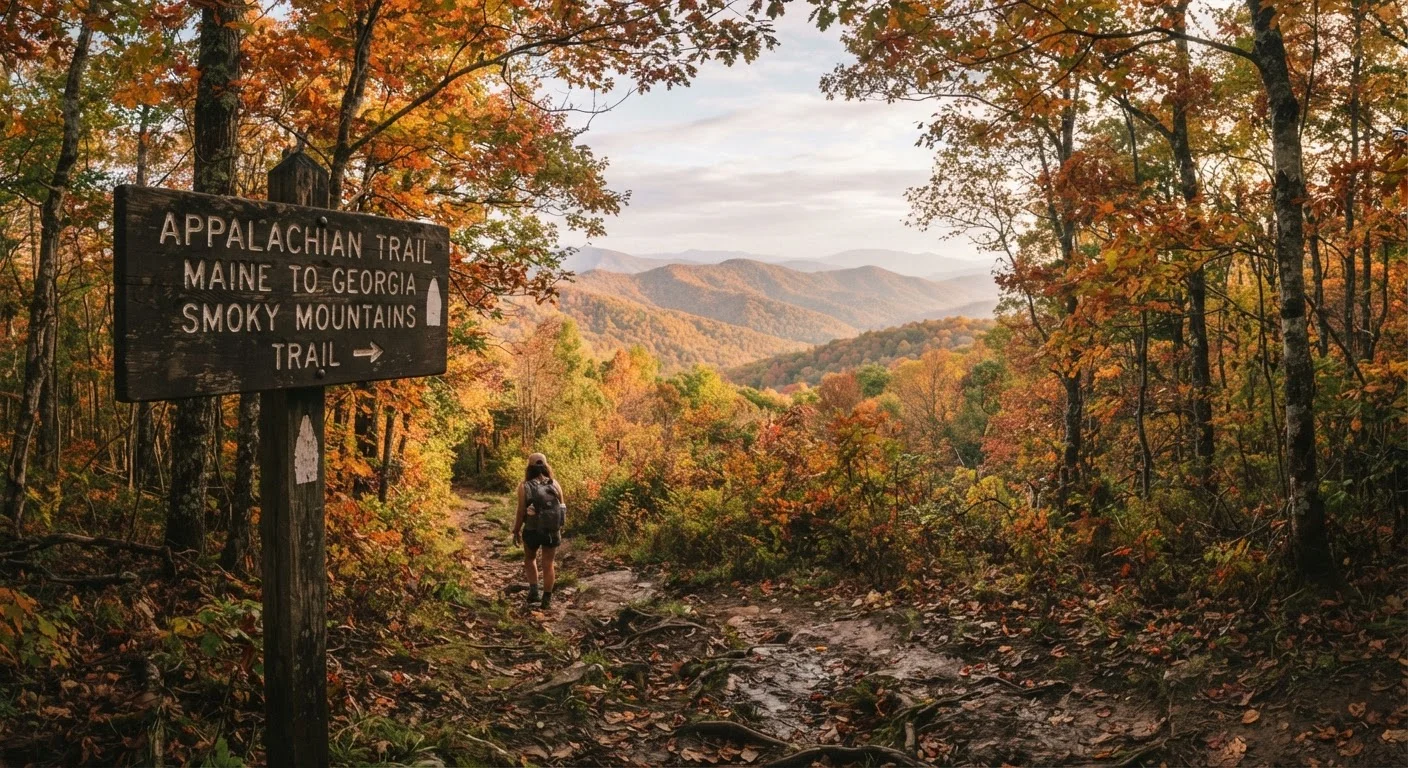
Within the United States, certain destinations genuinely shine in shoulder months - think New England in early October or the Southwest in late April. These windows offer comfortable conditions and a version of the destination that most summer visitors simply never see.
When weighing an itinerary that spans multiple countries, timing complexity multiplies. Multi-destination itineraries add the challenge of juggling different seasonal windows simultaneously - one country may be in peak while another is entering monsoon season.
Making the Call for Your Trip
The honest answer is that there is no objectively correct time to travel - only times that align more or less well with what you're trying to get out of a trip. A family with two school-aged children doesn't have the luxury of choosing October over July. A retired couple with total schedule flexibility does. Start from your constraints, then optimize within them.
A few practical questions can clarify the decision: Does the destination have a weather window that's genuinely dangerous or unpleasant to visit outside of? Are there specific experiences - a festival, a wildlife migration, a hiking season - that only exist at certain times? How much does crowd tolerance factor into your enjoyment? And how much schedule flexibility do you actually have?
International travel adds another layer: entry requirements, visa processing times, and local event calendars all interact with seasonal timing in ways that domestic trips don't demand. Always verify current conditions with official government and destination sources before booking, as these details shift.
Whatever timing you choose, the goal is alignment: between the destination's seasonal character and what you're genuinely hoping to experience when you arrive.