Why Desert Travel Demands a Different Kind of Preparation
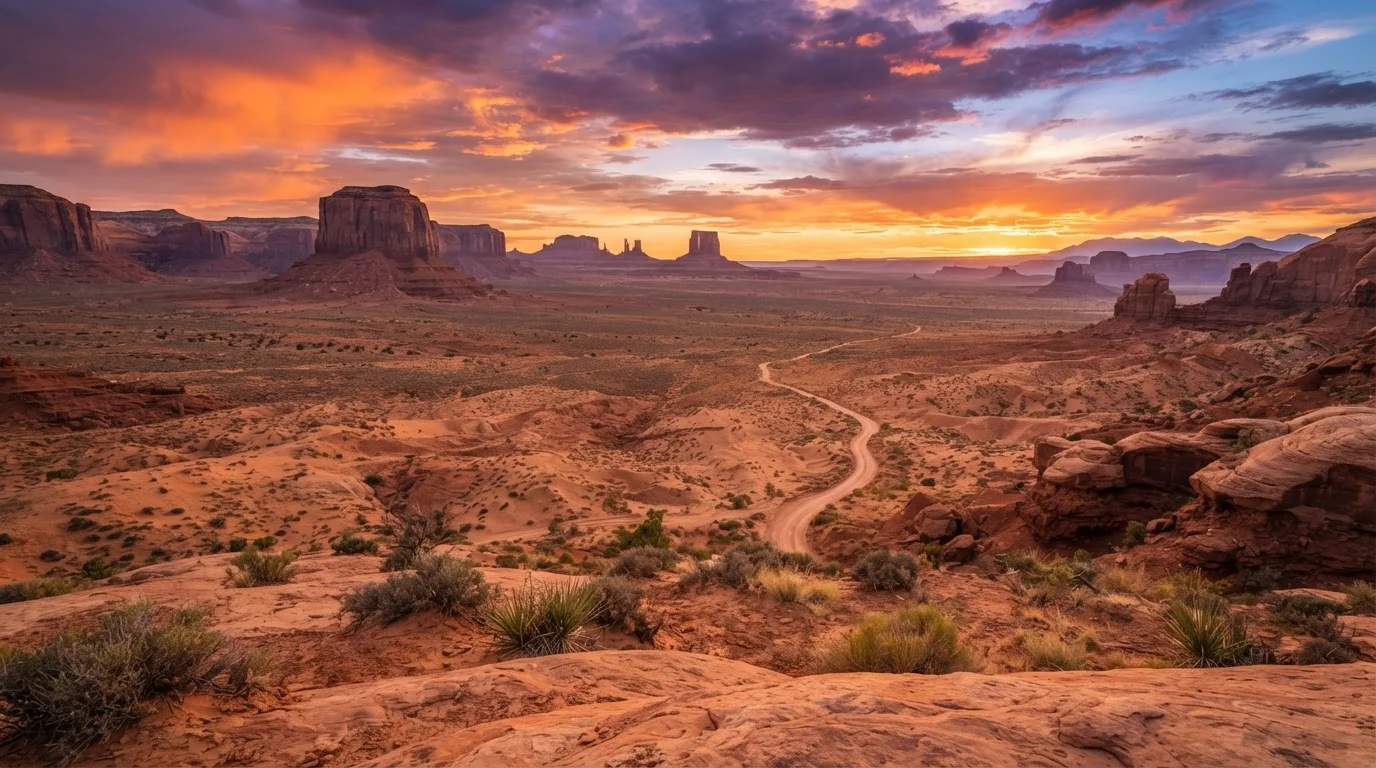
America's desert regions - from the Sonoran and Mojave to the Colorado Plateau and the Chihuahuan - are among the most spectacular landscapes on the continent. They're also among the most unforgiving. The combination of extreme heat, scarce water, limited cell coverage, and long distances between services creates a risk profile that separates desert travel from almost any other kind of trip.
The consequences of poor preparation escalate fast. A vehicle breakdown 40 miles from the nearest town, or a midday hike underway without enough water, can become a genuine emergency within hours. Yet thousands of visitors explore these places safely every year - because they treat preparation as part of the adventure, not a bureaucratic chore.
This checklist is built for anyone planning to visit well-known desert destinations like Joshua Tree National Park, Saguaro National Park, Death Valley, Big Bend, Arches, or Zion's canyon backcountry. Whether you're day-tripping or spending a week, the items here are designed to be completed before you leave home. For your vehicle specifically, pair this with our vehicle readiness checklist to make sure you're road-ready before you even reach the park entrance.
Flash Floods Are a Year-Round Hazard
Desert slot canyons and washes can flood violently from storms occurring miles away - storms you may not see or hear. Before any canyon hike, check the weather forecast for the entire watershed, not just your immediate location. Never camp in a dry wash or enter a slot canyon if storms are in the forecast. Check with park rangers for current flash flood risk before setting out.
Tools and Resources You'll Want Before You Go
Preparation for desert travel relies less on specialized equipment than on good judgment - but a few tools make the process significantly smoother.
Recreation.gov account
Needed to book advance reservations and permits for national parks and federal recreation areas.
Offline mapping app (e.g., maps downloaded to your phone)
Provides reliable navigation when cell service drops out on remote desert roads and trails.
Satellite communicator or personal locator beacon
Enables two-way messaging or emergency SOS signaling in areas with no cell coverage.
Insulated hydration pack or large water bottles
Keeps water cool and accessible during hikes; essential for meeting per-hour hydration targets.
Water filter or purification tablets
Allows safe use of natural water sources if you run low during backcountry travel.
National Park Service website / official park app
Provides current conditions, closures, permit requirements, and safety advisories directly from the source.
Your Pre-Trip Desert Preparation Checklist
Work through these items in the days leading up to your departure. The checklist is organized by category so you can tackle one area at a time rather than jumping between logistics, gear, and safety in a single sitting. If you want a broader pre-trip framework for any destination, the checklist seasoned travelers rely on is a strong complement to what follows here.
Permits & Reservations
Water & Hydration Planning
Heat Safety & Health
Navigation & Communication
Vehicle & Road Readiness
Never Hike Alone Without Telling Someone
Search and rescue operations in remote desert areas can take many hours to reach a person in distress. Always leave a detailed trip plan - including trailhead location, planned route, and expected return time - with a trusted contact who knows to call for help if you don't check in. This single habit is credited by search and rescue professionals as one of the most effective safety measures for wilderness travel.
A Word on Permits and Seasonal Timing
One of the most common surprises for first-time desert visitors is just how far in advance some permits sell out. Coyote Buttes (home of The Wave in Arizona), certain Zion backcountry zones, and backcountry sites at Death Valley all require permits secured weeks or even months ahead through recreation.gov or individual park lottery systems. Showing up without one can mean turning around entirely.
Timing also matters enormously. Summer temperatures in Death Valley can exceed 120°F in the shade - conditions that the National Park Service actively advises against for strenuous hiking. Many experienced desert travelers visit high-elevation desert regions like Bryce Canyon or the Grand Canyon's North Rim in summer, and shift lower-elevation destinations to spring (March-May) or fall (September-November). If you're weighing destinations, the seasonal dynamics of a desert trip differ sharply from a coastal drive like the Pacific Coast Highway - where summer is typically ideal.
Whatever your destination, verify all entry requirements, permit systems, and any active fire or flash flood advisories through the official National Park Service website or relevant land management agency before you finalize your plans. Conditions and policies change, and published third-party summaries can be outdated.
This article is for general informational and planning purposes. Always verify current conditions, entry requirements, and safety advisories through official government and park sources before traveling. In a medical emergency, call 911 or contact park rangers immediately.