More Than Staying Alert
Most drivers think of defensive driving as simply "paying attention." In reality, it is a structured approach to operating a vehicle that treats every trip as a managed risk, not a routine task. The core idea is that you cannot fully control road conditions, weather, or other drivers - but you can control your preparation, positioning, and response time.
The National Safety Council describes defensive driving as driving to save lives, time, and money, regardless of the conditions around you. That framing matters: it shifts responsibility from outside factors to the driver's own decision-making. A defensive driver doesn't just avoid breaking laws - they actively create safety margins that absorb other people's mistakes.
Distraction behind the wheel is one of the primary threats defensive driving addresses - and it isn't limited to phones. Cognitive distraction, like mentally rehearsing a conversation while driving, can reduce situational awareness just as much as looking away from the road.
The Four Pillars of Defensive Driving
Defensive driving can be broken into four practical principles that apply on every type of road:
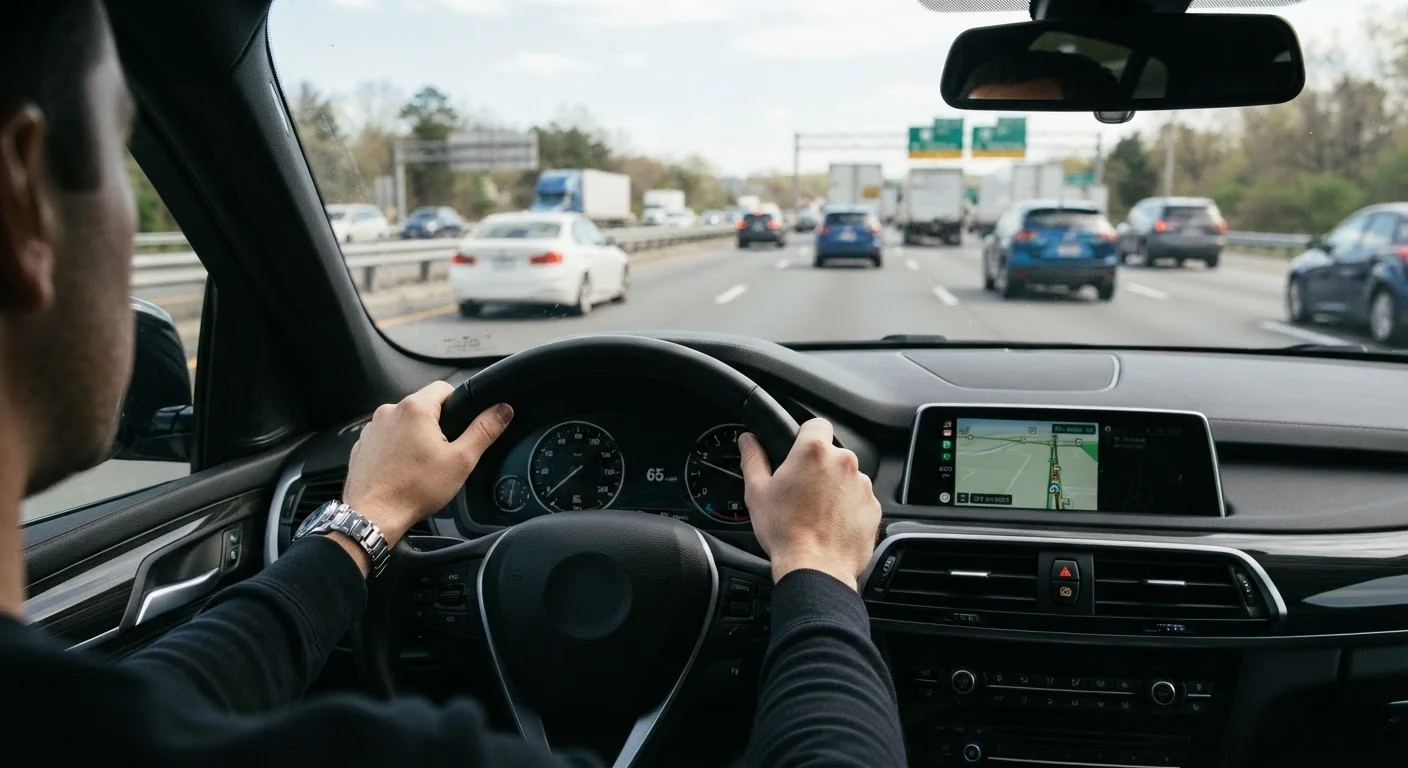
- Scan ahead, not just in front. Most drivers focus on the vehicle immediately ahead. Defensive drivers look 10-15 seconds down the road - roughly a city block at urban speeds - to identify merging traffic, brake lights, or road hazards early enough to respond without urgency.
- Manage your following distance. The three-second rule is the baseline: maintain at least three seconds of gap between you and the vehicle ahead. In rain, fog, or on gravel, extend that to four or more seconds. This single habit prevents a large share of rear-end collisions.
- Control your speed for conditions. The posted speed limit is a legal maximum, not a guaranteed safe speed. Wet roads, heavy traffic, reduced visibility, and fatigue all call for lower speeds than conditions technically allow.
- Anticipate others' errors. Assume the car approaching a stop sign might not stop. Assume a merging driver hasn't seen you. Positioning yourself to have an escape route - an open lane, a shoulder, extra space - is what separates defensive technique from passive driving.
Practice the Commentary Drive Technique
One training method used in advanced driver programs is the 'commentary drive': narrate aloud what you observe and anticipate while driving. Saying 'car entering from the right, slowing, checking gap' forces active processing rather than passive observation. Even a few minutes of this practice can sharpen scanning habits noticeably.
Lane positioning is closely tied to these principles. Where you sit within your lane affects your sightlines, your escape options, and how much time you have to react to hazards on either side.
The Role of Vehicle Condition
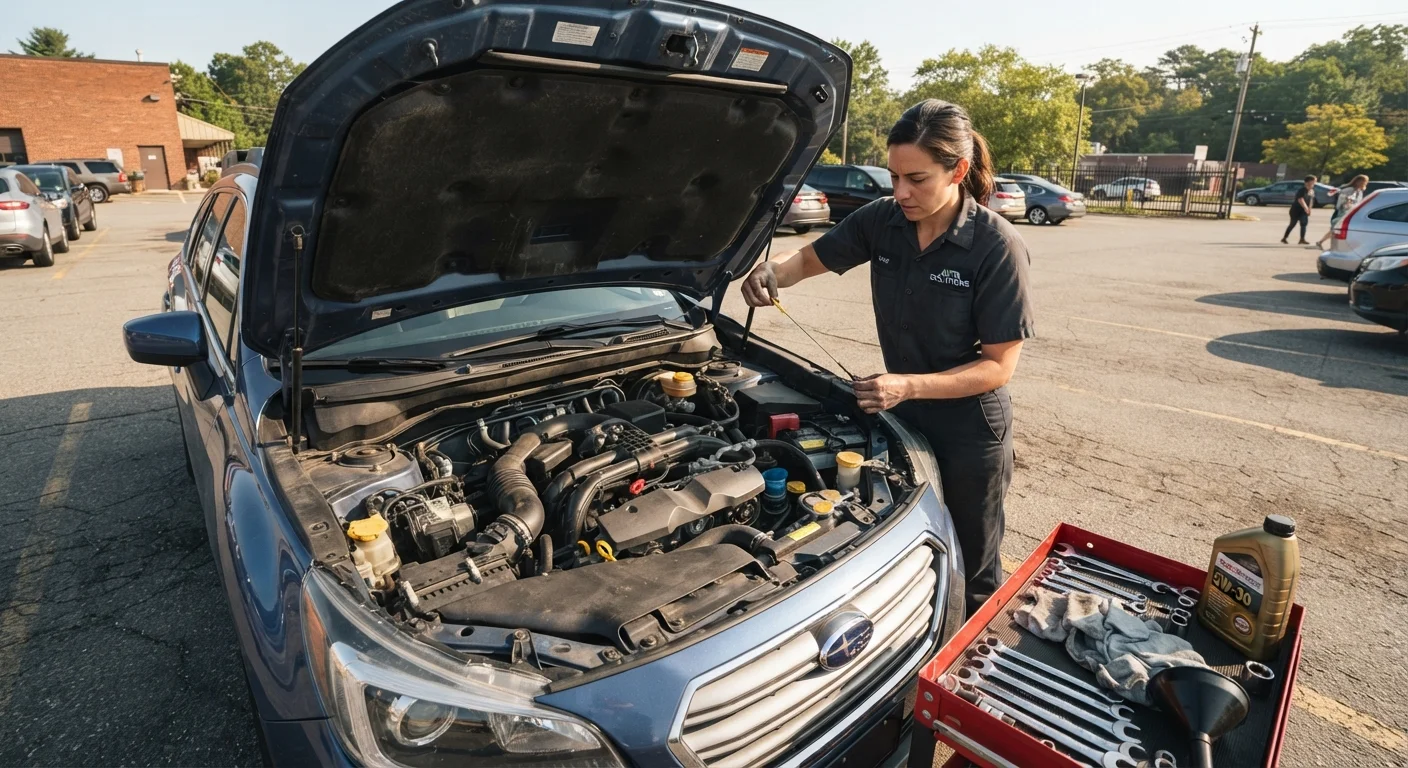
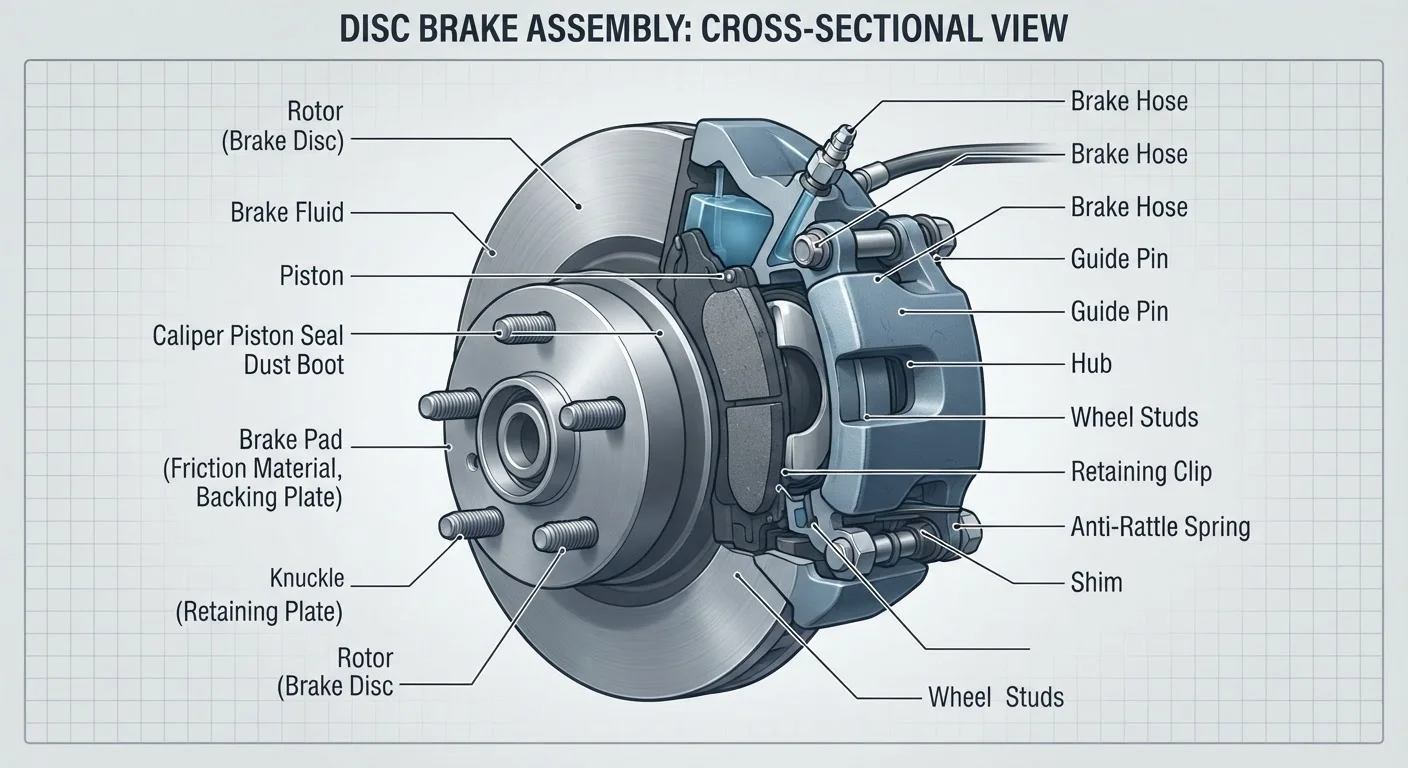
Defensive driving technique is only as effective as the vehicle executing it. Worn tires dramatically extend stopping distances. Degraded brake pads reduce response force. Burned-out lights reduce your visibility to others. None of these failures announce themselves until they matter most.
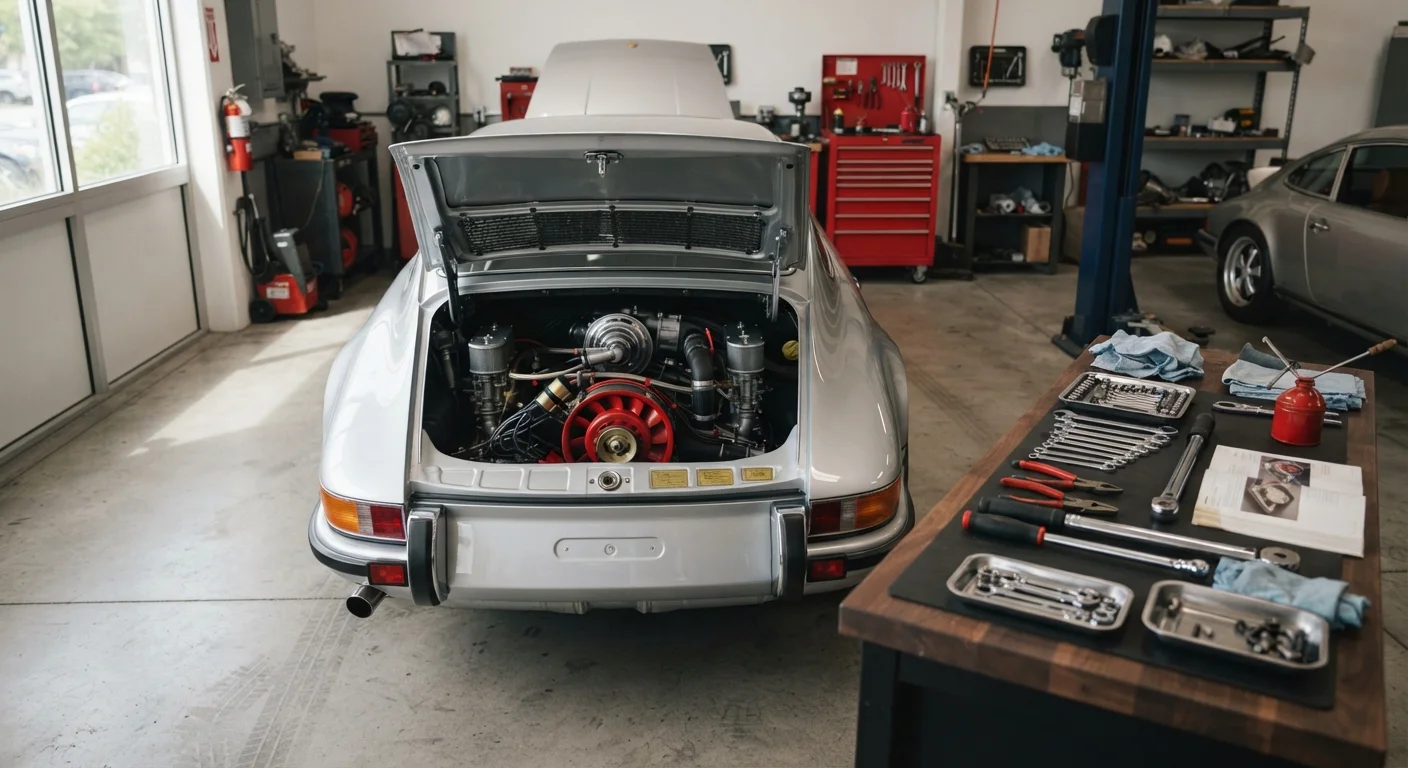
Keeping up with routine vehicle maintenance is a direct extension of defensive driving - not a separate topic. A well-maintained vehicle gives you the full mechanical capability to act on good decision-making. Dashboard warning lights, in particular, should never be ignored. See what your car's warning lights are actually telling you to understand which alerts require immediate attention.
Defensive Driving Course Eligibility Varies
Approved defensive driving courses are offered by organizations like the NSC and AAA, and are available online and in person. Eligibility for insurance discounts or traffic violation point reduction depends on your state's rules and your insurer's policies. Check with your state DMV and insurance provider before enrolling if those benefits are part of your motivation.
Human Factors: The Hazard Inside the Car
Road conditions and other drivers are external variables. The most controllable risk factor is the driver's own state. Fatigue impairs reaction time in ways that parallel alcohol impairment - yet most drivers overestimate their ability to drive safely when tired. Overconfidence is similarly dangerous; familiarity with a route can reduce the vigilance that route still demands.
Emotional state matters too. Driving while frustrated, anxious, or preoccupied narrows attention and increases the likelihood of aggressive or impulsive decisions. Defensive driving isn't just a physical skill - it requires the self-awareness to recognize when your mental state is compromising your ability to drive safely, and the discipline to act on that recognition.
Risk profiles also change across a driver's life. Safe driving habits evolve from new drivers to older adults, and understanding where you are in that spectrum helps calibrate the habits that matter most for your situation.