
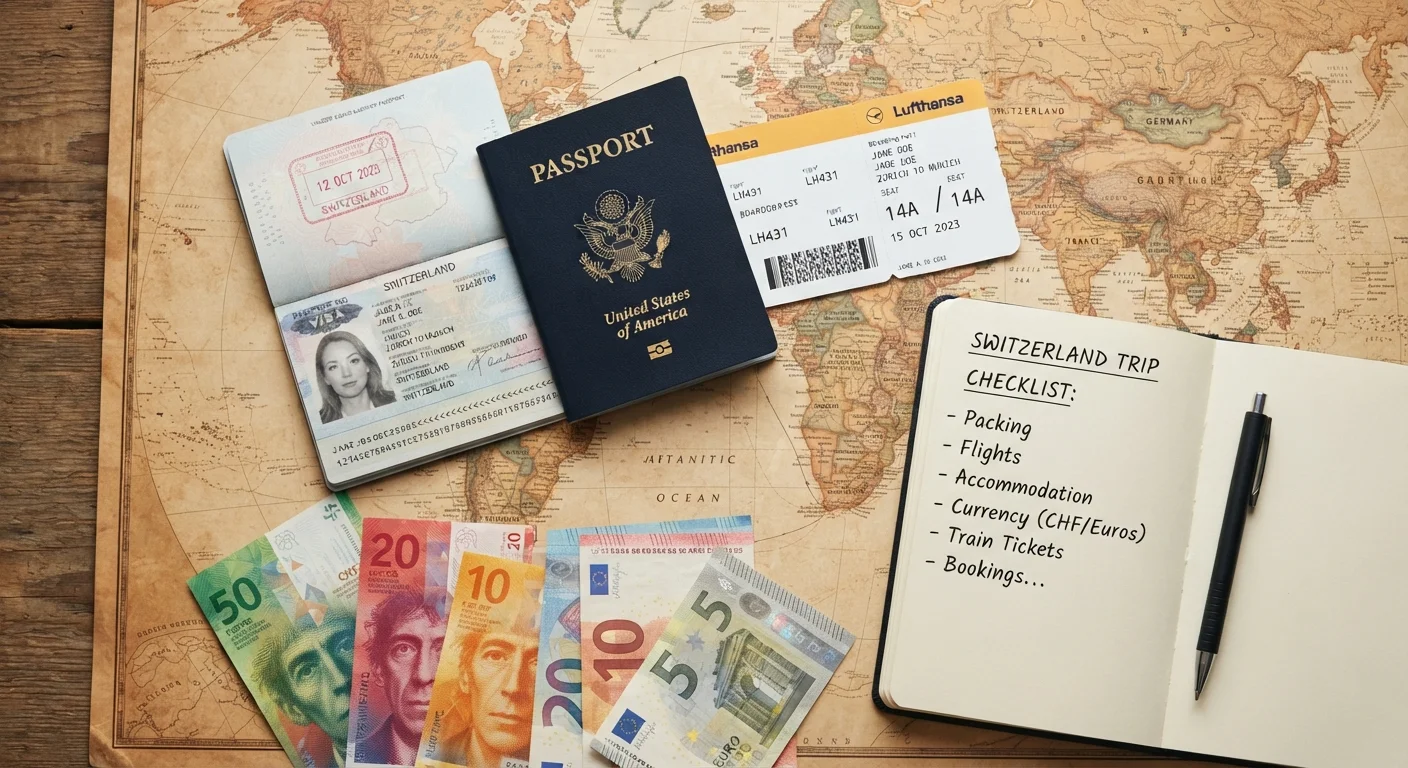
Why International Prep Is Different
Packing a bag for a weekend road trip and preparing for an international flight are fundamentally different undertakings. Cross a border and the consequences of forgetting something - a visa authorization, a required vaccination record, the right adapter - can range from minor inconvenience to a denied boarding pass. The stakes are simply higher.
This checklist is designed to walk you through every major preparation category: documents, health, finances, connectivity, and packing. Think of it as a final audit - something to run through in the days before departure so nothing slips through the cracks. For a broader planning timeline, the International Travel planning reference covers the full arc from booking to re-entry. And if you want a condensed version for general trips, the pre-trip checklist seasoned travelers swear by is a useful companion.
Work through this list at least a week before you fly - several items, especially health-related ones, require lead time you simply can't manufacture at the last minute.
Official Government Travel Advisory Site (travel.state.gov for U.S. travelers)
Check current travel advisories, entry requirements, and visa information for your destination country.
Travel Medicine Clinic
Get destination-specific vaccination recommendations and health guidance from a qualified medical professional.
Secure Cloud Storage
Store digital backups of your passport, visa, insurance policy, and other key documents accessible from anywhere.
Offline Maps App
Download maps for your destination before departure so you can navigate without relying on a data connection.
International SIM or Travel Phone Plan
Maintain reliable phone and data access abroad without incurring excessive roaming charges.
The Full International Prep Checklist
The items below are organized into logical stages, from the hardest-to-replace documents down to the details that smooth out your first hours abroad. Priority levels reflect how much disruption a gap in that area could cause.
Documents & Entry Requirements
Health & Medical Preparation
Travel Insurance
Finances & Money Access
Connectivity & Digital Safety
Packing & Luggage
Entry Requirements Can Change Without Notice
Visa rules, vaccination requirements, and travel advisories can shift quickly - sometimes in the weeks before you depart. Never rely solely on a travel blog or a friend's past experience for entry requirements. Always verify current rules through your government's official travel advisory portal (for U.S. travelers, that's travel.state.gov) and the destination country's official embassy or consulate website.
When it comes to finances specifically, the guide to keeping your finances intact while traveling covers foreign transaction fees, ATM strategies, and travel notifications in detail. And before you zip up the bag, it's worth reading about how travelers underestimate what they're carrying - overpacking is one of the most common and fixable pre-trip mistakes.
For a deeper look at what happens when you actually reach the border - customs forms, biometric checks, connecting flights through foreign airports - the hidden friction points of crossing international borders is worth reviewing before you go.
This article provides general travel information and education. Entry requirements, health regulations, and travel advisories change frequently - always verify current requirements with official government sources and your healthcare provider before traveling internationally.