Why Fall Cleanup Decisions Matter More Than You Might Think
The impulse to tidy everything up before winter is understandable - a clean garden feels like a garden under control. But fall cleanup isn't one-size-fits-all, and the choices you make now have real consequences for soil health, wildlife habitat, and how well your plants come back next spring.
Research from entomologists and ecologists has made clear that leaving some plant material standing through winter is one of the most impactful things a home gardener can do for native bee and beneficial insect populations. Many species of native bees don't live in hives - they lay eggs inside hollow plant stems or in the leaf litter on the ground. Clear all of that away in October and you've removed next year's pollinators before they ever had a chance.
At the same time, diseased debris left in place can harbor fungal spores and pest eggs that come back stronger in spring. The goal isn't to do less - it's to be deliberate about what you clear and what you leave.
Resist the Urge to Clear Everything
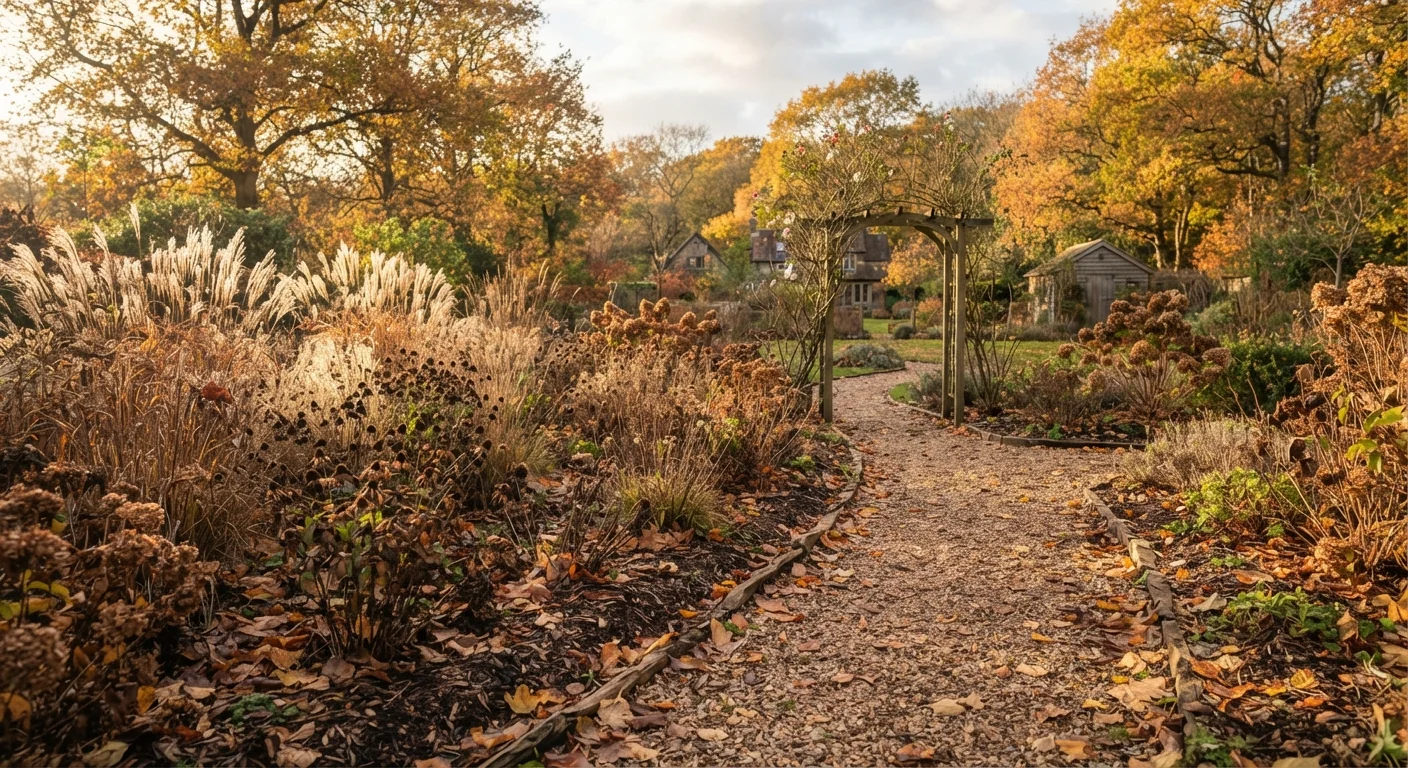
A fully bare garden bed in fall may look tidy, but it can actually set your garden back. Many native bees overwinter inside hollow plant stems or in undisturbed leaf litter, and removing all of this habitat eliminates beneficial insects before spring. Leave a meaningful portion of your garden standing - especially native and pollinator-supporting plants - and hold off on a full cutback until temperatures have been consistently above 50°F in spring.
If you're also thinking about how your bed layout affects maintenance through the seasons, our guide on raised beds vs. in-ground planting can help you plan smarter for next year.
Tools You'll Need for a Smart Fall Cleanup
Having the right tools on hand makes the work faster and reduces the risk of damaging plant crowns or soil structure. Gather your equipment before you start so you're not stopping mid-task.
Pruning shears
Cutting back perennial stems and removing diseased or spent plant material cleanly.
Loppers
Cutting thicker woody stems on shrubs and ornamental grasses too large for hand shears.
Garden fork or spade
Turning compost into vegetable beds and loosening soil for bulb planting.
Leaf rake
Gathering fallen leaves efficiently from lawn areas and garden paths.
Compost bin or pile
Recycling healthy plant debris into nutrient-rich organic matter for spring use.
Mulch (shredded bark or leaf mold)
Insulating garden beds after cleanup to protect roots and reduce weed pressure.
Soil test kit or extension service submission
Identifying nutrient gaps and pH imbalances so you can amend beds over winter.
Clean your tools as you go - wiping blades with a diluted bleach solution between plants reduces the chance of spreading disease from one part of the garden to another. Before storing tools for winter, oil metal parts lightly to prevent rust.
The Fall Garden Cleanup Checklist
Use this checklist as a walk-through guide for your garden beds, lawn edges, and equipment storage. Work through each category in sequence - clearing problematic material first, then assessing what to preserve, before moving on to soil prep and equipment storage.
What to Clear Away
What to Leave Standing
Soil and Bed Preparation
Tools and Garden Equipment
Never Compost Diseased Plant Material
Adding diseased stems, leaves, or fruit to your compost pile risks spreading pathogens back into garden beds when you use the finished compost. Bag all visibly infected material and place it in the trash. When in doubt, throw it out - healthy compost starts with healthy inputs. See our composting guide for more on building a safe, productive pile.
Invasive Plants Need Full Removal
Some plants that look harmless in fall - including certain vines, grasses, and shrubs - are classified as invasive in parts of the U.S. and can spread aggressively from seeds or root fragments left in the garden. Check your state or county extension office's invasive species list before deciding what to leave in place.
Putting Your Garden Beds to Rest the Right Way
Once you've worked through the checklist, two final steps will make a meaningful difference come spring. First, add compost or organic matter to cleared vegetable beds now. It will have months to break down and integrate into the soil before you plant again. Our guide to composting at home covers exactly how to build and maintain a productive pile through the colder months.
Second, mulch your perennial beds. A 2-3 inch layer of shredded bark, leaf mold, or straw acts as an insulating blanket, keeping soil temperatures more stable and preventing the freeze-thaw cycles that can heave shallow-rooted plants out of the ground. For best results, apply mulch after the soil has started to cool but before a hard freeze sets in. Learn more about timing and technique in our mulching guide.
For a broader view of how fall garden tasks fit into the full year of outdoor maintenance, the season-by-season lawn care calendar is a useful reference to keep bookmarked. And if you're dealing with a lot of weeds going into winter, non-chemical weed management strategies can help you get ahead of the problem without reaching for herbicides.
A thoughtful fall garden sets the stage for an easier, more productive spring - and takes far less work to undo than a garden that was either neglected or over-cleared.