What Makes a Plant 'Native' or 'Exotic'?
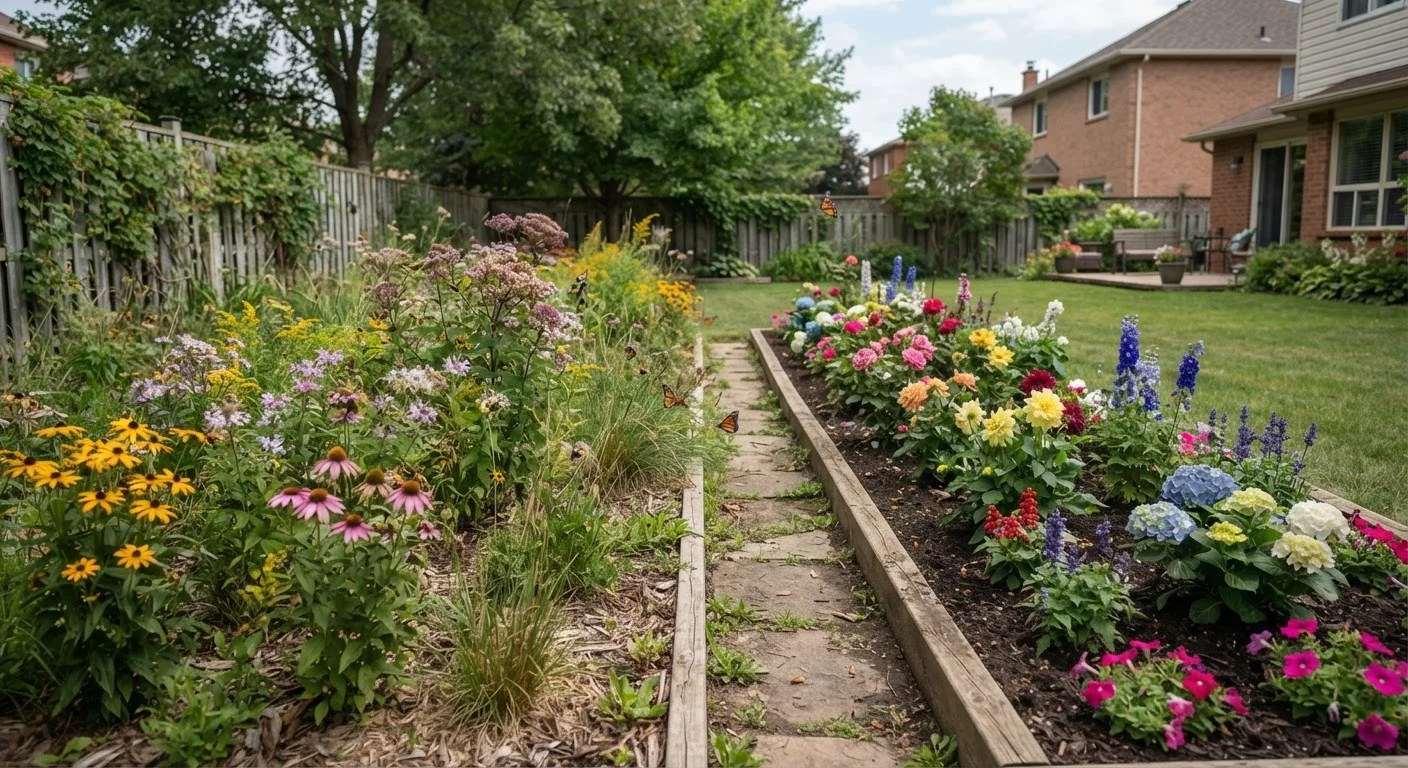
A native plant is one that evolved naturally in a specific region over thousands of years - without human introduction. These plants developed alongside local insects, birds, soil microbes, and climate patterns. In contrast, an ornamental exotic (also called a non-native or introduced plant) originated elsewhere and was brought to a new region, usually for aesthetic, culinary, or agricultural purposes.
It's worth noting that "native" is always regional. A plant native to the Southeast isn't necessarily native to the Pacific Northwest. This distinction matters enormously when you're deciding what to grow, because a plant's origins shape how it behaves in your yard - for better or worse. Understanding this framing is the first step toward making intentional planting decisions.
Where Native Plants Have a Clear Edge
Once established, native plants are generally well-matched to local rainfall patterns, soil composition, and temperature swings. This translates to real-world benefits:
- Lower water needs: Natives are typically adapted to regional precipitation cycles, meaning less supplemental irrigation once their root systems are established - usually after one to two growing seasons.
- Fewer inputs: Because they've evolved in local soil conditions, many natives don't require fertilizers or soil amendments to thrive.
- Wildlife support: Native plants co-evolved with local insects and birds. Native oaks, for example, support hundreds of caterpillar species that are critical food sources for nesting birds - a relationship that ornamental exotics usually can't replicate.
- Lower weed pressure over time: A well-established native planting can form dense, self-sustaining communities that naturally suppress weeds. Our guide on managing weeds without herbicides covers complementary strategies that pair well with native plantings.
Start With One Native Per Season
If you're new to native plants, try replacing one ornamental at a time rather than overhauling your whole yard. This gives you a chance to learn how each native performs in your specific soil and light conditions before committing to a larger planting. Local native plant sales - often hosted by botanical gardens or native plant societies - are a great low-cost way to experiment.
That said, natives are not zero-maintenance. They need watering and weed control in their first year or two, and some natives can spread aggressively in ideal conditions - which may not be what you want in a tidy flower bed.
Where Ornamental Exotics Hold Their Own
Non-native plants haven't dominated American gardens for decades by accident. They offer genuine appeal that natives sometimes can't match:
- Extended bloom seasons: Many ornamentals - crape myrtles, dahlias, Japanese maples - offer prolonged or late-season interest that's harder to achieve with regionally native alternatives.
- Design flexibility: Exotics are often bred for specific colors, forms, or sizes, giving gardeners more control over the aesthetic of a space.
- Availability: Non-natives are widely available at most garden centers and are generally easier to source than regionally native plants.
The critical caveat: not all exotic plants behave the same way. Many non-natives are perfectly well-behaved and stay where you put them. Others - like certain varieties of Japanese barberry or English ivy - have escaped cultivation and spread into natural areas, displacing native species. Before adding any new plant, it's worth checking your state's invasive species list, which is typically maintained by your state's department of agriculture or a university extension service.
| Native Plants | Ornamental Exotics | |
|---|---|---|
| Water needs (established) | Low - adapted to local rainfall | Moderate to high - varies by origin |
| Fertilizer requirements | Minimal in matched soil | Often needed for best performance |
| Wildlife value | High - supports local insects, birds | Generally low to moderate |
| Invasive risk | Very low in native range | Varies - some species are high risk |
| Aesthetic variety | Regionally diverse, less curated | Wide variety, bred for visual appeal |
| Nursery availability | Improving, but still limited | Widely available at most garden centers |
| Establishment time | 1-2 seasons to full resilience | Often faster, but less climate-hardy |
The Maintenance Reality for Both
A common misconception is that native plants are always "plant it and forget it" while exotics demand constant attention. The truth is more nuanced and depends heavily on whether you've matched the plant to the right site conditions.
A native plant placed in the wrong light exposure or soil type will struggle just as much as any exotic. Similarly, a well-chosen exotic planted in conditions it naturally enjoys may perform reliably with modest care. Site suitability matters more than origin.
Where natives do reliably save effort is in climate resilience - they're less likely to be killed by a hard freeze or summer drought that catches an exotic off guard. For gardeners working in challenging spots, consider pairing your plant choices with thoughtful mulching. Our article on how to use mulch effectively explains how a good mulch layer benefits both natives and exotics during establishment.
Building a Garden That Draws on Both
For most homeowners, the practical answer isn't an either/or choice. A layered, mixed approach - using natives as the backbone and exotics as accent plants where they make sense - tends to be both ecologically responsible and visually satisfying.
A reasonable starting framework:
- Use native trees, shrubs, and groundcovers to anchor the yard and support local wildlife. Native groundcovers are especially useful in tough spots - see our suggestions on ground covers for struggling grass areas.
- Reserve ornamental exotics for focal points, container plantings, or areas where a specific look is the priority - and verify they aren't invasive in your region first.
- When in doubt, contact your local cooperative extension office or a native plant society. These organizations offer free, regionally accurate guidance that no general article can replace.
Whether you're designing a new bed or reassessing an existing one, the same logic that applies to planting choices also informs seasonal care decisions. Our piece on fall garden cleanup touches on how native and non-native plants differ in their winter management needs.