Why Oil Degradation Is a Bigger Problem Than Most Drivers Realize
Motor oil does more than lubricate moving parts. It also carries heat away from the engine, neutralizes corrosive acids produced by combustion, and suspends microscopic debris until it's captured by the filter. Over time and miles, every one of those functions weakens.
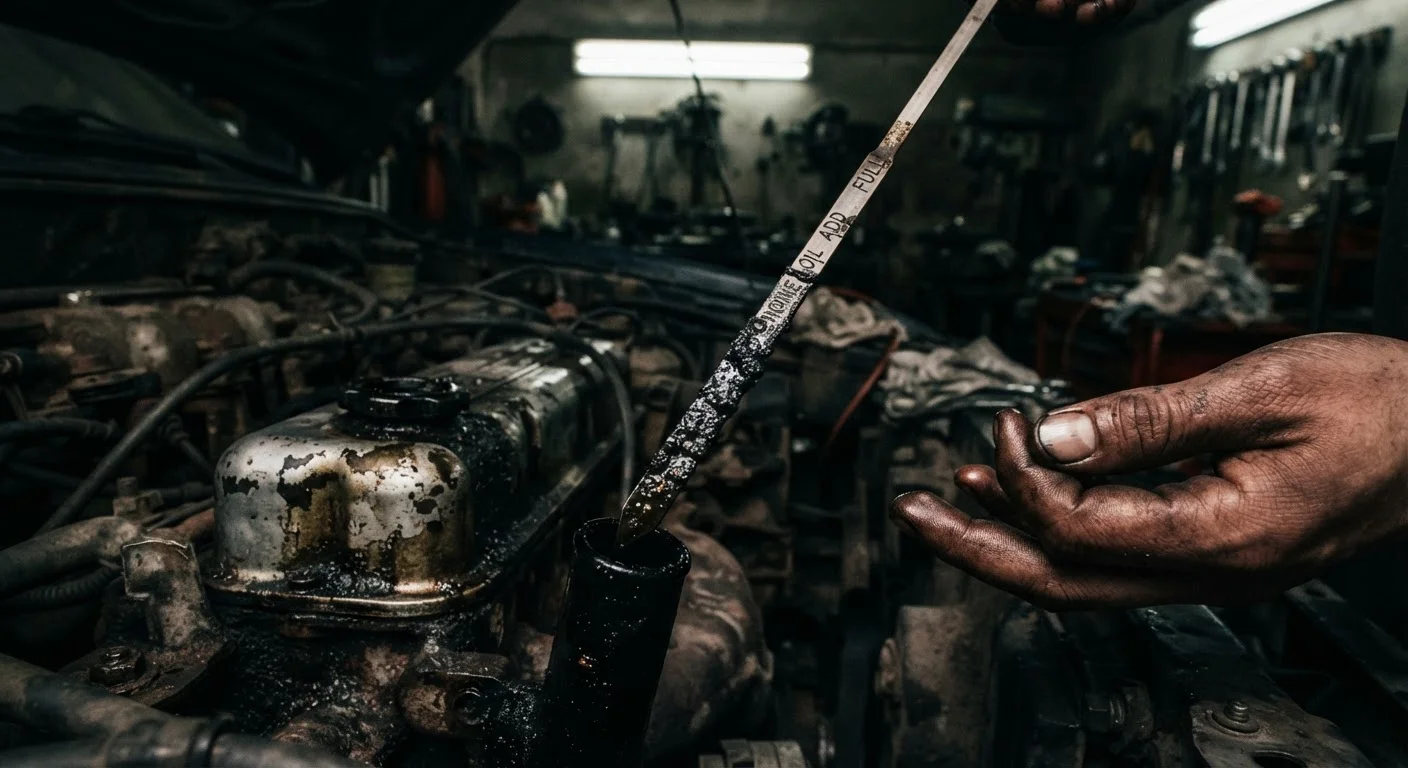
The base oil oxidizes, additives deplete, and the fluid thickens into a sludge that no longer flows efficiently through tight engine passages. At that point, metal components begin contacting each other under load - and wear accelerates rapidly. See our guide to oil change intervals and consequences for a closer look at what the right schedule looks like for your driving habits.
The challenge is that this deterioration happens gradually and mostly out of sight. There's no obvious warning until damage is already significant, which is why regular changes matter far more than reacting to symptoms.
Low Oil Level Is Not the Same as Old Oil
Many drivers top off their oil and assume they're covered, but oil degrades chemically even without being consumed. Additives that fight corrosion and heat break down over time, leaving the engine exposed to damage even if the dipstick reads full. Always follow change intervals, not just the oil level.
The Most Costly Mistakes Drivers Make With Oil Changes
Understanding the specific errors that lead to engine damage - and why they're so common - is the first step toward avoiding them. Most of these mistakes don't stem from carelessness, but from outdated assumptions or misread signals.
Waiting for the oil warning light before scheduling a change.
Why it happens: Many drivers treat the oil pressure warning light as an oil-change reminder, but it typically signals dangerously low oil pressure - not simply that the oil is old.
Assuming extended intervals are safe for all driving conditions.
Why it happens: Automakers sometimes advertise extended oil change intervals that apply only under ideal highway driving conditions, leading owners to apply those figures universally.
Skipping oil changes on older, high-mileage vehicles to save money.
Why it happens: Owners of aging cars sometimes deprioritize maintenance under the assumption that the vehicle is already worn and not worth the investment.
Ignoring the oil filter during a change.
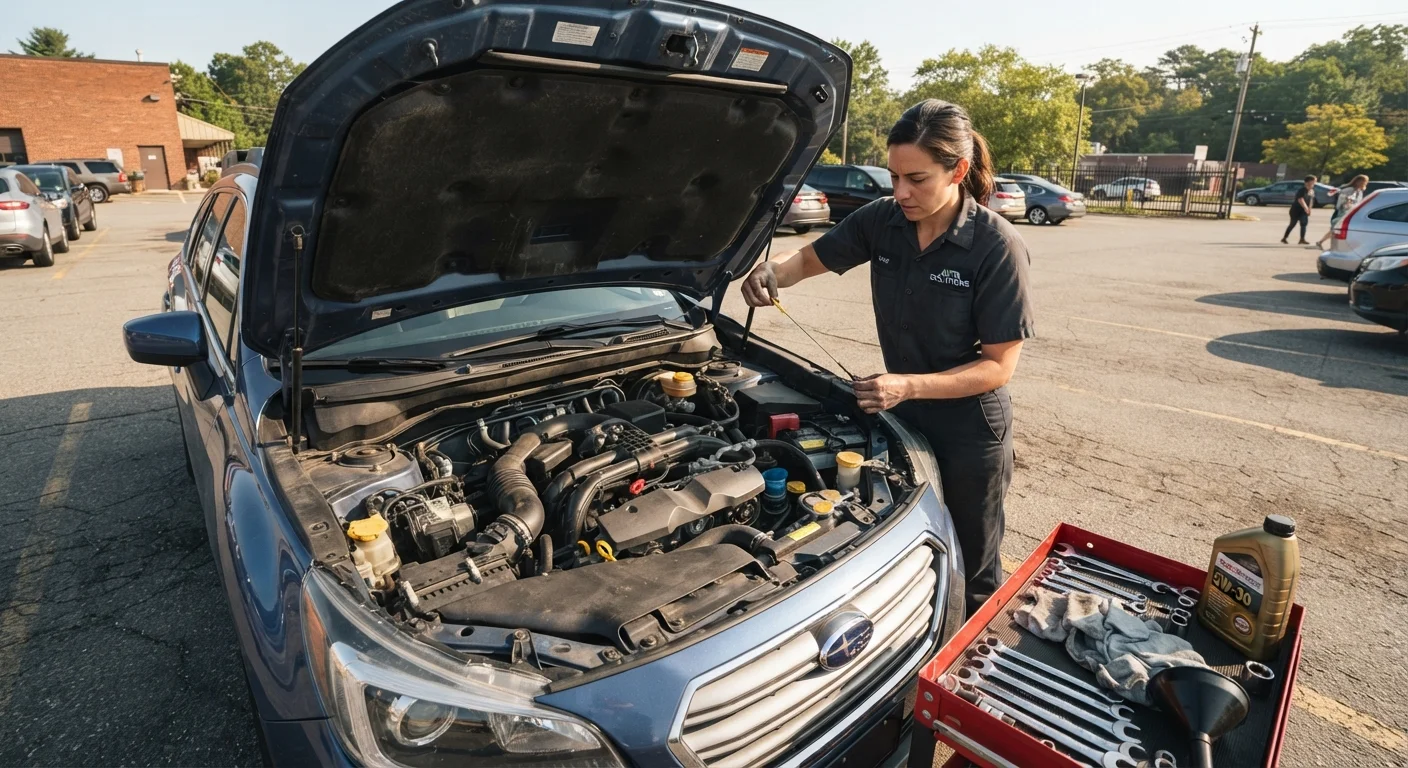
Why it happens: Some DIY oil changers or budget service shops replace oil but leave the old filter in place, assuming it still has useful life.
Using the wrong oil viscosity or specification for your engine.
Why it happens: Drivers sometimes substitute whatever oil is on hand, believing all motor oils perform the same basic function.
For a broader look at how maintenance misconceptions can cost you money, see our article on car maintenance myths that cost drivers money.
The Long-Term Financial Reality of Skipping Oil Changes
Delaying a $50 oil change might feel like savings in the moment, but the downstream costs are rarely proportionate. Sludge buildup can necessitate an engine flush or, in severe cases, cause irreversible bearing damage, scored cylinder walls, or a seized engine.
$5,000+
Average engine repair or replacement cost
Engine failure resulting from lubrication neglect can cost well over $5,000 - compared to roughly $30-$100 for a routine oil change, according to automotive repair industry estimates.
5,000-10,000 mi
Typical oil change interval range
Most manufacturer guidelines for modern vehicles fall within this range, though the specific interval depends on oil type, engine design, and driving conditions.
40%
Of engine wear occurring at startup
A significant share of engine wear happens during cold starts when oil hasn't fully circulated - degraded oil makes this phase substantially more damaging.
Owners of high-mileage vehicles face particular exposure. Engines with significant wear already have tighter tolerances and greater dependence on clean, properly viscous oil. Our guide to keeping a high-mileage car running outlines how maintenance priorities shift as vehicles age.
If you've ever wondered whether synthetic oil justifies the higher upfront cost, conventional vs. synthetic oil explained breaks down when each type makes practical sense. Also worth reviewing: everyday habits that quietly accelerate vehicle wear, including how short trips and stop-and-go driving compound the effects of delayed maintenance.
Engine Failure Is Preventable - But Not Reversible
Once sludge blocks oil passages or metal-on-metal wear scores cylinder walls, no amount of fresh oil can undo the damage. Engine replacement or rebuild costs can run into the thousands. Routine oil changes are among the lowest-cost, highest-impact maintenance tasks any vehicle owner can perform.